Translate lightweight into an application experience
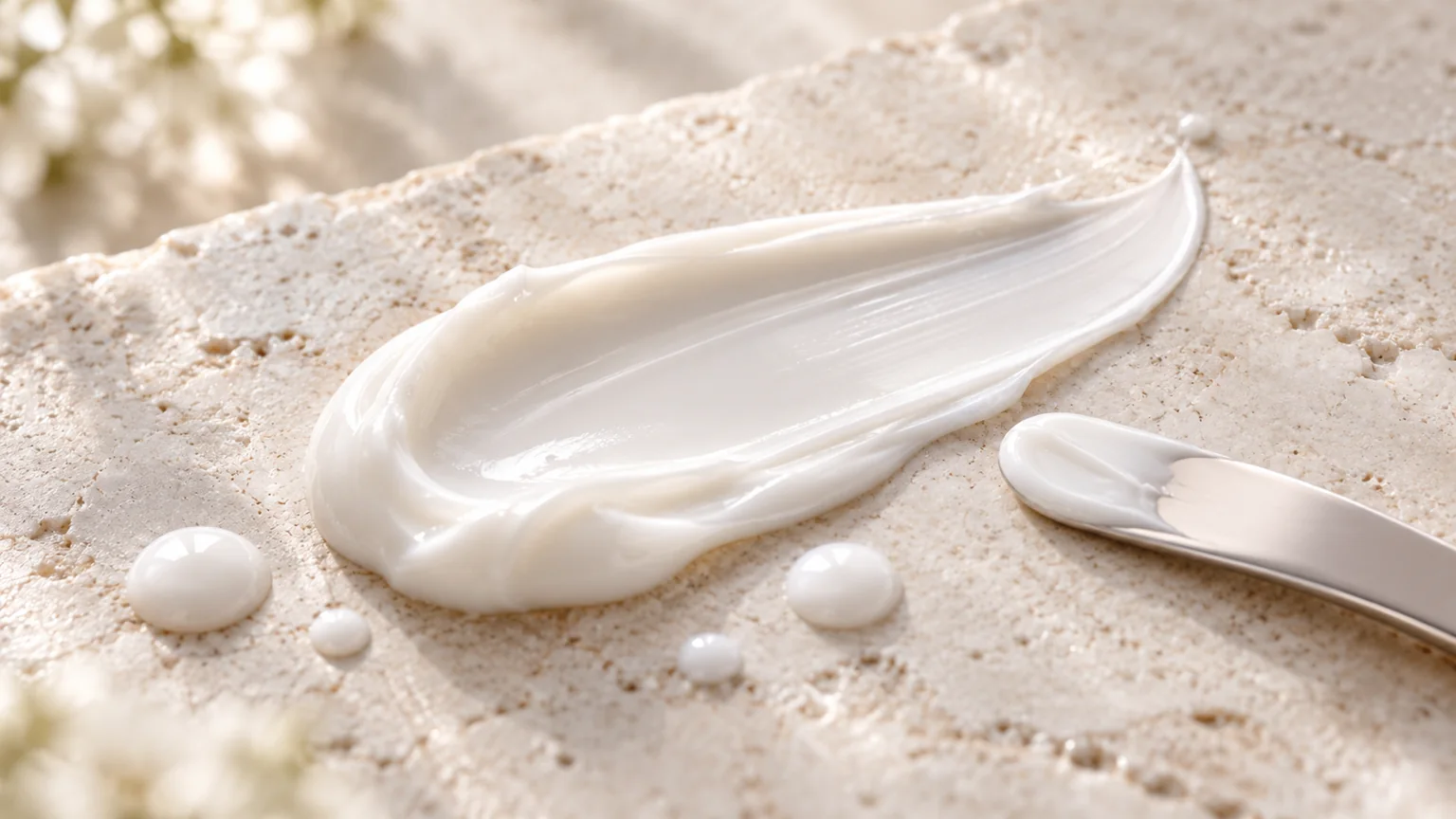
Lightweight can mean low resistance while spreading, a short tacky phase, limited greasy residue or comfortable layering. Ask the brand to rank these properties and identify the intended climate and routine. A transparent gel and an opaque gel cream can both feel light but have different structures and development requirements.
Select reference products for particular characteristics rather than asking a formulator to copy every feature of a competitor. One reference may demonstrate spread and another the desired finish. Record the compromises the brand accepts, including visual appearance, fragrance, cushion and perceived richness.
Consumer descriptions such as fast absorbing should not be treated as analytical measurements of penetration. They can describe a sensory impression. Use language and evidence that match what was actually observed instead of converting disappearance from the surface into an unsupported delivery claim. [2]
Assess the structure of the actual formula
Discuss whether the concept is an aqueous gel, an emulsion structured with polymers or another system. The ingredient list alone may not explain its performance. Material grades, composition and processing can influence the final texture and its response to storage.
A polymer addition may change several properties at once. Higher viscosity does not necessarily deliver the desired cushion, and a lower reading does not prove poor hydration. Compare the relevant flow, pickup and application behavior with a suitable measurement procedure and sensory assessment.
Electrolytes, active blends, solvents and fragrance may affect a particular system. Their influence should be assessed in the actual formula rather than inferred from a universal rule about all gels. Keep revisions documented so a later active addition is not assessed using stability evidence for an earlier base.
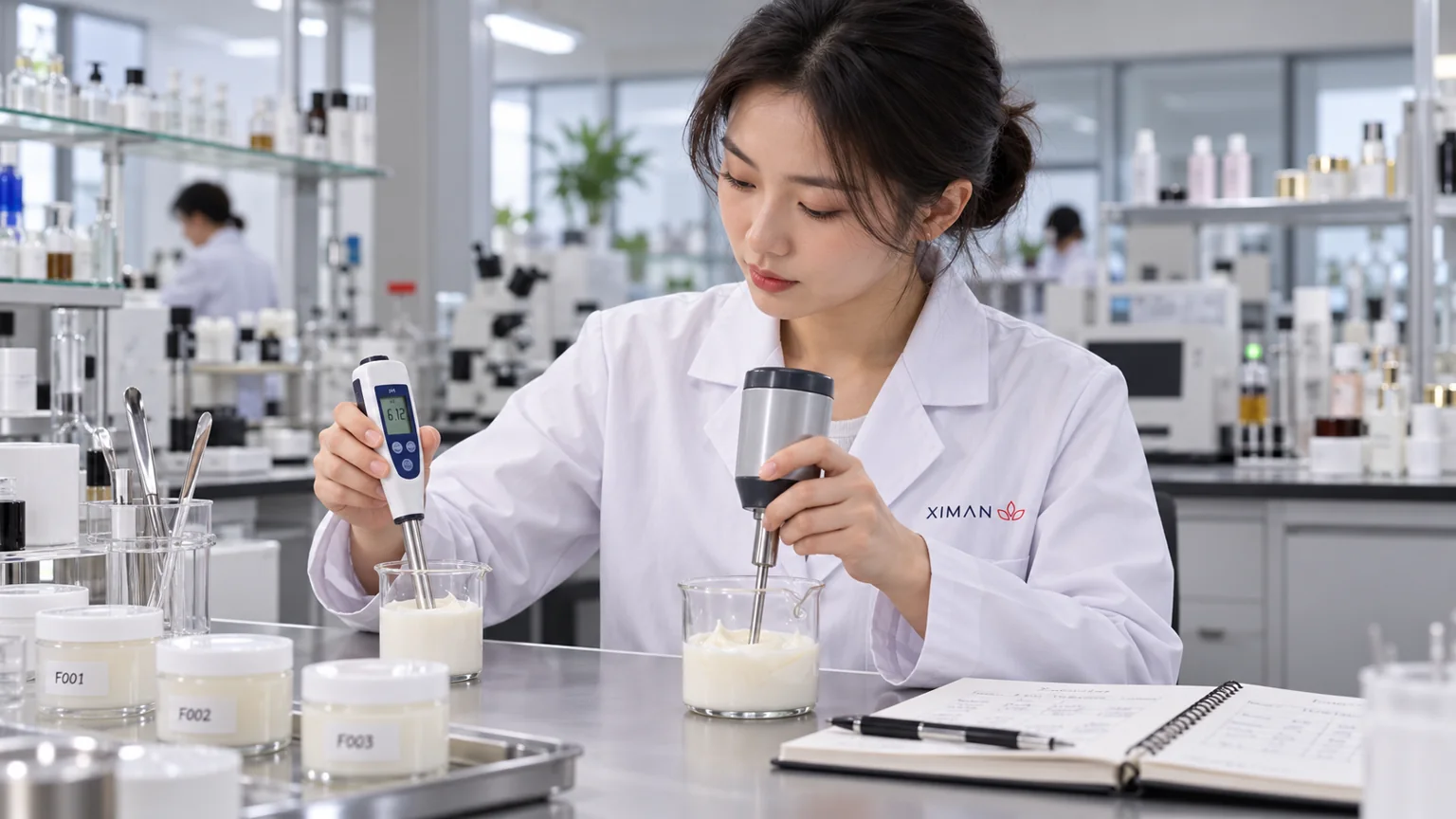
Compare prototypes with controlled doses and routines
Weigh or otherwise control the applied dose when practical. Record the time between application and the next product, ambient conditions and the application sequence. An enthusiastic assessor using twice as much sample can create a different impression of tack or pilling.
| Attribute | More useful observation |
|---|---|
| Spread | Resistance and coverage at a defined dose |
| Tack | Perception at stated times after application |
| Finish | Residue, shine and comfort under the chosen conditions |
| Layering | Results with a consistent representative routine |
| Dispensing | Pickup or output from the actual pack |
Pilling should be investigated as a system effect. Compare the cream alone and then in the intended routine, keeping dose and technique consistent. This can distinguish a product problem from an interaction or excessive application without assigning cause prematurely.
Match hydration evidence to the proposed promise
A sensory panel may prefer a fresh finish while an instrumental study addresses changes in skin hydration. Neither result should be described as the other. If the brand proposes a timed hydration claim, the study should include relevant measurements over the stated period and an appropriate comparator.
A claim about oily-looking skin also needs a clear endpoint. Reduced shine in a standardized observation is different from reducing sebum production. Destination review should assess the exact wording, especially where the marketing language suggests a physiological change.
Ingredient research can inform the concept, but the product still needs a defensible connection to the proposed benefit. Adding a familiar humectant does not independently prove that a finished gel cream delivers a particular duration or magnitude of effect. [2]
Confirm stability and dispensing together
Observe relevant changes in appearance, pH, texture, odor and product protection, with criteria chosen for the actual formulation. FDA notes that cosmetic safety substantiation is not based on a single prescribed universal test list; assessment needs to suit the product. [1]
For a pump, compare startup, consistent output and accessible product. For a jar, assess pickup and changes around the rim during relevant use. A revision intended to reduce tack can also alter dispensing, so the pack should remain part of development feedback.
The approval record should identify the complete formula, sensory reference, pack, routine and claim support. This gives repeat orders a clearer target than the instruction to make a light cream and allows supplier or process changes to be evaluated against the actual experience.
Frequently asked questions
Does a lighter feel mean better hydration? No. Sensory lightness and measured hydration are different outcomes. Assess both if both are part of the product brief.
Is every gel cream a transparent gel? No. The term is used for different cosmetic structures. Clarify the proposed system and desired appearance with the development team.
Can one pilling observation identify the cause? Usually not. Control dose, routine and technique, compare relevant conditions and investigate the complete system before revising the formula.
Project discussion: Give XIMAN your priority texture attributes and layering routine so prototype revisions can be judged against an agreed lightweight moisturizer brief.
Sources & review date
- [1] FDA Product Testing of Cosmetics ↗ · Checked 2026-10-14
- [2] Commission Regulation EU No 655/2013 cosmetic claims ↗ · Checked 2026-10-14
Sources and check dates are listed above; applicability depends on the destination market and product conditions.
Discuss your market and product
Share your destination market, product category, project stage and estimated quantity to plan the next step.