ResourcesInsights into Cosmetics Manufacturing, Skincare OEM/ODM & Private Label Beauty
Explore expert insights into cosmetics manufacturing, skincare formulation, private label beauty, and OEM/ODM production. We share practical knowledge, industry trends, and manufacturing expertise to help beauty brands make informed decisions and bring better products to market.
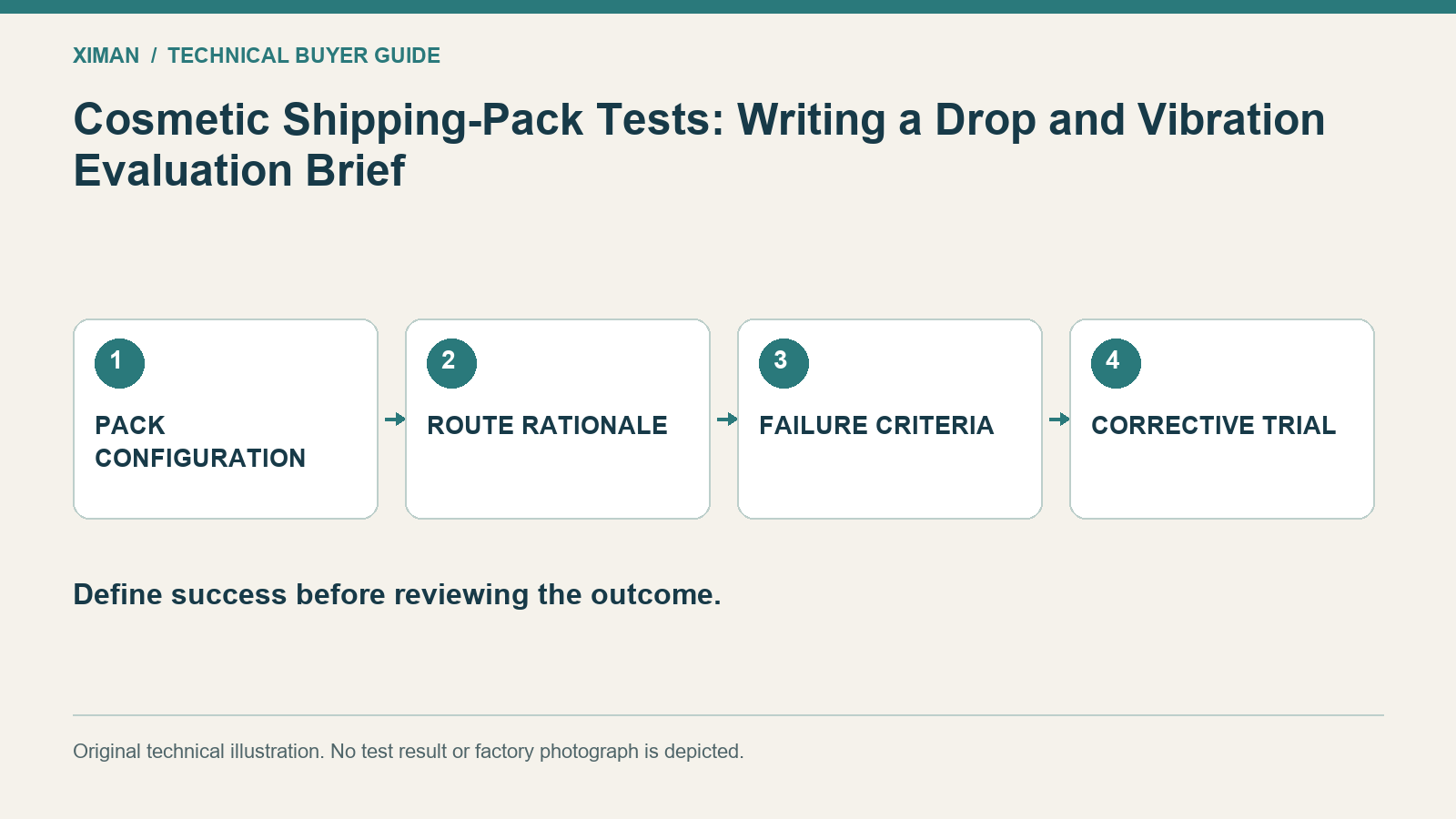
Shipping-pack evaluation should start with the proposed distribution route and the actual packed configuration. A test result is useful only when the brand can identify what was tested, under which procedure and what failure would prevent approval.
A cold-process concept should be described by its actual operations and quality evidence. Whether it is commercially appropriate depends on the formula, materials, equipment and control plan; the label alone does not establish an energy or cost advantage.
A packaging sample should be evaluated with the intended formula and a defined procedure. For airless pumps, the development decision should include the first usable dose and subsequent dispensing behaviour, rather than relying on a catalogue statement alone.
A range can sell well overall while one product runs out and another accumulates stock. Track demand, available units, committed orders and expected inbound supply at SKU level. A combined monthly sales figure cannot identify which formula, label or component needs replenishment first.
A purchase request for beta-glucan should identify the actual grade, its supplied form and the measurements behind its specification. An ingredient name alone does not explain how a material will behave in a particular cosmetic formula.
An ectoin emulsion brief should describe the finished product rather than rely on an ingredient story. The useful purchasing decision is whether a particular material can be incorporated into the proposed formula with documented processing and acceptable product characteristics.
A useful panthenol process discussion begins with the supplied grade and the formula's requirements. Buyers should ask for a reproducible addition procedure and its supporting observations, rather than a universal mixing temperature copied across different materials.
A smaller product range can be a business choice without being a claim about a market-wide trend. For an OEM project, the first task is to define what each proposed SKU contributes and what evidence would show that it meets the brief.
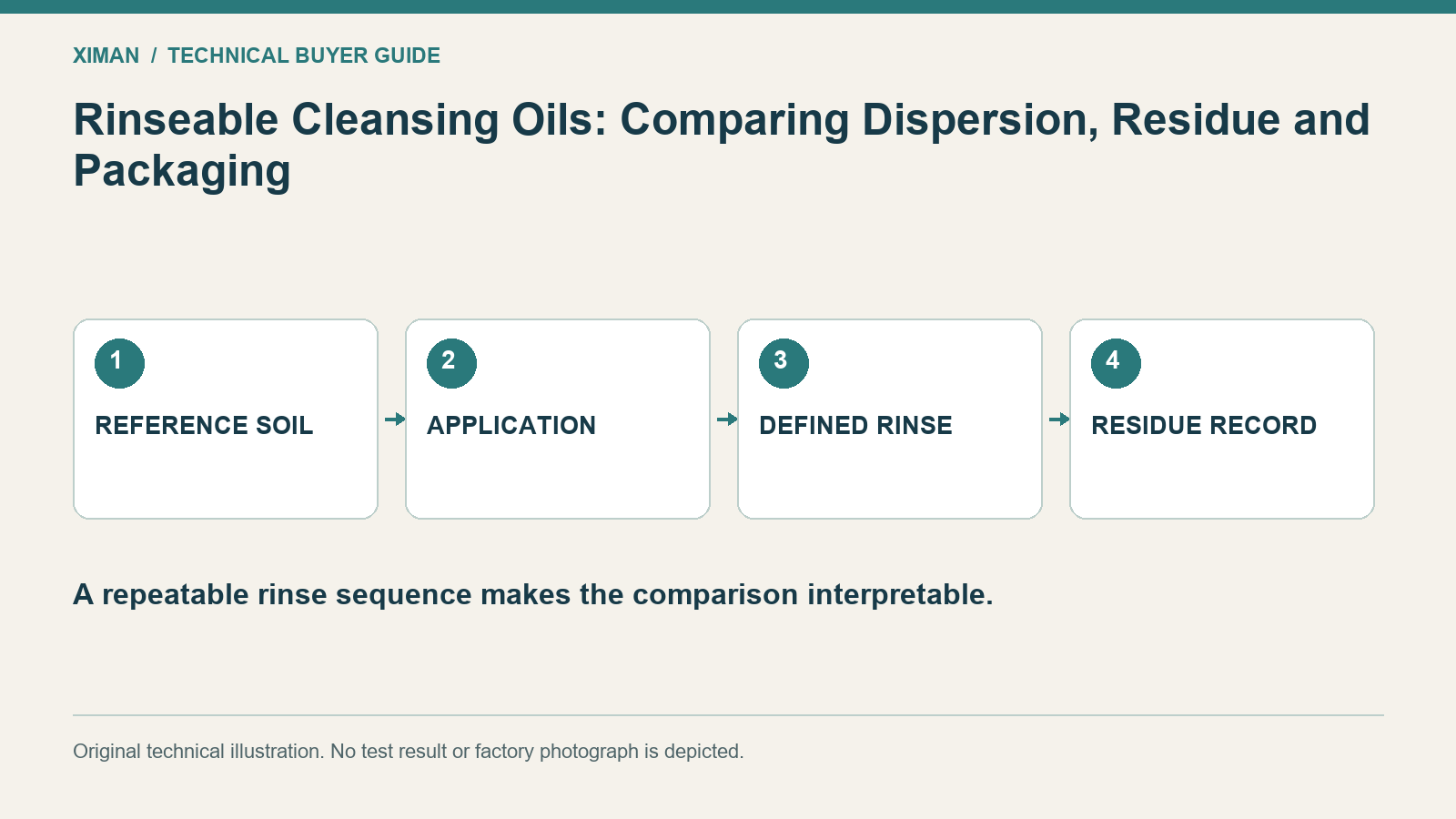
A rinseable cleansing oil should be assessed as a product used with water, a defined application procedure and a specific dispensing package. A development brief becomes clearer when removal performance and after-feel are evaluated as separate questions.
A report of pilling is more actionable when it identifies the products, amounts, sequence and waiting time involved. A controlled development investigation can narrow the question without claiming that one formula will layer perfectly with every product on the market.
Lightweight can mean low resistance while spreading, a short tacky phase, limited greasy residue or comfortable layering. Ask the brand to rank these properties and identify the intended climate and routine. A transparent gel and an opaque gel cream can both feel light but have different structures and development requirements.
A scalp tonic brief should define its intended cosmetic benefit and application area. A product intended to leave the scalp feeling comfortable is different from a hair-fiber serum intended to improve gloss or manageability. A targeted applicator and a botanical ingredient list do not establish a treatment for hair loss or scalp disease.
A body wash brief should identify the consumer, intended skin feel, washing method and pack size. Application directly by hand, on a washcloth or with a shower accessory can produce different foam and dose observations. Define the routine used for prototype comparison so feedback is reproducible.
A conditioner brief should identify the relevant hair characteristics, prior chemical treatment, length and washing routine. A product designed for bleached hair may need different sensory priorities from one intended for fine untreated hair. State whether the primary goal is easier wet combing, a softer dry feel or another cosmetic outcome.
A hand cream brief should identify the daily tasks that shape the product experience. Someone returning immediately to a keyboard may prioritize low transfer, while another customer may prefer a richer evening finish. These are product-positioning decisions, not a reason to assume one universal ideal texture.
A useful makeup remover brief identifies what the product is expected to remove and how consumers will use it. Foundation, long-wear lip products, mascara and other cosmetic films can present different removal tasks. One favorable test with one foundation does not demonstrate removal of every waterproof makeup product.
A replacement cartridge, a pouch poured into an existing bottle and a returned pack refilled under controlled conditions are different systems. Describe which product-contact surfaces are reused, which are replaced and who performs each step. The word refillable does not explain the hygiene or performance requirements.
A PCR proposal should identify the polymer, recycled-material category, percentage basis and component covered by the statement. Bottle body, closure, pump and decorative elements may have different compositions. A percentage for one component should not be presented as the percentage for the complete pack.
An aluminum tube proposal should identify its construction, internal coating where present, shoulder, nozzle, closure and sealing configuration. The visible metal surface does not describe every material contacting the product. Obtain the exact commercial specification rather than approving a tube from a photograph or a general material name.
An OEM quote becomes useful when the proposed formula, size, pack, decoration and delivery terms are explicit. Similar product names can conceal different materials, active-concentration bases, component quality or development work. Establish a common brief before ranking unit prices.
Begin with the exact ingredient identity and supplier grade. Squalane and squalene have related names but different chemical structures. Squalane is the saturated material; squalene is unsaturated. A product catalogue that uses the terms interchangeably leaves the buyer unable to evaluate the proposed formula or ingredient story. CIR re-review working materials discuss these ingredient identities and supporting information. [1]
A proposal containing L-ascorbic acid and one containing a vitamin C derivative are different formulation projects. Identify the actual material, its concentration basis, supplier grade and desired consumer benefit before requesting comparable quotes. A large number on a vitamin C complex does not automatically describe the amount of a defined active in the finished serum.
A retinol brief needs the destination, product type, intended routine and ingredient calculation before the first formula is approved. A statement such as 1% retinol complex can refer to a supplied blend containing much less retinol. Define the amount of the relevant substance in the finished formula and identify how supplier assay information supports it.
A ceramide complex may contain several lipids, carriers or supporting ingredients. Ask which defined ceramide materials are present, how they are specified and what the addition rate means in the finished cream. Comparing two products by the percentage of commercial complex can be misleading when the complexes have different compositions.
A hyaluronic acid serum proposal should identify the supplied ingredient, its solids content, molecular weight information and the amount used in the finished formula. A percentage describing a premixed solution is different from a percentage describing its actual polymer content. Clarify the calculation before comparing product strength or price.
An exfoliating toner brief needs the acid identities, intended application, rinse or leave-on instructions, target consumer and destination market. A bottle applied with a cotton pad and a jar of preloaded pads can deliver different quantities and exposure patterns even when the liquid formula is similar.
A balm brief should explain whether the product is a cleanser, a leave-on moisturizer or another cosmetic format. Specify the desired pickup from the container, softening during application, spread, residual feel and, for a cleansing balm, behavior when water is added. These requirements guide the structure needed in the formula.
A facial mist is experienced as a spray, so the nozzle should be part of early development. Define where the product is applied, the instructed distance, the intended number of actuations and whether the consumer should spread it afterward. A hand pump and a pressurized aerosol are different projects and should not share an unexplained testing brief.
A cosmetic label specification should identify the face material, adhesive, print, coating or laminate and actual container surface. Bottle resin, surface texture, decoration and cleaning history can influence the finished result. An adhesive described as permanent is not proof of acceptable performance on every cosmetic pack.
A reference product can illustrate a specific target such as spread, fragrance intensity, foam or dispensing. It should not become an instruction to reproduce a competitor's complete formula, claims and design. Identify what the brand wants to learn from each reference and what it is willing to change.
A complaint saying the cream is different needs clarification before a manufacturer can investigate it. Record the product, lot, purchase route, relevant dates, observed change and available photographs or units. Ask whether the report concerns odor, color, texture, leakage, dispensing or a reaction during use. These observations can lead to different investigations.
A reported average of 50 g does not tell a buyer whether every unit in a 50 g product run was acceptably filled. Individual results, sample selection, measurement uncertainty and the relevant market rules also matter. Establish the net-content review before commercial filling so the line target and release decision answer the same question.
A cap that screws onto a bottle is not yet a qualified closure. Bottle neck dimensions, thread geometry, cap design, liner or gasket, product contact and assembly conditions all contribute to the result. Evaluate the combination supplied for your project rather than the cap and bottle as unrelated catalogue items.
A familiar ingredient name can cover commercial materials with different composition, concentration, carriers and specifications. Qualification should identify the exact supplier grade used in the approved formula. An INCI name helps with labeling, but it does not establish that every material carrying that name is technically interchangeable.
A retention sample should help answer a future quality question. It may represent the released batch, preserve the approved sensory reference or provide material for an investigation. Those purposes can require different quantities and storage arrangements. A shelf of neatly labeled bottles is useful only when the contents and handling history remain interpretable.
Bulk holding is the interval during which a manufactured cosmetic waits before or between filling operations. The interval needs defined storage conditions and a justified quality decision. A batch can meet specifications after mixing yet behave differently after extended storage, transfer or a disrupted filling schedule.
Ask where manufacturing water is sampled, how its condition is monitored and what happens after an unexpected result. A purification unit describes one part of the system. Storage tanks, pipework, circulation, hoses and dispensing practices influence the water delivered to a mixing vessel. The relevant purchasing question is whether that water meets a justified specification when it is used.
A clear serum, fragranced body lotion and pigmented balm can leave different residues on the same equipment. Assess cleaning against the materials and equipment used in your project. A supplier's statement that every vessel is washed after production is useful only when the cleaning method and acceptance decision are defined.
A cosmetics export handover should connect released lots, quantities, pack configuration, documents, transport requirements and overseas receiving. Assign the owners of product compliance and logistics decisions before the goods leave the factory.
Build a cosmetic launch schedule around a precise milestone: factory release, departure or saleable stock received overseas. Work backward through formulation, testing, packaging, market documentation, production and freight to identify the longest dependency path.
A repeat-order agreement should identify which changes require notification, assessment or prior brand approval. Connect the proposed material, process or pack change to affected formula records, market documents, specifications and the first affected lot.
A cosmetic COA reports designated results for an identified batch under stated methods and criteria. Check its product identity, lot, specification, results and authorization against the approved release requirements and shipment records.
Prepare export ingredient statements and label particulars from the approved formula and destination-market requirements. Version control and review before printing prevent a prototype ingredient list or outdated claim from reaching physical packaging.
A finished cosmetic pack can combine bottle, closure, decoration, carton and insert suppliers with different minimums. Request a component breakdown and show the cash, inventory and ownership implications for the first launch and repeat orders.
A United States cosmetic project should identify the actual manufacturing facilities, responsible person and owners of registration, listing, safety substantiation and adverse-event work. Supplier qualification needs accurate records and quality evidence alongside the applicable regulatory obligations.
An Australian cosmetics importer needs to assess AICIS business registration and the introduction category of relevant ingredients, alongside local finished-product rules. Agree which composition data the manufacturer will supply and who will complete the Australian review.
An EU cosmetic launch requires a defined Responsible Person and product-specific safety, information and notification work. Establish how the brand, non-EU manufacturer and qualified advisers will exchange the data needed for the actual formula and pack.
For a cosmetic sold in England, Scotland or Wales, establish the applicable Great Britain Responsible Person, product documentation, label review and SCPN notification. Identify Northern Ireland separately when defining destinations and regulatory responsibilities.
Set the regulatory route for a sunscreen before requesting commercial formulation. United States OTC drug requirements and the European Union cosmetic framework differ in ingredient conditions, testing, documentation and labeling, even when the target SPF is the same.
Write the exact cosmetic claim before deciding which study or documentation will support it. The tested formula, users, comparator, measurement, duration and final wording determine whether the evidence answers the marketing promise.
Choose a niacinamide concentration within a brief that defines the consumer, texture, routine and intended cosmetic claim. Evaluate the complete product for comfort, stability and suitable evidence instead of ranking proposals by the largest label percentage.
A fragrance-free brief should define the proposed claim, identify ingredient functions and account for the remaining formula odor. Review supplier composition, labeling requirements and finished-product suitability before translating the position into artwork.
Start a PDRN skincare project with the actual supplier material: its ingredient declaration, specification, active-content basis and batch documentation. Then assess its fit with the finished formula and the evidence supporting the intended cosmetic claims.
Peptide serum proposals should identify the particular material, its composition and concentration basis. Compare supplier evidence with the final product concept, processing conditions and claim rather than treating all peptide blends as equivalent.
A hair serum brief should state whether the product is applied to hair fibers for appearance and manageability or to the scalp. The application area, dose and routine determine formulation priorities, evaluation methods and the relevant claims review.
A lyophilized cosmetic needs a clear reason for its dry format and a validated mixing experience. Evaluate the stored components, container protection, instructions and resulting mixture together before choosing packaging or making performance claims.
Body lotion must spread comfortably over a larger area, dispense reliably and fit the intended price per use. Connect the formulation brief to the pack size, consumer routine, climate and total cost of saleable units.
A shampoo brief should identify the primary hair type, washing frequency, cleansing needs and acceptable after-rinse feel. Evaluate the complete formulation in representative use conditions so development feedback describes an observable problem.
A useful cream range gives each SKU a distinct place in the consumer routine, with differences in texture or supported cosmetic purpose. Compare proposed products before committing to several formulas, packaging inventories and launch approvals.
A facial cleanser needs the right balance of cleaning, foam, rinse behavior and after-feel for its intended routine. The complete surfactant system, pH, dose and use conditions influence that experience.
Compare an airless pump and a dropper using the actual skincare formula, intended dose, protection needs and consumer routine. Compatibility, leakage, reliable dispensing and accessible product matter alongside presentation and component cost.
A productive serum brief identifies the target customer, principal cosmetic benefit, desired texture, market, pack and commercial constraints. These decisions let manufacturers quote comparable development work and propose a coherent formula.
A useful skincare texture brief names the dispensing behavior, spread, tack, residual feel and layering performance the brand wants. Reference samples and consistent evaluation conditions turn subjective preferences into feedback a formulator can act on.
An emulsion needs a compatible ingredient system and a manufacturing process that produces the intended structure. A cream or lotion should be evaluated for physical stability, sensory behavior, product protection and performance in its chosen pack.
Read a cosmetic stability report for the exact formula and commercial pack, with the protocol, baseline and acceptance criteria visible. A shelf-life decision must address relevant physical, chemical, microbiological and sensory changes under anticipated storage and transport conditions.
Cosmetic preservation depends on the complete formula, manufacturing controls, packaging and intended use. A challenge-test conclusion becomes useful when the report identifies the tested version, suitable method, organism-specific observations and assessment criteria.
A useful batch-traceability system connects a finished unit to its formula version, ingredient and packaging lots, production records, release decision and shipments. It must also identify affected finished products when a raw-material supplier reports a problem.
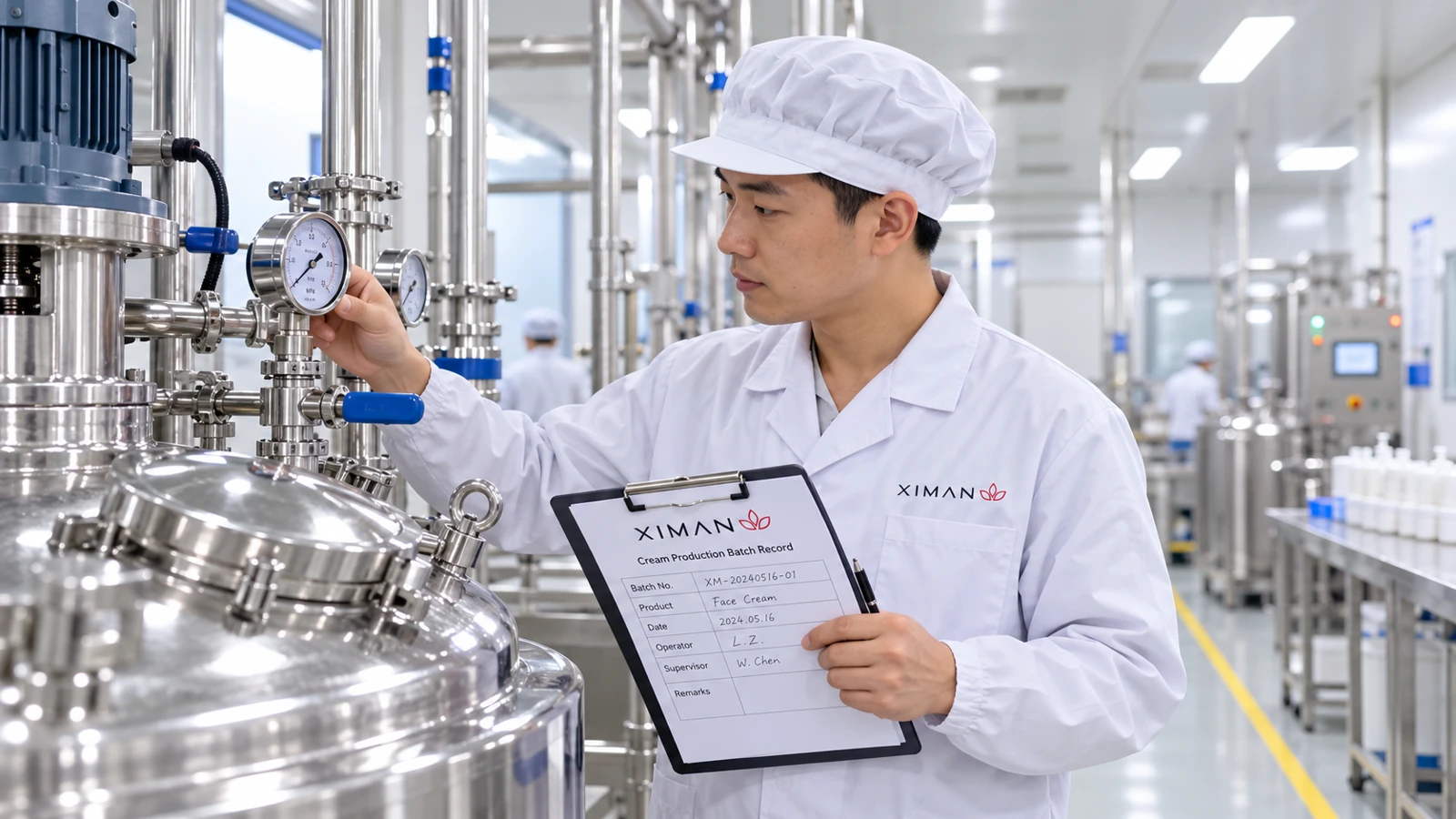
Scale-up should demonstrate that the approved cosmetic formula can be reproduced on the intended equipment, transferred and filled into its commercial pack while meeting agreed specifications. The evidence needs to connect the laboratory sample, pilot work and first production batch.
Choosing a cosmetics manufacturer in China means checking whether a supplier can take your product from the brief through formulation, testing and scale-up to consistent delivery. A factory that looks large is not necessarily the right partner. Assess six areas: manufacturing authorization, R&D capability, quality management, export coordination, commercial fit and transparency. Ask for evidence in each area.
A startup needs more than the cheapest supplier. The first product project must keep fixed development costs, inventory risk and communication complexity under control. A suitable private label skincare manufacturer should let you test the market with a small number of SKUs while keeping a path open to custom formulas and packaging later.
Credential checks should establish who manufactures the product, where it is made, what the site is authorized to manufacture, who audited its quality system and whether the product and documents trace back to the same entity. Collecting a stack of certificates is not the objective.
Do not decide whether a cosmetics supplier is a factory or trading company from a single signal. Check whether it owns or directly controls manufacturing resources and whether contracting, production, quality and after-sales responsibilities are transparent. A trader can be useful, while direct factory access may reduce information loss for detailed formula development and technical discussions.
Choosing a custom skincare manufacturer means choosing a development partner. Beyond the first sample, assess how the formula will be defined, tested and scaled for production, how formula information will be protected and whether subsequent orders can remain consistent.
Cross-border private label cosmetics projects often run into several small issues that accumulate late in development: an unlocked formula, unconfirmed packaging, late regulatory checks, inconsistent quotation assumptions and unclear responsibilities. Risk management starts with the inquiry, rather than after a problem appears.
Chinese skincare OEM manufacturing is not the right route for every brand. A stronger fit usually combines a clear product direction, realistic production timing, sample approval against agreed quality requirements and an intention to reorder. Project readiness and working arrangements matter more than brand size.
A remote cosmetics factory audit should establish a chain of evidence: the entity, site, capabilities and documents must correspond. A well-planned 60-minute live review can provide more useful information than numerous edited promotional videos.
An established brand and a startup can assess the same factory differently because their constraints differ. Larger brands tend to prioritize scale, audits, continuity of supply and change control. Startups tend to prioritize MOQ, sampling speed, communication, cash flow and flexibility.
R&D capability involves more than a laboratory and equipment. Assess whether the team can turn a market need into a technical proposal, identify formulation risks, perform suitable verification, scale a laboratory sample for production and explain the basis for its decisions.
Cosmetics export experience matters because documents, labels, packaging, transport and the responsible parties must work together. The value lies in relevant projects and a clear process, rather than the number of countries mentioned in a presentation.
OEM, ODM and private label cosmetics are not used identically by every supplier or market. Before choosing a model, establish who provides the formula and design, the depth of customization, ownership rights and responsibility for compliance.
A clear skincare OEM quote request helps suppliers provide a more useful response. A one-page brief covering the product, market, quantity, formula, packaging, timing and compliance needs is a practical starting point.
Private label cosmetics costs need to be evaluated as a complete structure, with clear quotation boundaries. A useful comparison separates bulk product and processing, packaging, development and samples, testing and documents, logistics and possible one-time fees.
When cosmetics OEM quotes vary widely, first check whether the specifications are equivalent. Formula grade, active ingredients, packaging, fill quantity, order volume, testing, payment terms and service scope can each affect the price.
Private label skincare MOQ is usually influenced by formula batch size, economical production volume, packaging and printing minimums, material purchasing, testing and changeover costs. To reduce it, identify the part of the supply chain that sets the minimum.
Cosmetics OEM sample fees are one part of managing product development. Besides possible refunds, clarify what each sample includes, how revisions work, acceptance criteria, sample retention and the comparison between the approved sample and bulk production.
A custom skincare manufacturing budget should separate project stages and cost types rather than rely only on unit price multiplied by quantity. Include product, packaging, development and samples, testing and documents, logistics and taxes, plus a contingency appropriate to your project’s risks.
Effective negotiation with a cosmetics manufacturer in China involves exchanging workable conditions. Quantity, reorder forecasts, formula complexity, standard packaging, payment arrangements, timing flexibility and longer-term planning can all influence an offer.
A useful cosmetics OEM quotation should answer four questions: what you are buying, what you will pay in total, when the work will be completed and who handles problems. Price is only one part of that review.
Skincare OEM payment terms should connect payments with agreed, verifiable milestones. Check that the beneficiary, contracting entity and order details correspond, and investigate any differences before transferring funds.
Managing startup private label skincare costs means prioritizing what customers experience and what the applicable requirements demand. Customization that can wait should follow evidence of demand rather than absorb the entire first-launch budget.
Cosmetics packaging material wastage covers components that become unusable through transport damage, printing defects, setup, filling, capping or quality rejection. Clarify how the allowance is calculated, who supplies extra materials and how unused stock is handled.
A cosmetics ODM project budget can become unclear when suppliers define “full service” differently. Break the scope of work into formula, samples, design, components, production, testing and documents, and logistics, then identify inclusions and separate charges.
The key to skincare OEM sampling to production is clear release criteria at each stage. Connect sample approval, component approval, scale-up, first production and finished-product inspection through traceable records.
Choosing a ready-made vs custom skincare formula involves tradeoffs among speed, differentiation, budget, technical risk and intellectual property. A brand may use both approaches within the same range.
A custom skincare formulation brief needs more detail than a list of broad benefits. Connect the target user, main concern, intended positioning, skin feel, ingredient preferences, exclusions, price range and destination market.
Useful cosmetics OEM formula feedback uses a shared language. Identify every sample version, change a limited number of important variables and record the differences in a structured assessment.
Skincare formulation for export should begin with the intended market and responsible parties. Review the formula, claims and labels from the product-brief stage rather than treating regulatory work as a final pre-shipment check. Requirements differ between the US, EU and other markets.
Private label skincare formula ownership should be defined more precisely than the phrase “custom formula.” Separate pre-existing know-how, new project results, exclusive use, ownership, access to technical information and rights after the relationship ends.