
Bio Technology
– Study skin-cell responses and mechanisms to define a research rationale for ingredients.
– Turn technical information into communication materials for product development and client discussions.
Ximan explores biotechnology as a starting point for cosmetic ingredient and product development.
Our work considers microbial resources, enzyme science and biosynthesis in relation to ingredient characteristics, intended benefits and formulation conditions.
Research findings inform ingredient screening, sample development and evaluation so technical ideas can connect with real product needs.
Three areas—microbial platforms, enzyme biotechnology and biosynthesis—link resource exploration, technical research and ingredient application.
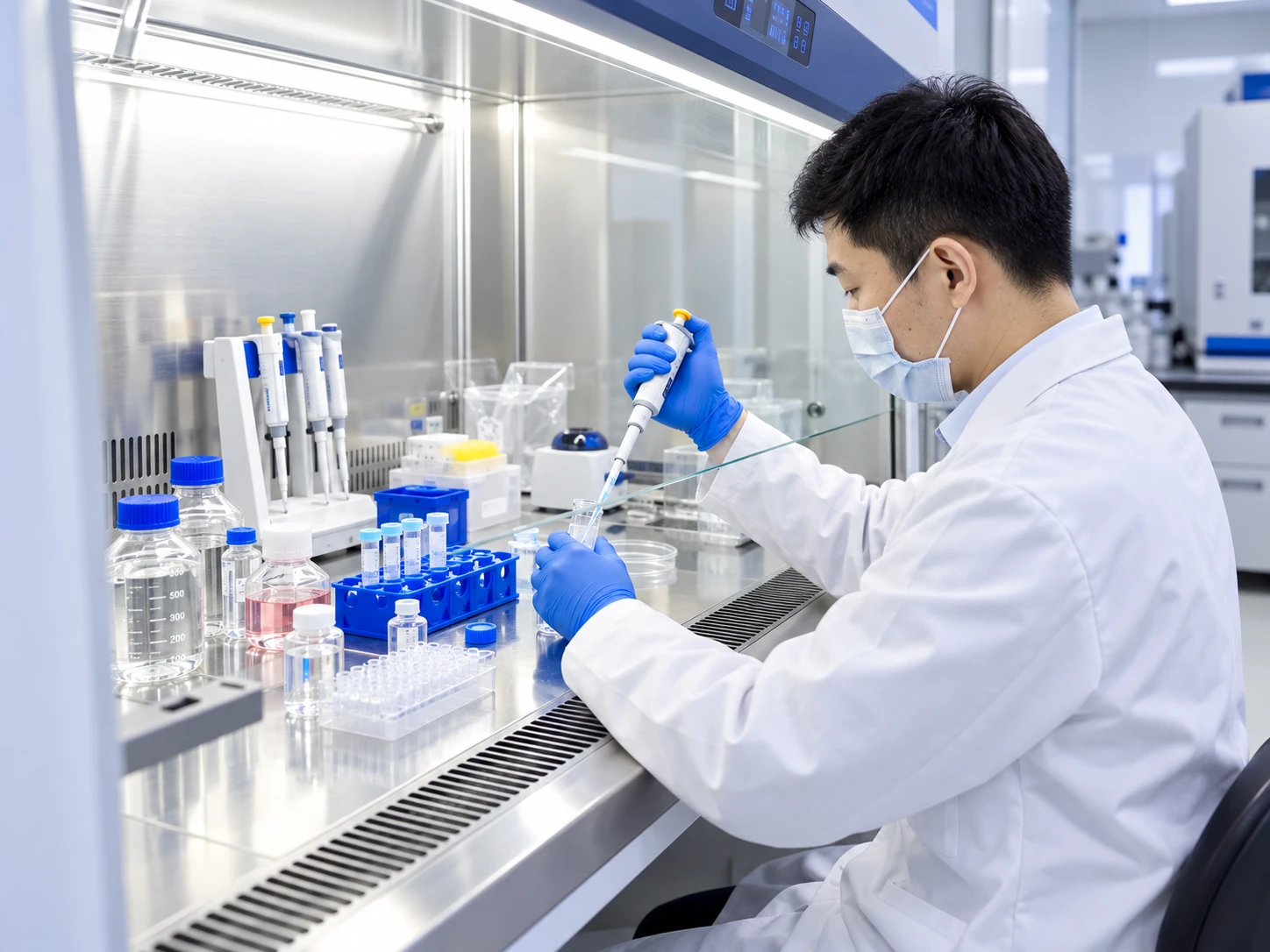
The microbial platform starts with resource discovery and characterization, including directions related to botanicals, environmental sources and the skin microbiome. Differences in origin and metabolism call for systematic screening and clear records.
Research extends beyond identifying a strain. Culture conditions, metabolites and functional clues help determine whether a resource merits further ingredient development.
Skin microbiome research is one area of interest. The platform considers how ingredients may connect with product positioning, use contexts and intended users.
Current research discussions focus on:
As a research direction enters product development, specifications, stability, odour, sensory performance and regulatory needs must be assessed. Strain research alone does not establish finished-product performance.
The aim is to connect microbial research with ingredient innovation and create clearer development options for personal care products.
Enzyme biotechnology explores biological catalysis in cosmetic ingredient research. Source, structure and conditions of use shape performance across formulation systems.
The platform considers temperature, pH, storage and formulation environments when defining application boundaries, alongside format, process and target experience.
Enzyme technology can inform biotransformation and functional ingredient exploration. The challenge is to connect laboratory information with assessable ingredient options.
Research questions include:
Results must be understood in the final product context. Formula pH, ingredient combinations, packaging and use conditions may all change performance.
Ximan treats enzyme technology as a development tool, guided by verifiable ingredient information and an evaluation path suited to the finished product.
The biosynthesis platform explores functional ingredient pathways using biological systems. It considers how a target substance is formed, characterized and applied.
Starting with an application need, the platform discusses synthesis routes, process conditions and evaluation. Directions may include bio-derived functional molecules, proteins or peptides, depending on project goals and available information.
Moving from research to cosmetic use requires attention to origin, purity, specifications, consistency and safety in one development process.
Research discussions focus on:
The value of platform research is to turn possibilities into ingredient choices with defined conditions. Formulation compatibility, stability and suitable evaluation remain essential.
Microbial resources, enzyme technology and biosynthesis are connected: resources provide clues, technology helps transform them, and product development tests relevance.
– Study skin-cell responses and mechanisms to define a research rationale for ingredients.
– Turn technical information into communication materials for product development and client discussions.
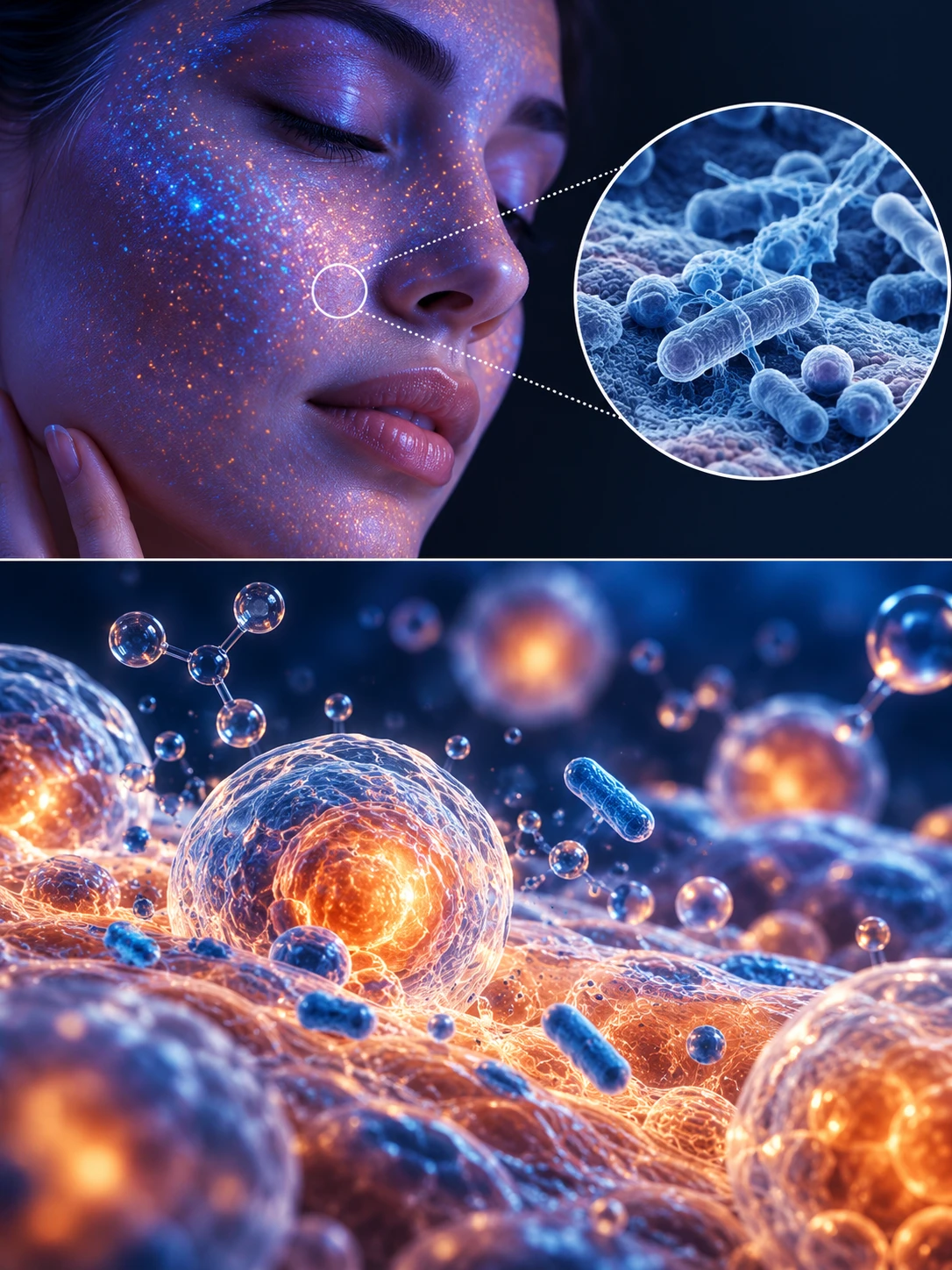
– Explore bio-derived active ingredient and microbiome research directions linked to product development.
– Consider microbial characteristics and product conditions when planning application and validation.