Capture enough information to distinguish the problem
A complaint saying the cream is different needs clarification before a manufacturer can investigate it. Record the product, lot, purchase route, relevant dates, observed change and available photographs or units. Ask whether the report concerns odor, color, texture, leakage, dispensing or a reaction during use. These observations can lead to different investigations.
Safety reports need prompt escalation to the appropriate responsible party. The intake process should avoid giving medical diagnoses or delaying a report while commercial responsibility is debated. Define who receives urgent information, how it is preserved and which qualified people make the safety and reporting assessments.
For U.S. cosmetics, MoCRA includes serious adverse-event reporting duties; FDA's overview describes the applicable responsible-person reporting deadline as 15 business days after receipt. A purchasing agreement should identify the reporting route without attempting to replace the law or the qualified assessment. [1]
Establish the affected product identity and history
Match the reported code to manufacturing and packaging records. If the code is missing or unreadable, use the sale and shipment information to narrow the possible lots and record the uncertainty. Do not assign a lot purely because it was the most recent production run.
For a returned unit, document whether it was opened, used, refilled, decanted or exposed to unusual conditions. These details are relevant evidence, not a reason to dismiss the consumer. Preserve the package and its contents in suitable conditions for the agreed examination and keep transfers traceable.
Compare with factory retention units and appropriate neighboring batches when that comparison can test a plausible explanation. A complaint about a pump may be connected to a component lot while the same bulk formula in a tube performs normally. A complaint about odor may require both formula and packaging review.
Separate containment from the root cause conclusion
Containment addresses what to do while the issue remains unresolved. Depending on the evidence and assessment, actions may include identifying stock, preventing further shipment or holding relevant goods. The purpose is to manage the current uncertainty; it does not establish the cause.
Root-cause work then evaluates explanations against records and suitable examination. Possible areas include material changes, manufacturing conditions, storage, packaging, shipment and foreseeable use. The investigation should explain why a proposed cause fits the chronology and observations, and which evidence would contradict it.
| Investigation step | Question the record should answer |
|---|---|
| Intake | What was reported, when and by whom? |
| Identity | Which product and lots may be involved? |
| Containment | What temporary control is justified? |
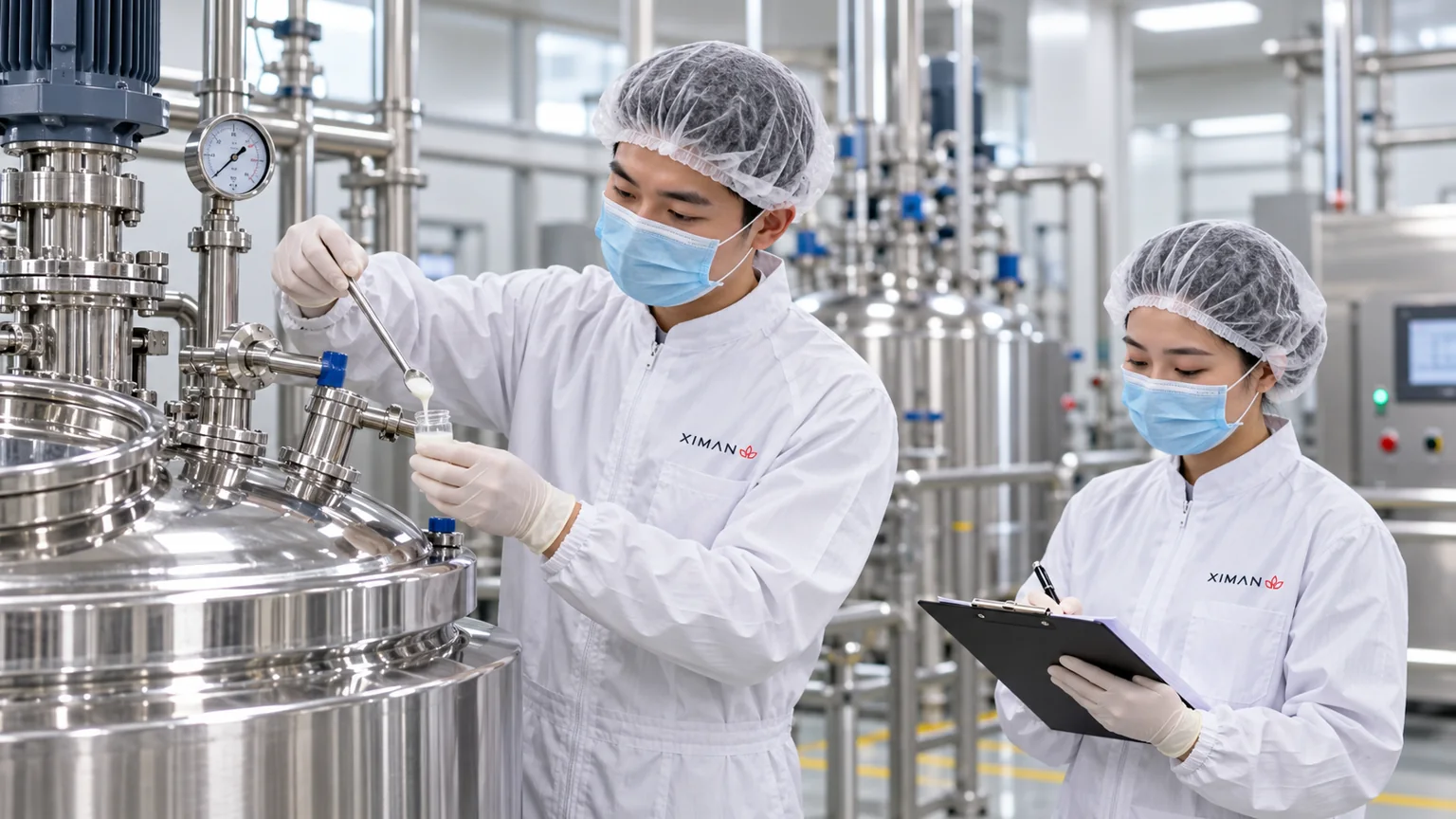
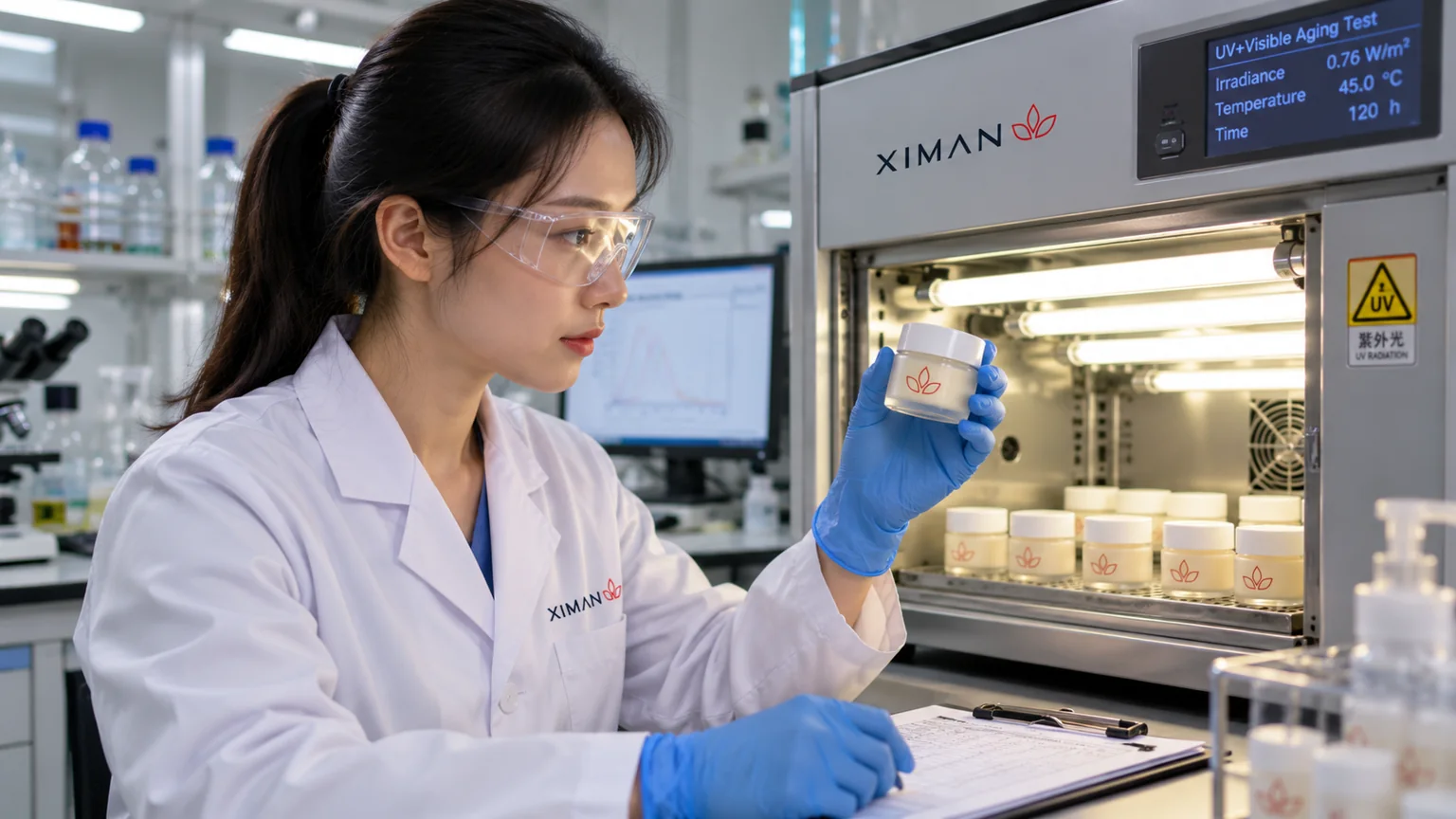
| Examination | Which samples and methods address the reported issue? |
| Conclusion | What evidence supports the cause or remaining uncertainty? |
| Follow-up | How will the action's effectiveness be checked? |
FDA's microbiological-safety information identifies several contamination routes, including materials, manufacturing, packaging, storage and consumer use. Those routes help frame possibilities; the actual cause still requires product-specific evidence. [2]
Avoid closing the case after a convenient retest
A satisfactory result from an unaffected sample does not invalidate a failure in the reported unit. Review whether sampling, test conditions and recovery were suitable and whether the result genuinely addresses the complaint. A second laboratory can be useful where a technical disagreement remains, but repeating tests until a favorable answer appears is not a defensible method.
If the cause cannot be confirmed, state that clearly. The report can still record the evidence reviewed, plausible explanations, remaining limits and a justified decision. Uncertainty is preferable to naming storage misuse without support or blaming a raw-material supplier before the relevant lots have been examined.
Commercial replacements can help a customer while the investigation continues. Keep that arrangement separate from the technical conclusion so an immediate refund is not misrepresented as admission or proof of a particular cause.
Verify that corrective action changed the risk
An action such as replacing a gasket, revising a filling setting or strengthening a receiving check should have a defined verification. Specify the affected future runs, observations and review period needed to evaluate whether the change worked. Training alone may be insufficient when the original issue involved unsuitable equipment or an unclear specification.
Review complaints across lots and time, accounting for sales volume and the way reports are collected. Ten reports from a heavily sold product cannot be compared fairly with one report from a small launch without context. A repeat pattern deserves attention even when individual cases seemed minor.
For the brand and OEM partner, the useful deliverable is a concise investigation record with responsibilities, product identity, evidence, disposition and follow-up. It supports trust because the decision can be examined later rather than reconstructed from an account manager's memory.
Frequently asked questions
Can a refund replace a quality investigation? No. A commercial remedy and the assessment of product quality or safety serve different purposes. The appropriate investigation and reporting responsibilities still need to be addressed.
Should the manufacturer automatically accept every suggested cause? No. Take the report seriously and evaluate plausible causes against evidence. The conclusion should distinguish confirmed findings from assumptions or unresolved possibilities.
Can one complaint affect several lots? Potentially. A shared material, pack component or process can connect several batches. Determine the scope through traceability and assessment rather than assuming either one unit or the entire range is affected.
Project discussion: Agree with XIMAN on the complaint contacts, sample-sharing process and information your brand should collect before the first shipment.
Sources & review date
- [1] FDA Modernization of Cosmetics Regulation Act of 2022 ↗ · Checked 2026-10-14
- [2] FDA Microbiological Safety and Cosmetics ↗ · Checked 2026-10-14
- [3] ISO 22716 Cosmetics good manufacturing practices overview ↗ · Checked 2026-10-14
Sources and check dates are listed above; applicability depends on the destination market and product conditions.
Discuss your market and product
Share your destination market, product category, project stage and estimated quantity to plan the next step.