Evaluate the water that actually reaches the formula
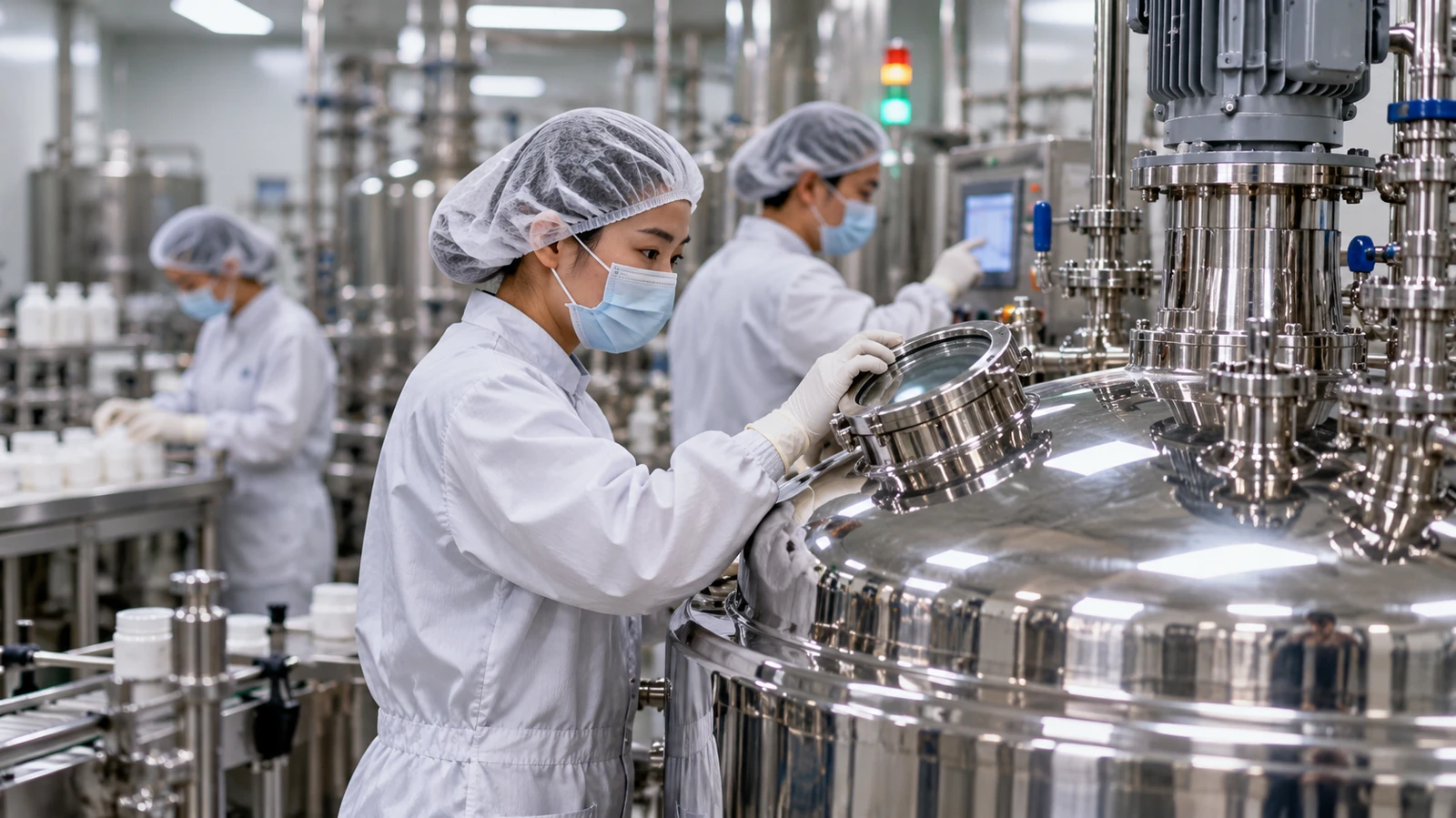
Ask where manufacturing water is sampled, how its condition is monitored and what happens after an unexpected result. A purification unit describes one part of the system. Storage tanks, pipework, circulation, hoses and dispensing practices influence the water delivered to a mixing vessel. The relevant purchasing question is whether that water meets a justified specification when it is used.
A manufacturer should distinguish ingredient water from utilities used for washing or other purposes. A floor plan with several treatment stages can look reassuring while leaving the last transfer hose unexplained. Request a simple system diagram and use it to follow one representative point from treatment through storage to production. The diagram should match the equipment being used for your project.
Compare chemical measurements with microbiological information
Conductivity can indicate certain dissolved ionic contaminants. It does not establish that water is microbiologically acceptable. Similarly, a favorable microbial result does not answer every chemical-quality question. Review the specification, relevant methods and the reason each parameter was selected for the intended use.
FDA's cosmetics inspection checklist explicitly addresses regular chemical and microbiological testing of water used as an ingredient. This is a technical inspection reference, not a product approval or a complete statement of current U.S. regulatory duties. [1]
Avoid prescribing a single conductivity or microbial limit for every cosmetic factory. Product type, processing, applicable requirements and the qualified technical assessment determine the control strategy. Ask whether alert levels, action levels and product-disposition decisions are clearly distinguished. An internal warning used to investigate a trend need not be identical to the limit used to reject material.
Request a trend with meaningful sampling locations
| Evidence | Useful interpretation question |
|---|---|
| Sampling map | Are treatment outlet, storage and relevant use points represented? |
| Dated results | Do they cover routine production and periods after maintenance? |
| Method description | How is the sample collected, transported and examined? |
| Sanitation record | Can changes be related to the system's treatment history? |
| Exception record | Which batches were assessed when a result changed? |
A single selected result is less informative than a consistent series. Consider an illustrative sequence in which counts remain below an action limit but increase over several samples. That pattern can justify investigation even though no individual result is labeled failed. Ask who interprets the trend and which follow-up samples distinguish a local hose issue from a wider storage or distribution problem.
Sampling conditions matter. A sample taken directly after sanitation may answer a different question from one collected during normal use. The record should explain the flushing procedure, sample container and any controls needed for reliable recovery. Comparisons need consistent methods; changing a laboratory method can create an apparent trend without a real change in the water.
Follow an unexpected result into the affected batches
If a use point produces an unacceptable result, the manufacturer should establish the period and products potentially affected. Relevant information includes the last satisfactory result, production times, water withdrawals, cleaning events and any abnormal equipment conditions. Appropriate containment and investigation should be recorded while the cause is assessed.
Retesting alone should not erase the first result. A satisfactory sample collected after flushing or sanitation describes the later condition; it does not prove that earlier water was satisfactory. The quality team needs a documented conclusion about affected bulk and finished goods, supported by relevant evidence. This may require further testing, assessment of processing conditions or another justified disposition.
For the buyer, request the conclusion and its product implications rather than demanding unrestricted access to every internal record. Confidential system details can be redacted without removing sample identity, chronology or the basis for the release decision. FDA's microbiological-safety information provides context for contamination risks in cosmetics, while the actual investigation must address the specific system and products. [2]
Connect maintenance to restart decisions
Maintenance, prolonged shutdown or replacement of a tank or distribution component can change the assumptions behind existing monitoring. Ask what checks establish readiness before water is returned to production and how temporary transfer arrangements are controlled. A spare hose needs the same identity, storage and sanitation discipline as the routine one.
Keep the water-control discussion proportional to the product. The aim is a reliable ingredient supply with retrievable records, not an impressive equipment list. A supplier conversation is productive when the technical team can explain its specification, sampling rationale and response to deviation using an actual redacted example.
Frequently asked questions
Does reverse osmosis make cosmetic manufacturing water sterile? No. Reverse osmosis is a treatment step, and downstream storage or handling can introduce contamination. Evaluate the complete system and the water at relevant use points.
Can a low conductivity reading replace microbial testing? No. Conductivity and microbiological examination address different characteristics. Choose suitable measurements for the defined water specification and intended use.
Should the brand demand pharmaceutical water specifications? Not automatically. Requirements need a justified technical and market assessment. A stricter-sounding label is not a substitute for controls appropriate to the actual cosmetic process.
Project discussion: Ask XIMAN which water-control records can be reviewed for your formula and how an exception would be communicated if it affected your batch.
Sources & review date
- [1] FDA cosmetic GMP guidelines and inspection checklist ↗ · Checked 2026-10-14
- [2] FDA Microbiological Safety and Cosmetics ↗ · Checked 2026-10-14
- [3] ISO 22716 Cosmetics good manufacturing practices overview ↗ · Checked 2026-10-14
Sources and check dates are listed above; applicability depends on the destination market and product conditions.
Discuss your market and product
Share your destination market, product category, project stage and estimated quantity to plan the next step.