A clear skincare OEM quote request helps suppliers provide a more useful response. A one-page brief covering the product, market, quantity, formula, packaging, timing and compliance needs is a practical starting point.
A message such as “I want a cream; how much does it cost?” usually produces a broad estimate and multiple follow-up questions. Explain the project assumptions before comparing prices.
Product category and positioning
Identify whether the project is a serum, emulsion, cleanser, body lotion or another product. Explain the intended price positioning and main benefit direction, since these affect material and process choices. If the range is undecided, list the options and ask which priorities should be resolved first.
Target market and sales channel
Specify the destination country and whether you plan to sell online, through salons or through another channel. These details inform ingredient, labeling and documentation discussions, as well as packaging format and language. Agree who will verify the applicable requirements.
Benefit goals and reference products
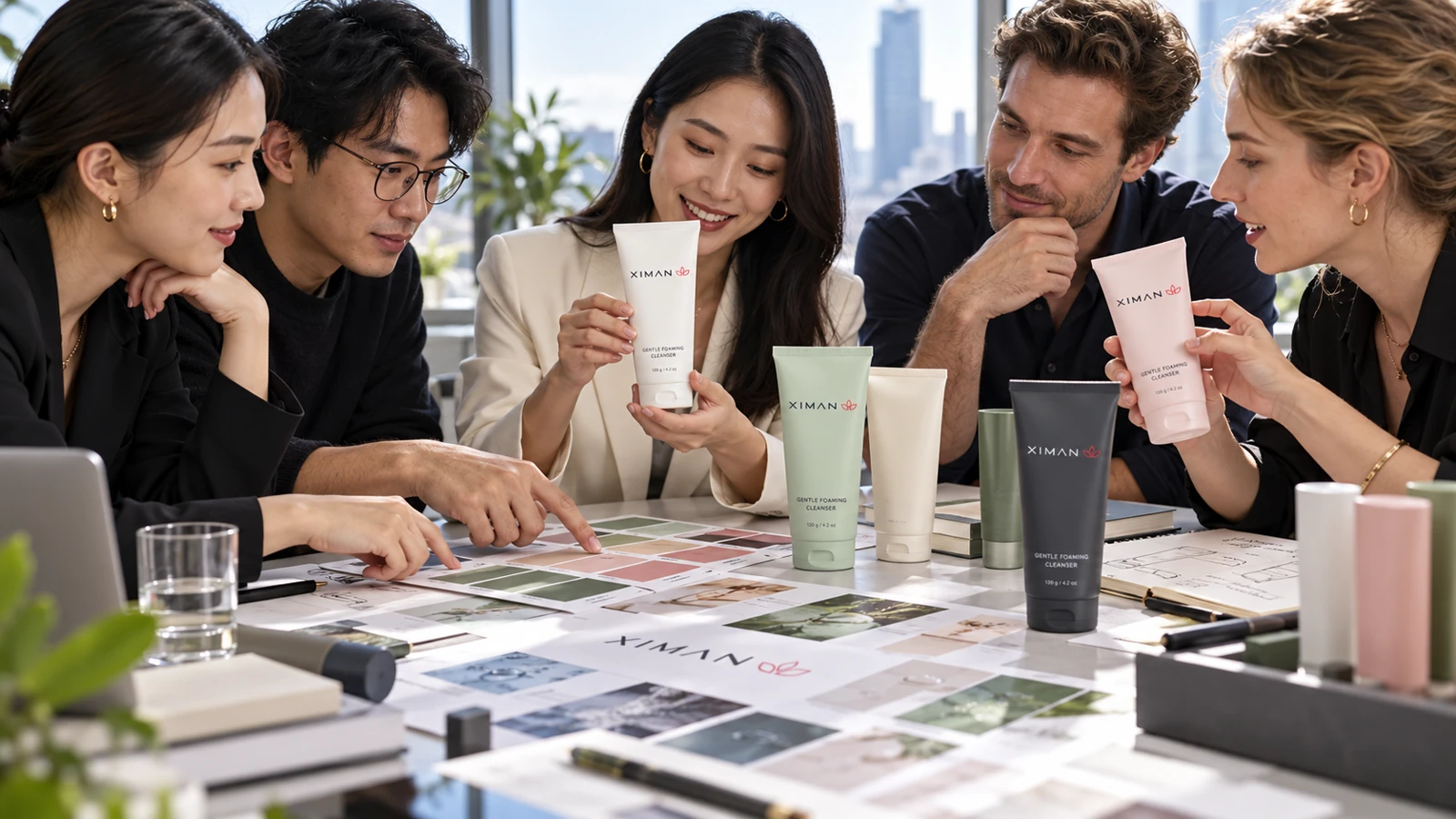
Describe the intended moisturizing, aging-care or sensitive-skin positioning and other relevant goals. Reference products are optional, but explain what you like about them: texture, fragrance, dispensing, appearance, ingredient story or price position. A reference should guide discussion rather than imply that copying every feature is appropriate.
Packaging and quantity
State whether you want a bottle, tube or another format, and whether stock or custom components are acceptable. Packaging choices affect cost and MOQ. Give an approximate first-order range, such as hundreds or thousands of units, if an exact quantity is not yet decided.
Budget and timeline
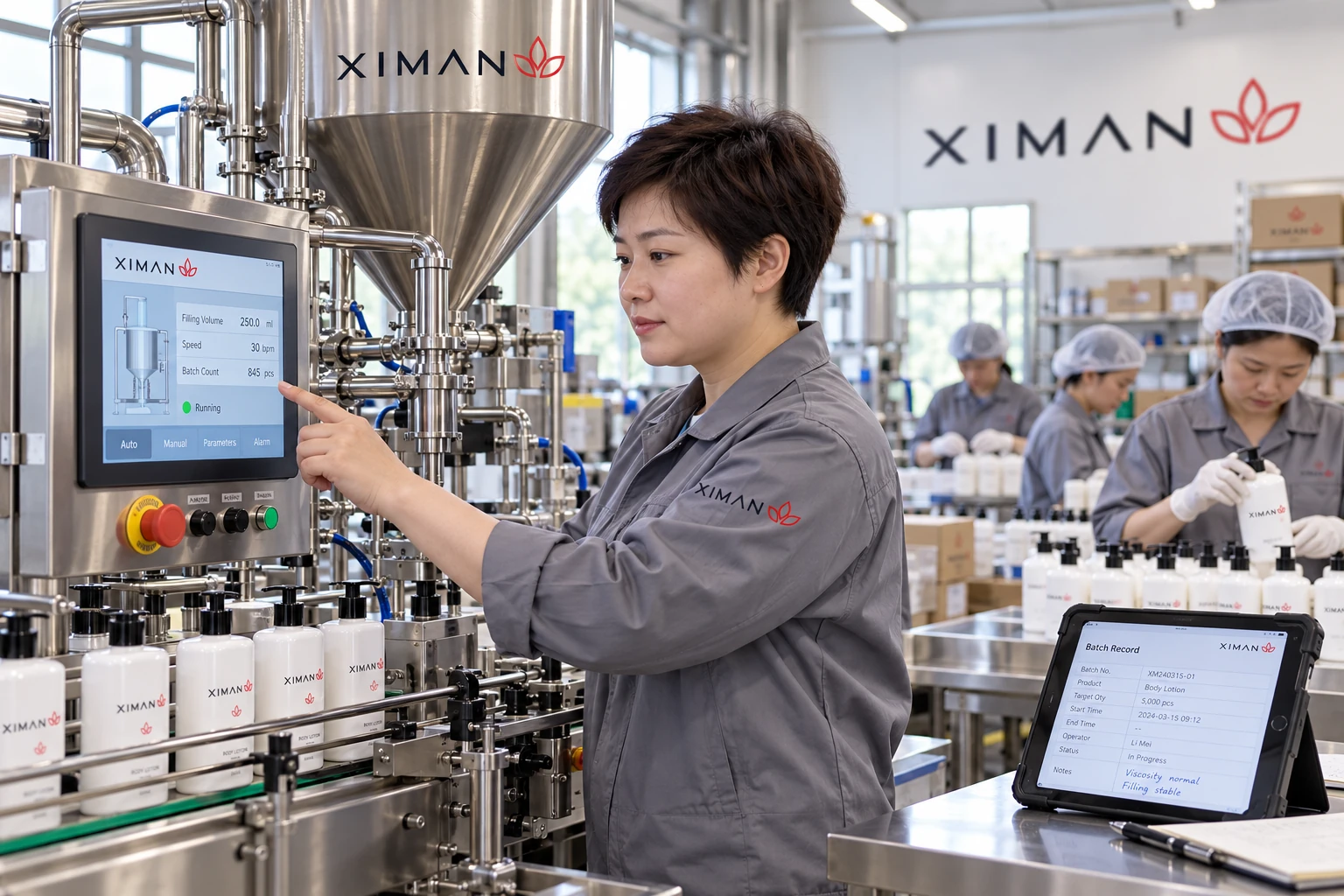
An approximate budget and launch target help narrow the options. The supplier can then discuss feasible formula and packaging routes and any timing constraints. Confirm development and production assumptions before treating a preliminary estimate as a commitment.
We welcome briefs that include the product type, market, reference and quantity. This helps us discuss relevant formulation options and a more useful price range, with fewer basic follow-up questions.
How to make the RFQ clear
Do not send only a competitor link. Explain which features interest you, such as skin feel, fragrance, pump performance, visual presentation, ingredient story or price band.
Separate mandatory requirements from preferences. For example, fragrance-free may be essential while glass packaging is optional. Treating every preference as mandatory can unnecessarily increase cost or limit the available options.
Ask the supplier to record quotation assumptions. If packaging has not been selected, the quote should identify the assumed component so that later changes can be evaluated clearly.
A one-page RFQ checklist
| Field | Information to provide | Why it matters |
|---|---|---|
| Product and specification | Category, fill size, texture and benefit direction | Formula and filling requirements |
| Target market | Country and sales channel | Ingredient, labeling and document requirements |
| Formula | Established option, adjustment or new development; exclusions and preferences | Development scope |
| Packaging | Format, material, printing and mold needs | Cost and MOQ |
| Quantity | First order and likely reorder quantities | Price tiers and minimums |
| Timeline | Sampling target and intended launch date | Feasibility and sequencing |
| Budget, if available | Approximate range | Selection of suitable options |
Frequently asked questions
Can I request a quote without a budget? Yes. Provide at least a quantity range and product positioning so that the supplier can narrow the options. Otherwise, the estimate may remain broad.
How detailed should the brief be? Prioritize details that affect formula, packaging, MOQ, compliance and lead time. Clear priorities are more useful than a long list without context.
Can I send the brief to several manufacturers? Yes. Use the same RFQ and assumptions so that you can compare responses on a consistent basis.
Key conclusion
A short inquiry that covers the main product requirements, market, quantities, packaging and timing can support a more thorough reply. Add a reference when helpful. If the brief contains confidential information about an unlaunched brand, agree confidentiality arrangements before sharing it.
Discuss your project with XIMAN
Send XIMAN a single brief with the product type, market, references, quantity, packaging and budget where available. These details support a more focused project discussion.
Sources & review date
- XIMAN project preparation and sourcing guidance ↗ · Checked 2026-10-11
Sources and check dates are listed above; applicability depends on the destination market and product conditions.
Discuss your market and product
Share your destination market, product category, project stage and estimated quantity to plan the next step.