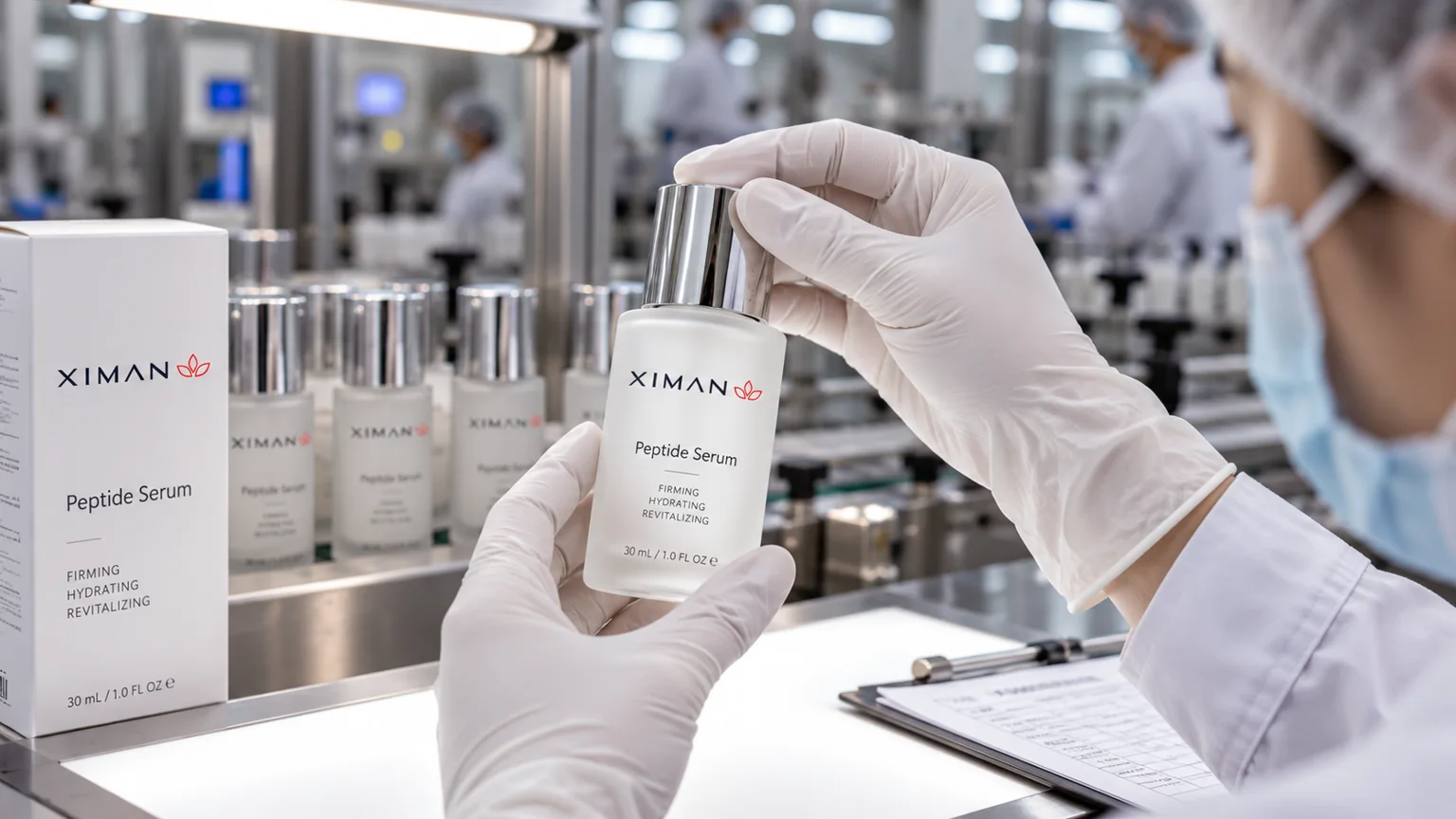
Choose packaging using product and dispensing evidence
Compare an airless pump and a dropper using the actual skincare formula, intended dose, protection needs and consumer routine. Compatibility, leakage, reliable dispensing and accessible product matter alongside presentation and component cost.
An airless dispenser may limit repeated direct product contact and certain forms of air exposure during use. A dropper can provide a familiar serum ritual and visible texture. Neither format guarantees sterility, prevents all oxidation or eliminates the need for appropriate testing.
Compare the full product system
| Decision | Airless pump | Dropper bottle |
|---|---|---|
| User experience | Controlled pump delivery | Adjustable dropwise use |
| Formula fit | Must prime and dispense at intended viscosity | Must flow through pipette and neck |
| Consumer handling | Usually less opening of product reservoir | Frequent opening during use |
| Packaging complexity | Multiple functional components | Bulb, pipette, wiper and closure interfaces |
| Testing focus | Actuation, dose consistency, evacuation, leaks | Seal, pipette fit, leaks, material compatibility |
Glass and plastic choices introduce further considerations: breakage, weight, decoration, transport and interaction with fragrance or formula components. A premium glass bottle may be attractive, but its shipping mass and handling risks should be evaluated rather than ignored.
Run a real filling and consumer use trial
Evaluate the intended pack filled with the actual formula, not merely a supplier's empty-container photograph. Test filling accuracy, closure torque or assembly parameters as appropriate, shipping orientation, leak resistance and dispensing across the anticipated product life. Include exposure to plausible storage temperatures. Check whether label application and batch coding remain legible on the selected surface.
For a viscous serum, poor dispensing may reflect package design or rheology rather than a manufacturing defect. The question is whether the supplier can diagnose and document the cause before commercial production.
Separate pack specification from pack availability
A “stock bottle” may still involve minimum quantities for the pump, printing, carton or custom color. Confirm component-level minimum order quantities, lead times, compatibility responsibilities and replacement-part control. If the package supplier changes a gasket or spring specification, ask whether the change requires testing before repeat production.
Compare the amount consumers can actually dispense
Nominal fill volume does not tell a brand how much product a consumer can use. Ask for a defined dispensing trial covering initial priming, dose consistency, repeated actuation and residual product at the end of use. Test the actual formula, because a pump that works with water may perform differently with a gel or emulsion.
For a hypothetical 30 g fill leaving 3 g of inaccessible residue, the mass-based evacuation is 90%. This calculation illustrates a comparison method, not a universal acceptance threshold. Specify how the remaining product is measured and when a pack counts as empty. Include foreseeable orientation and handling, and check for leakage after transport simulation where appropriate. An airless design may reduce particular exposures, but oxygen protection, material compatibility and preservative strategy still need evidence for the specific product and pack.
Frequently asked questions
Is an airless bottle necessary for every vitamin C product? No. Selection depends on the chemical form, overall formulation, expected storage and demonstrated pack compatibility.
Can a brand switch from a dropper to a pump without retesting? It should assess the change. New contact materials, dispensing behavior and exposure patterns may affect suitability.
Should pump dose be specified by weight or volume? Either can be useful if the method is clear. Weight measurements are often practical for comparison. Converting them to volume requires the product's density and suitable measurement conditions rather than assuming every serum behaves like water.
Next step: Send XIMAN the formula type, viscosity expectation, fill volume and target package references so the pack can be evaluated as part of development.
Sources & review date
- ISO 22716 manufacturing and control overview ↗ · Checked 2026-10-14
Sources and check dates are listed above; applicability depends on the destination market and product conditions.
Discuss your market and product
Share your destination market, product category, project stage and estimated quantity to plan the next step.