Trace materials and shipments in both directions
A useful batch-traceability system connects a finished unit to its formula version, ingredient and packaging lots, production records, release decision and shipments. It must also identify affected finished products when a raw-material supplier reports a problem.
A sophisticated dashboard is optional. The ability to reconstruct what happened to a specific batch is not. Buyers should understand how the manufacturer links materials, manufacturing operations, quality decisions and distribution records.
Follow one finished unit backward
Start with the code printed on the carton or bottle. Ask the manufacturer to demonstrate—using a redacted example—how that code links to its batch manufacturing record. The record should identify the formula version, production date, equipment, operators or authorized reviewers, critical manufacturing observations and applicable test results. It should also connect to the actual ingredient and primary-packaging lots used.
Traceability works in both directions. If a supplier discovers that an ingredient lot has a potential issue, the manufacturer needs to identify every finished batch that used it. That forward trace is frequently more operationally demanding than looking backward from one customer complaint.
Records worth checking during a supplier audit
| Record | Buyer question |
|---|---|
| Raw-material receiving record | Was the ingredient inspected and released before use? |
| Supplier lot and internal lot mapping | Can an external supplier alert be linked to affected production? |
| Batch manufacturing record | Which formula revision and process were actually used? |
| Packaging-component records | Which pump, cap, bottle and carton batches were packed? |
| Finished-product disposition | Who approved release, and against which specification? |
| Shipment record | Which customer shipments contain the affected lot? |
Retention samples and complaint investigations can support this evidence trail, provided they are identified, stored and governed under a clear policy. Records should be retrievable in a realistic time frame rather than reconstructed from memory.
Treat artwork as part of traceability
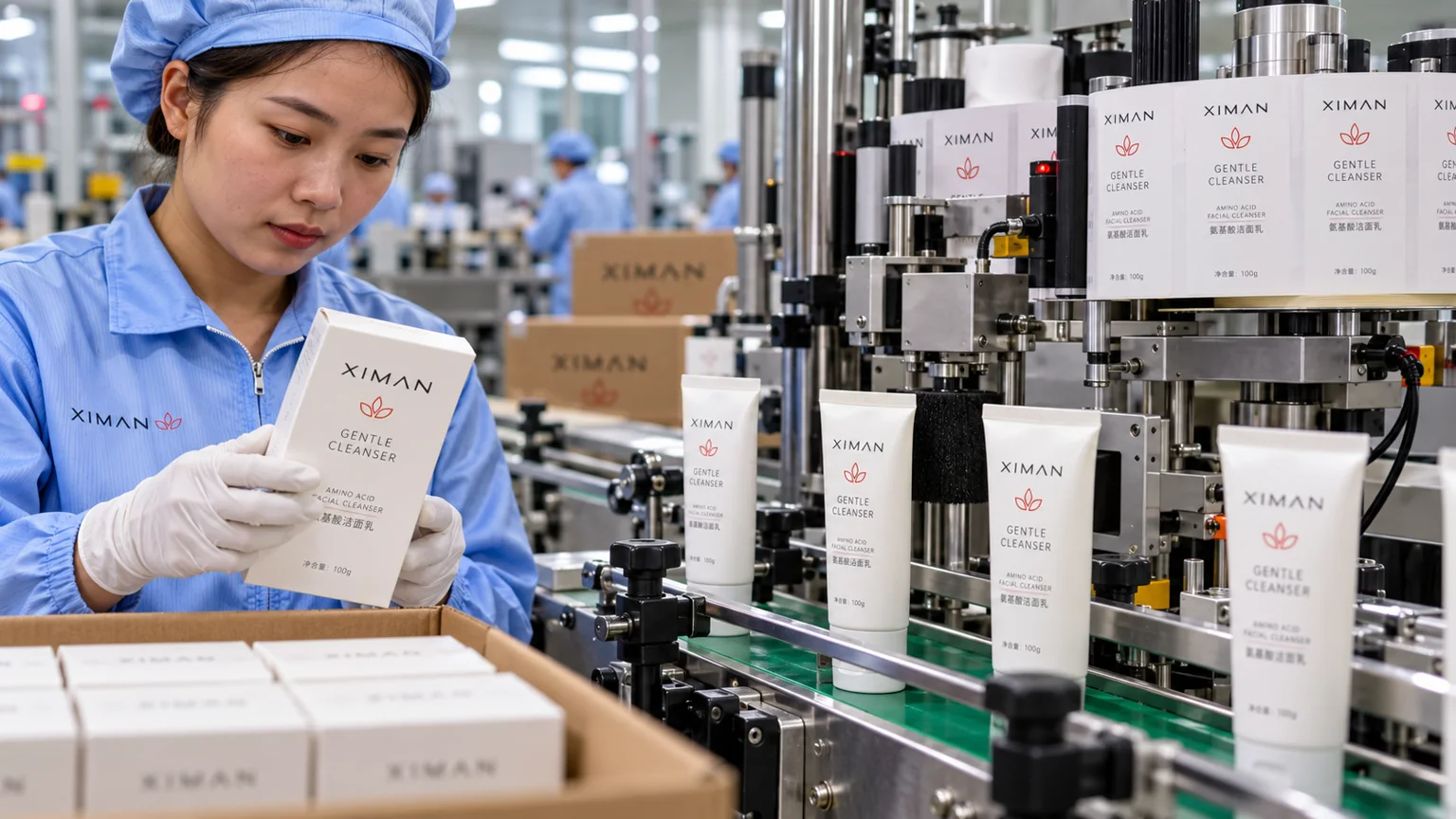
Brands often focus on ingredients and overlook label-version control. Yet a product with correct contents but incorrect warnings, market language or batch coding can still create a serious commercial problem. Ask how the line distinguishes a superseded carton from approved artwork and how an obsolete label is removed from circulation.
When multiple destination markets use the same bulk formula, documentation should show which packaging variant was used for each finished lot. A universal formula does not automatically mean universal legal labeling.
Run a mock recall exercise
Instead of asking whether a manufacturer “has traceability,” request an example of a trace-back or mock-recall exercise. The important measures are completeness, accuracy, time to identify affected lots, and whether discrepancies resulted in corrective actions. Do not accept screenshots that cannot be related to the actual production and shipment trail.
ISO 22716 provides a cosmetics GMP framework relevant to controls and records. It does not replace the supplier-specific evidence needed for a real product investigation.
Reconcile quantities during a traceability exercise
A mock recall should explain where affected material went, not simply produce a list of lot numbers. In a hypothetical exercise, 10,000 units were packed, 7,500 shipped and 2,300 remain in stock. The other 200 need an explanation: samples, rejected units, documented destruction or a counting error. These numbers illustrate reconciliation; they are not a factory performance claim.
Include split shipments, rework, relabeled units and stock held by third-party warehouses. If two ingredient lots were used in one bulk batch, both must remain connected to it. If one bulk batch was packed for two markets, the trail should distinguish the artwork and destinations. Agree who can retrieve these records when the usual account manager is unavailable. A recorded discrepancy and corrective action are more useful than an exercise declared successful without a quantity check.
Frequently asked questions
Can a QR code replace the batch record? No. A code can help retrieve information, but the underlying material and process records must exist and be reliable.
Does a contract manufacturer handle all recall obligations? That depends on market law and the contract. The brand should document decision rights, notification routes and access to records before launch.
Can one bulk batch have several finished-goods codes? Yes, for example when it is packed into different sizes or market variants. The records should connect every finished-goods code to its parent bulk batch and the relevant packaging and shipment records.
Next step: Ask XIMAN for a redacted traceability workflow and discuss which lot-level documents your brand needs at shipment.
Sources & review date
- ISO 22716 overview ↗ · Checked 2026-10-14
- FDA MoCRA overview ↗ · Checked 2026-10-14
Sources and check dates are listed above; applicability depends on the destination market and product conditions.
Discuss your market and product
Share your destination market, product category, project stage and estimated quantity to plan the next step.