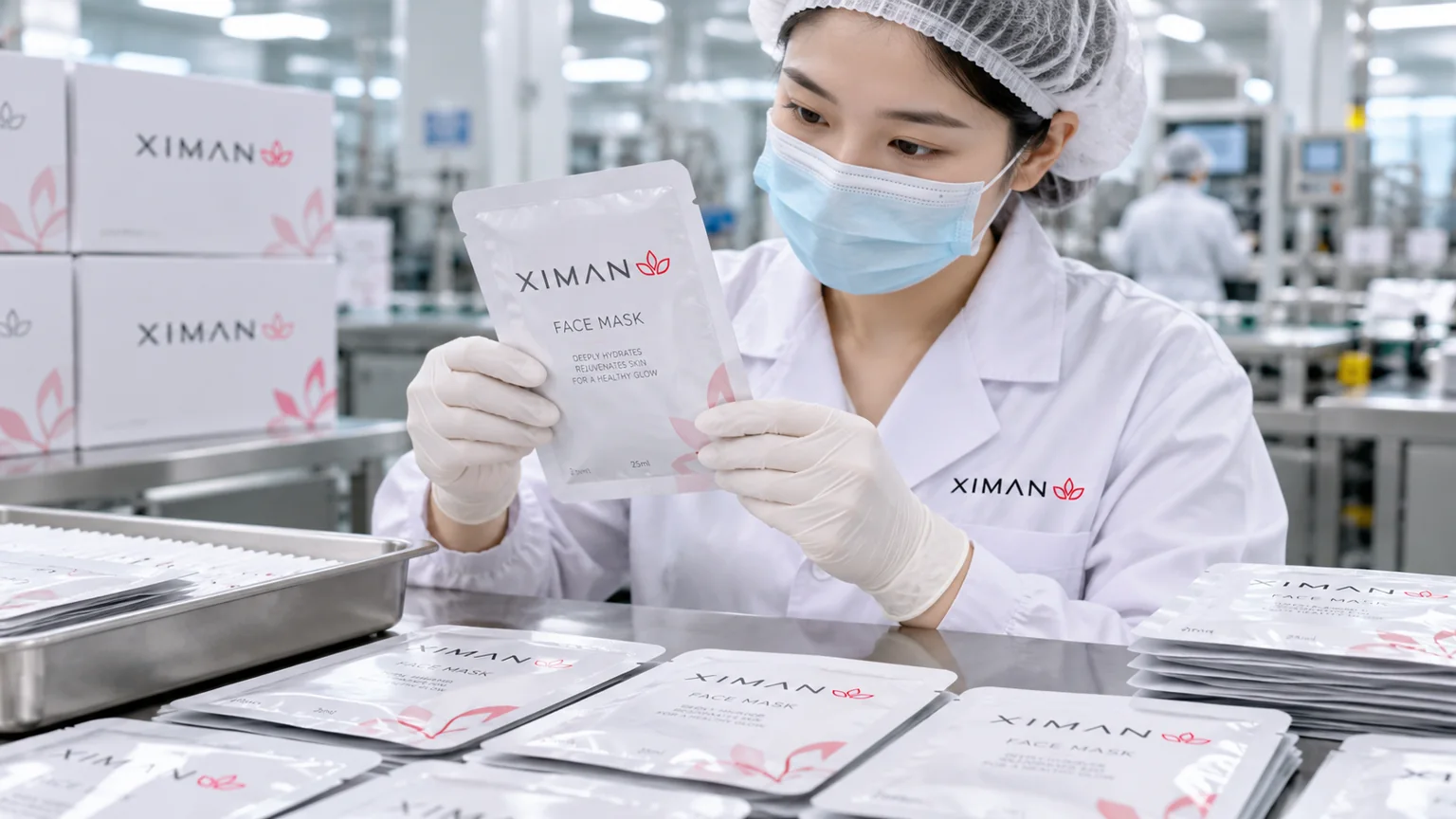
Tie export artwork to the final formula
Prepare export ingredient statements and label particulars from the approved formula and destination-market requirements. Version control and review before printing prevent a prototype ingredient list or outdated claim from reaching physical packaging.
The most common failure is a mismatch between the actual released formula and the ingredient list supplied to the artwork team. If the manufacturer changes a fragrance, preservative system or botanical blend after the first draft, the original INCI list may no longer be reliable.
Use a version-controlled label workflow
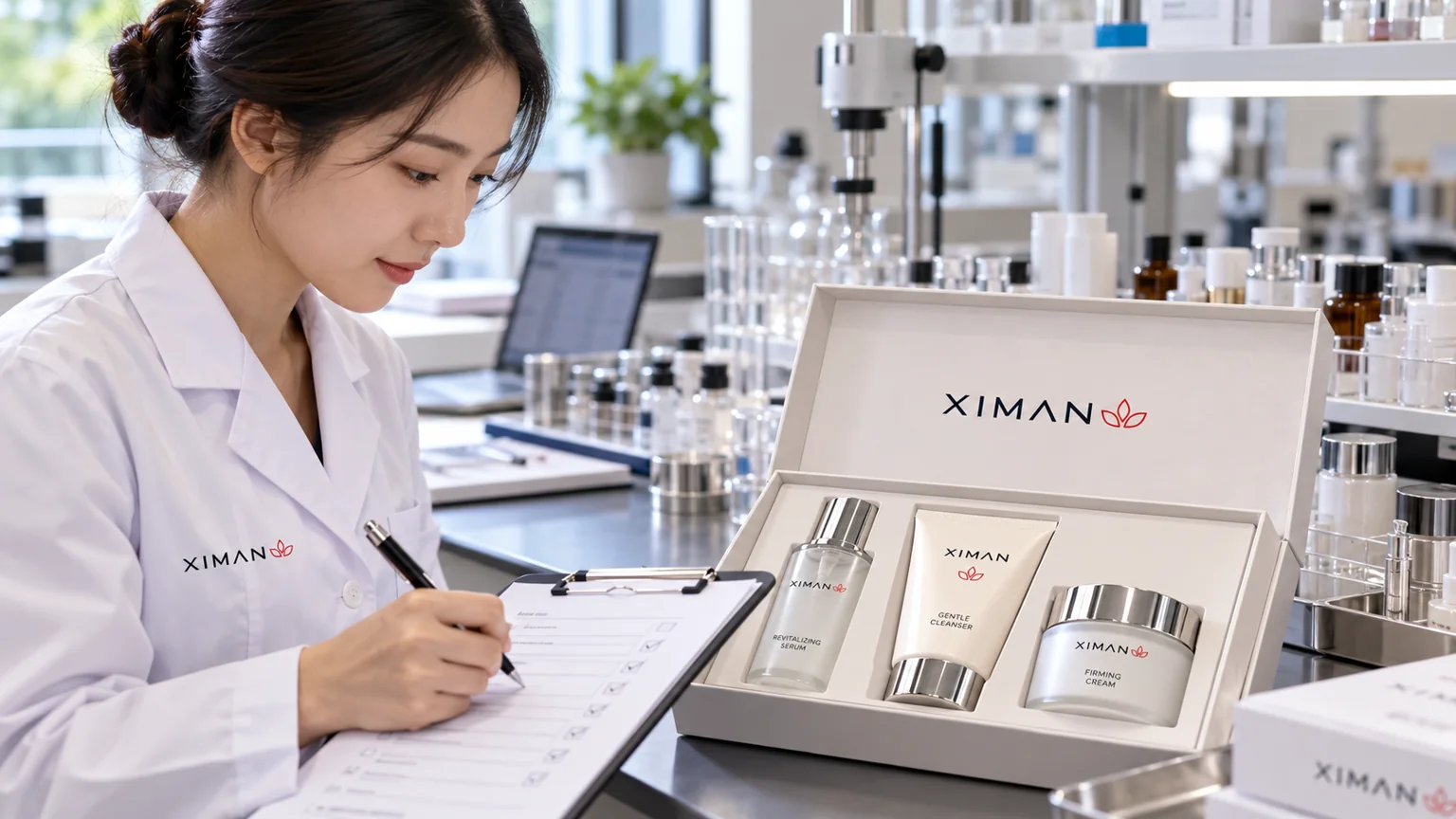
First lock the relevant formula identity, then obtain the ingredient statement based on that version. Ask an appropriately qualified market reviewer to check names, restrictions, declarations, warnings, language and mandatory particulars. Only after technical and regulatory review should the brand approve the print-ready file.
| Review item | Typical failure to catch |
|---|---|
| Product identity | Label describes a different formula or SKU |
| Ingredient declaration | Wrong names or outdated formulation revision |
| Responsible-person details | Incorrect market contact or address |
| Claims | Unsupported efficacy or drug-like statements |
| Allergens and warnings | Missing destination-market disclosures |
| Batch and date marking | Code area is too small or poorly positioned |
| Language and legibility | Required information cannot be readily read |
Do not copy another market’s artwork without review
EU labeling operates under the Cosmetics Regulation; Great Britain has its own applicable requirements; U.S. cosmetic and drug labeling questions differ; Australia includes industrial-chemical and consumer-product frameworks. A bilingual English-and-French carton, for example, may still be missing specific particulars for a targeted destination.
The exact ingredient naming and declaration rules depend on jurisdiction and product type. Avoid publishing blanket “global INCI ordering rules” without checking the applicable market text.
Make the pack physically readable
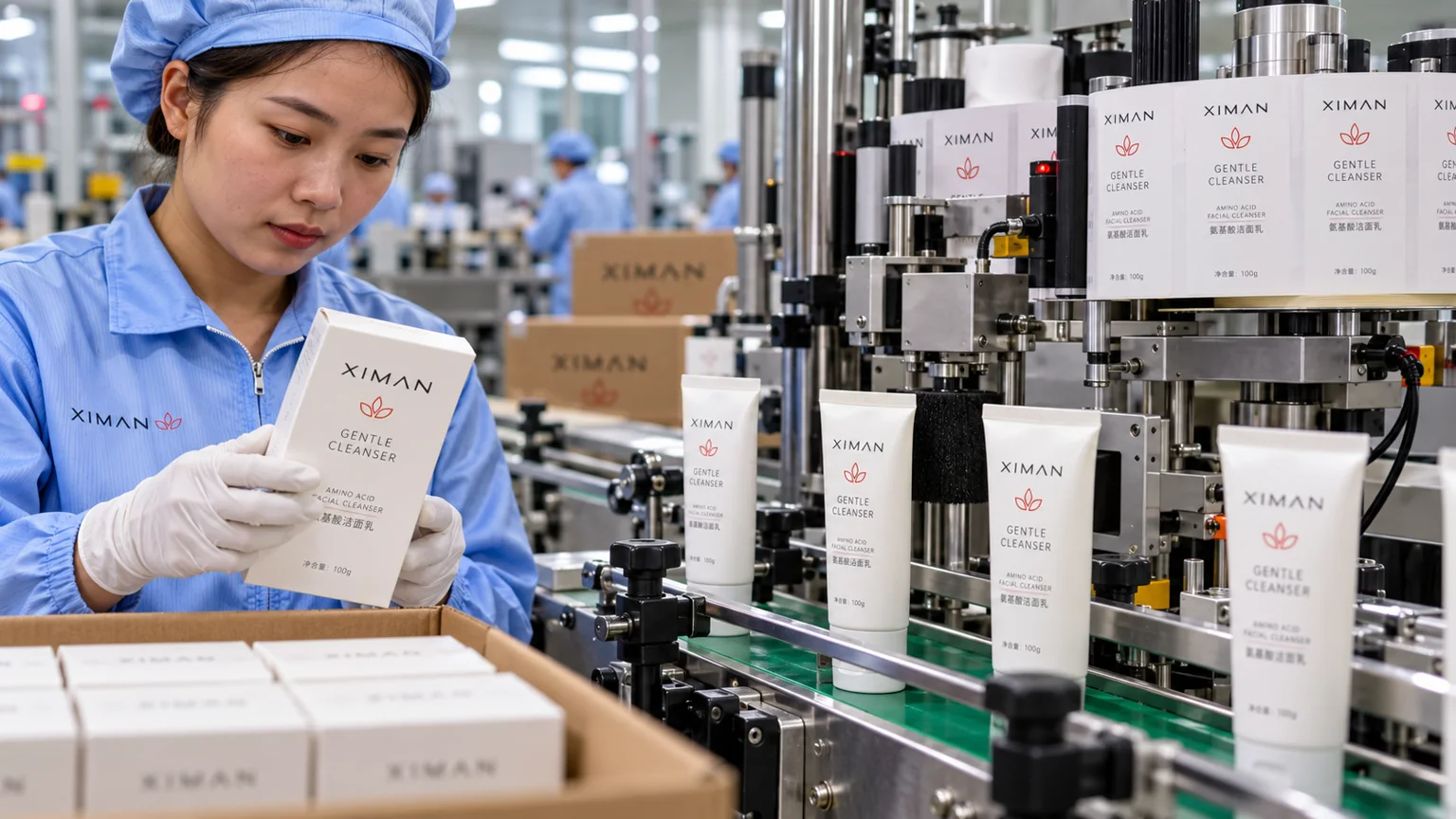
Even legally accurate text can fail as a printed object if it is too small, low-contrast, curved across an edge or obscured by decoration. Request proofs on the actual bottle or carton size. Confirm that batch codes will remain legible after filling, handling and normal use.
Expand commercial blends before creating the ingredient statement
A trade name on a formulation worksheet may represent several substances: the named active, carrier, solvent and preservation components. Ask for the composition information needed to prepare the market ingredient declaration. Do not copy trade names into artwork or assume only the marketing hero ingredient needs to appear.
Fragrance-allergen review also belongs to the final formula, not merely the fragrance supplier's undiluted certificate. Confirm the contribution of relevant materials at their actual use levels and use the current market rules. For EU artwork, the new placement deadline under the fragrance-allergen transition has already passed as of October 2026; check the status of any earlier stock separately. A final proof should be tied to the formula and market revision, with the physical coding area and legibility tested at actual size before the print run is authorized.
Frequently asked questions
Can the manufacturer approve the regulatory label for every country? The manufacturer can supply technical information, but final market compliance responsibilities should be explicitly assigned to qualified parties.
Can marketing change a claim after printing? Changing a claim can trigger re-review of evidence and market compliance, even if the physical formula is unchanged.
Can the commercial raw-material name be used as an INCI name? Only if it is genuinely the appropriate declaration under the destination rules. A trade name often represents a blend and cannot substitute for the required ingredient identities. Obtain the manufacturer and supplier data needed for a correct statement.
Next step: Give XIMAN your destination markets and latest approved formula ID so labeling data and artwork can be aligned before printing.
Sources & review date
- UK cosmetics labeling overview ↗ · Checked 2026-10-14
- FDA U.S. cosmetics law and labeling context ↗ · Checked 2026-10-14
- EU fragrance allergen labeling ↗ · Checked 2026-10-14
Sources and check dates are listed above; applicability depends on the destination market and product conditions.
Discuss your market and product
Share your destination market, product category, project stage and estimated quantity to plan the next step.