Connect the approved sample to the commercial process
Scale-up should demonstrate that the approved cosmetic formula can be reproduced on the intended equipment, transferred and filled into its commercial pack while meeting agreed specifications. The evidence needs to connect the laboratory sample, pilot work and first production batch.
A useful product approval therefore has two parts: approval of the formula and approval of the process that reliably reproduces it. Before confirming a commercial purchase order, ask what evidence connects the final laboratory sample to production equipment.
Translate the formula into controlled operating instructions
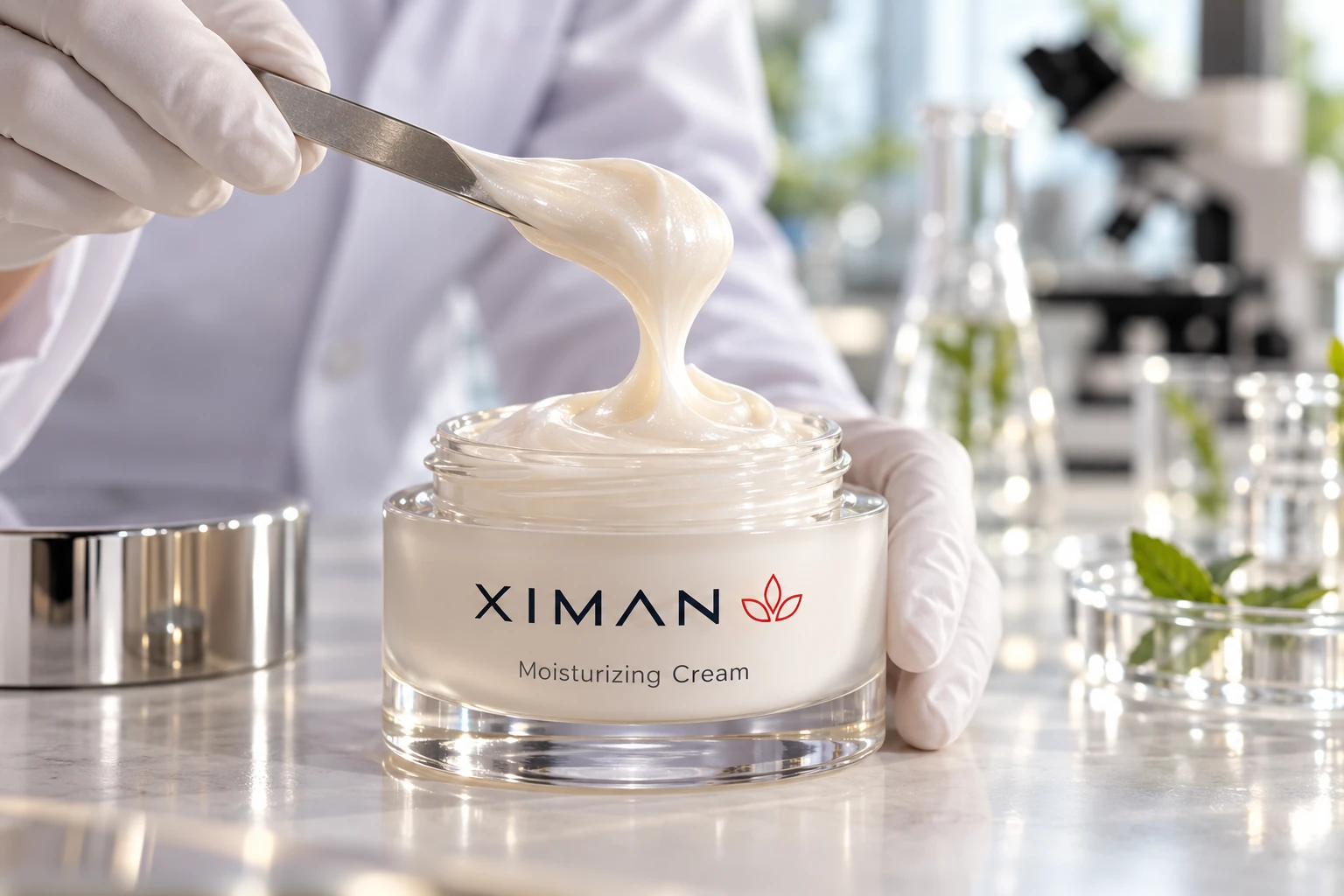
The technical team should record more than an ingredient list. The manufacturing instruction needs a defined charging sequence, mixing temperatures, approximate hold times, equipment configuration, mixing speed or a validated equivalent, cooling conditions, in-process checkpoints and acceptable ranges. A thick oil-in-water cream might be particularly sensitive to when the thickener hydrates and when fragrance is added. A clear serum might be sensitive to addition order and dissolution time.
These are process-development considerations, not universal settings. A supplier that claims one mixing profile suits every formula should be questioned.
Use a pilot batch to expose scale dependent risks
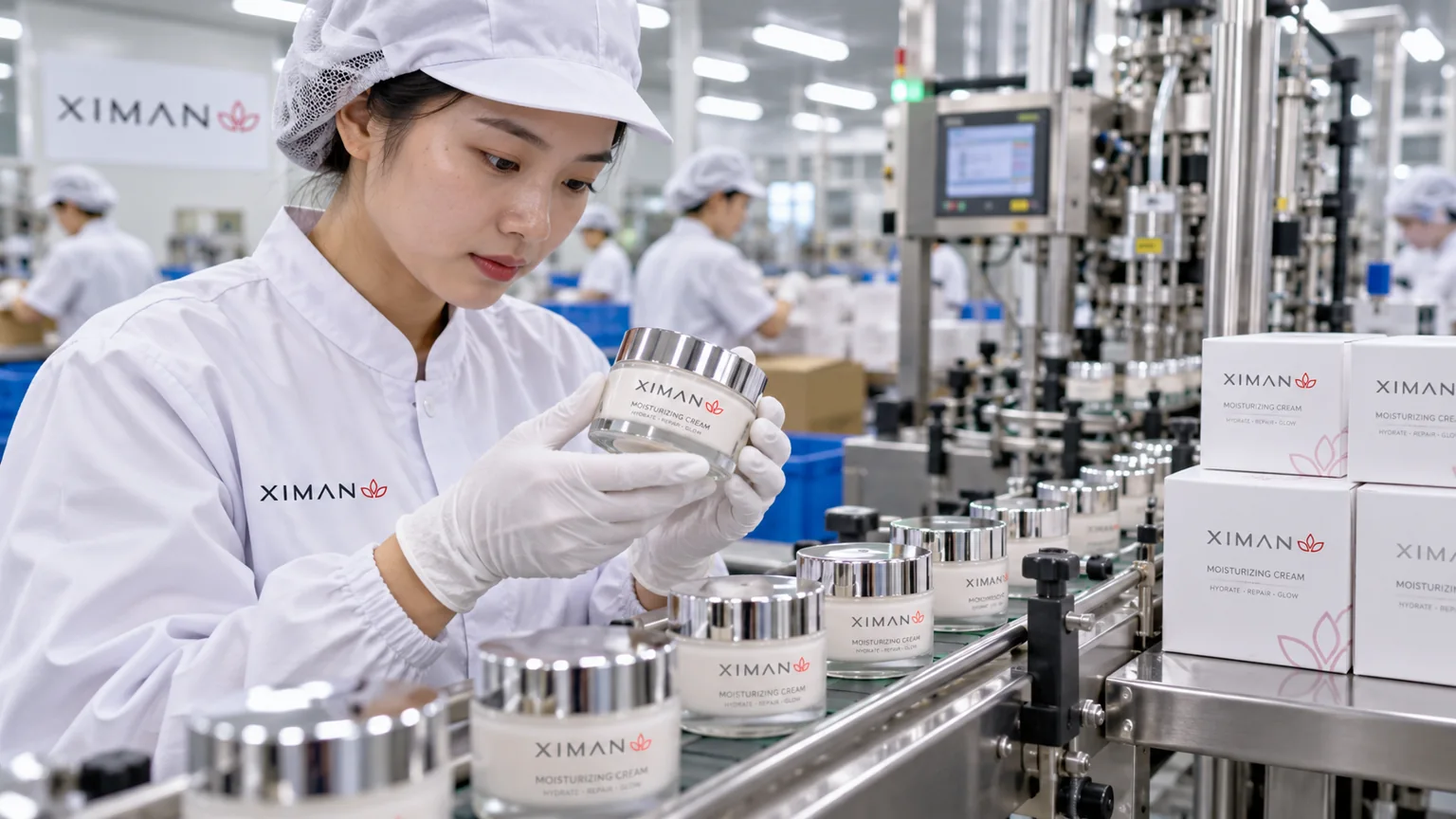
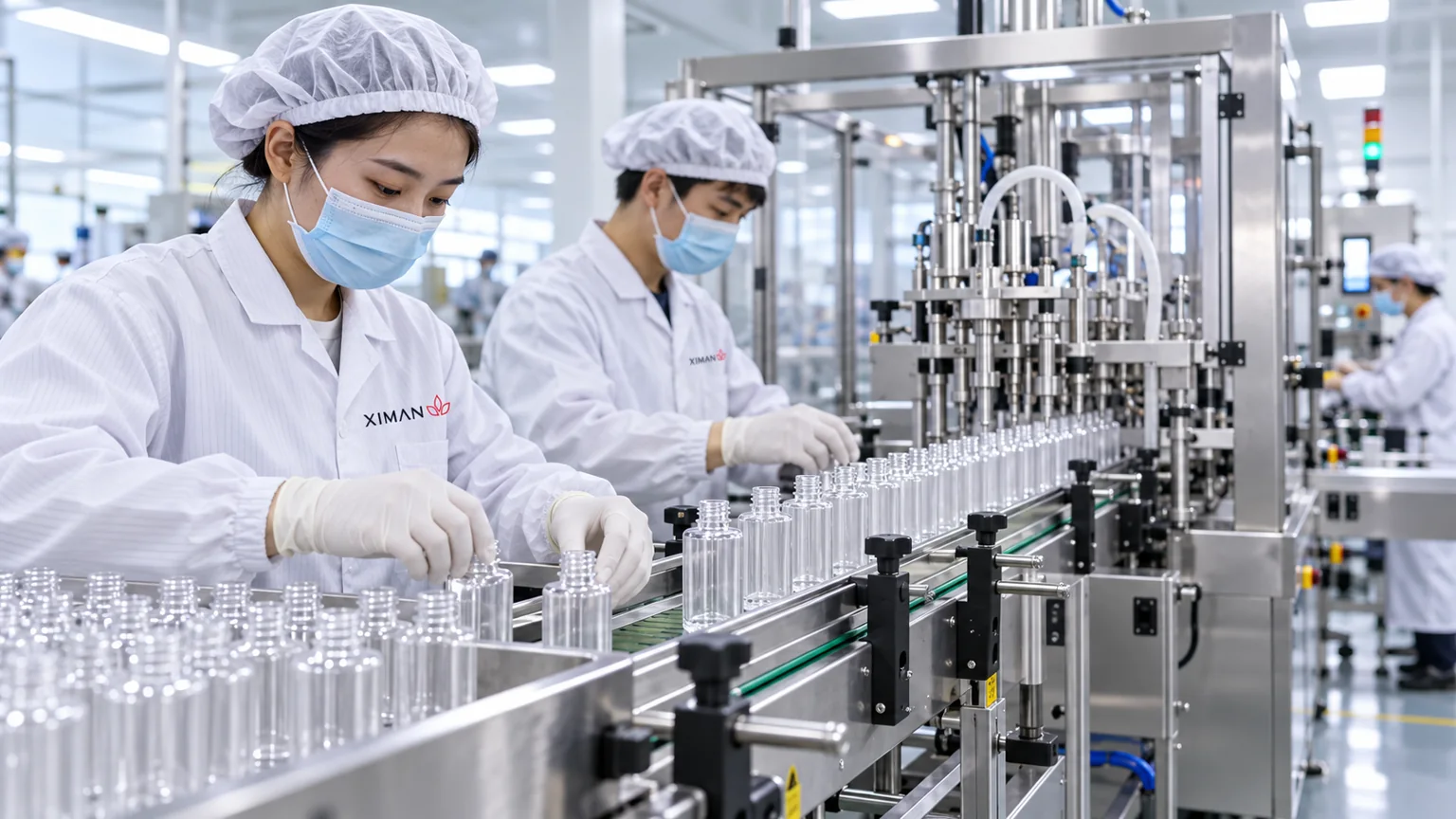
The pilot run should test what the laboratory cannot: real mixing geometry, transfer pumps, filling speed and realistic packaging. Compare retained samples from the laboratory, pilot and intended first commercial batch under the same methods.
| Decision gate | Evidence to request | What it prevents |
|---|---|---|
| Formula lock | Approved master sample and revision number | Uncontrolled ingredient substitutions |
| Pilot mixing | Batch record and in-process results | Undetected process drift |
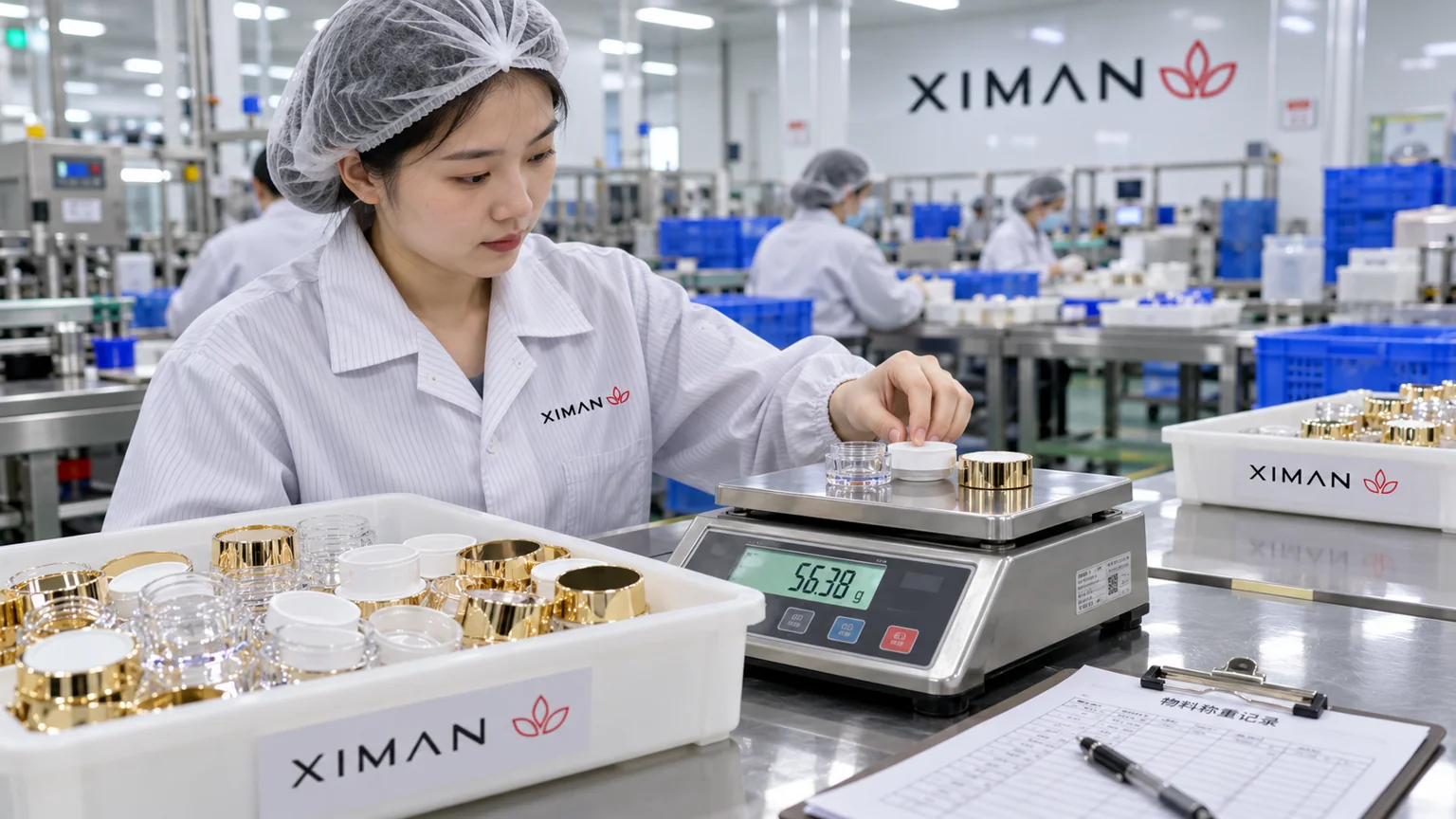
| Filling trial | Fill-weight distribution, leakage and line observations | Packaging and line incompatibility |
| Stability review | Test protocol, observed results and open risks | Premature shelf-life assumptions |
| Release approval | Agreed specifications and responsible sign-off | Shipping before quality disposition |
Define what constitutes an acceptable deviation
A pilot batch is allowed to reveal problems; its value is in documenting and correcting them. Agree in advance which changes require written brand approval. A change in processing temperature may be minor in one formula and critical in another. A new preservative, fragrance or container may require a wider reassessment, including stability or microbiological protection testing.
Ask whether the manufacturer can trace changes from a laboratory trial to an updated batch manufacturing record. This is more informative than a promise of “consistent quality.” ISO 22716 describes good manufacturing practice guidelines for cosmetics production, control, storage and shipment; it is a useful reference for discussing process controls, but citing the standard is not proof that a particular supplier is certified.
What should a brand approve before a purchase order
Approve the current formula revision, target sensory profile, agreed test specifications, packaging components, label artwork, pilot conclusions and documented unresolved risks. Confirm who may authorize substitutions and who has final batch-release authority. For an export project, align destination-market regulatory review with the manufacturing schedule—not after the bottles are filled.
The most expensive production issue is often one that both sides assumed somebody else had checked. A short written scale-up sign-off can prevent that ambiguity.
Diagnose a pilot batch that differs from the approved sample
If a pilot cream is thinner than the laboratory sample, first compare measurements at the same temperature and after the same resting period. A freshly filled sample and a sample that has rested overnight are not equivalent observations. Record the instrument settings as well as the result. Then examine hydration time, heating and cooling history, homogenization, transfer and filling in sequence. Changing the thickener immediately can conceal a process problem.
For a filling trial, identify samples from the beginning, middle and end of the run. Compare their appearance, agreed physical specifications and package function. This helps distinguish a vessel-wide difference from settling, transfer effects or a filling-line problem. The number of samples and limits should follow the project's risk assessment. Release should depend on a documented disposition of discrepancies, with an approved reference retained for repeat orders.
Frequently asked questions
Is a pilot batch necessary for every repeat order? Not necessarily. Its value is greatest for new formulas, new equipment, major process changes or new packaging. Established products can use a risk-based change-control process.
Does a passed laboratory stability test guarantee production stability? No. It provides useful evidence for the tested sample, but production-scale changes and the final pack still require appropriate evaluation.
Should production use the same mixer rpm as the laboratory? Not automatically. Vessel geometry, impeller design and batch volume affect mixing. Ask how the manufacturer establishes suitable scale-up conditions and verifies the resulting product rather than copying one speed setting.
Next step: Send XIMAN a product brief, approved reference sample and intended pack format to discuss what scale-up evidence your project should require.
Sources & review date
- ISO 22716 overview ↗ · Checked 2026-10-14
Sources and check dates are listed above; applicability depends on the destination market and product conditions.
Discuss your market and product
Share your destination market, product category, project stage and estimated quantity to plan the next step.