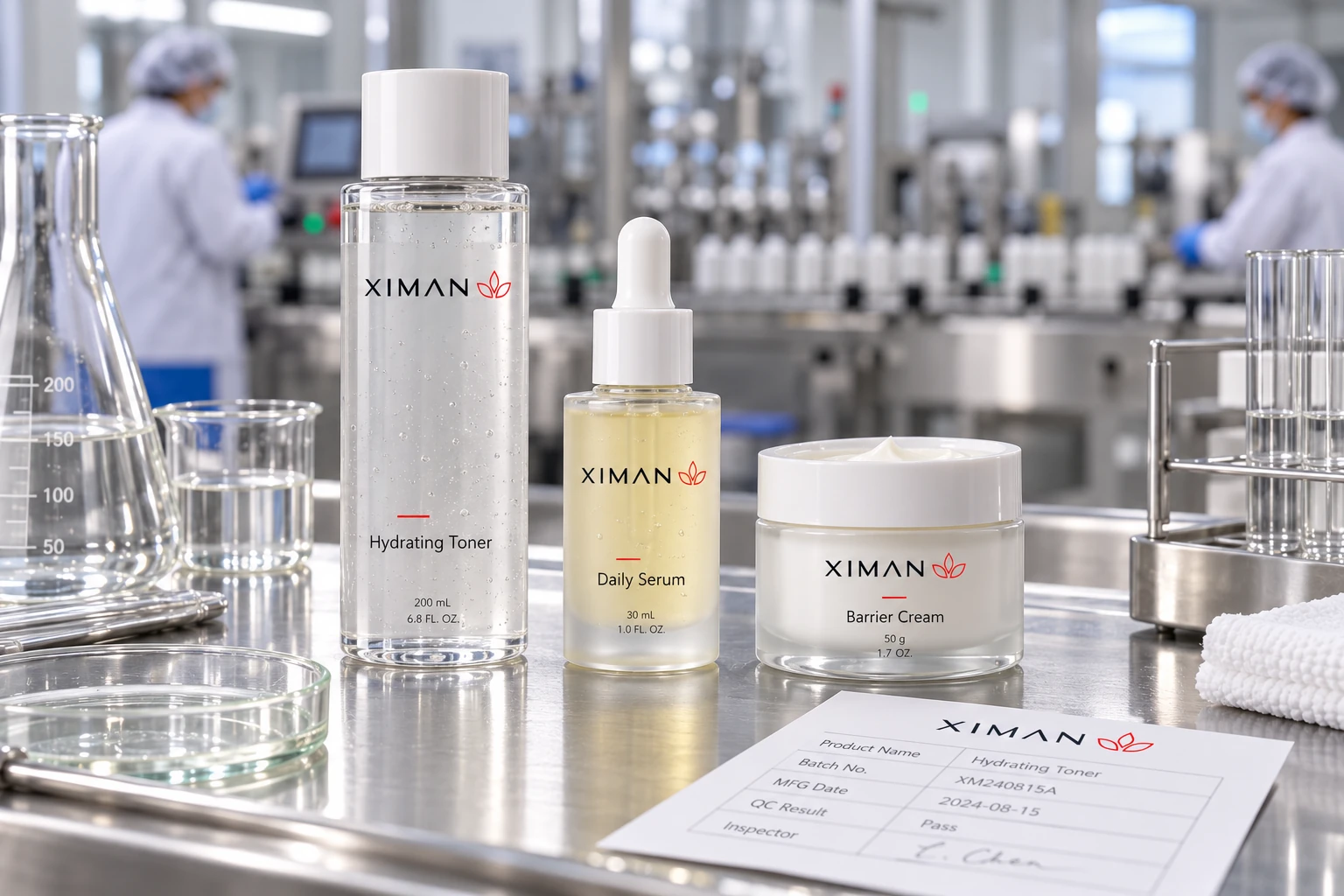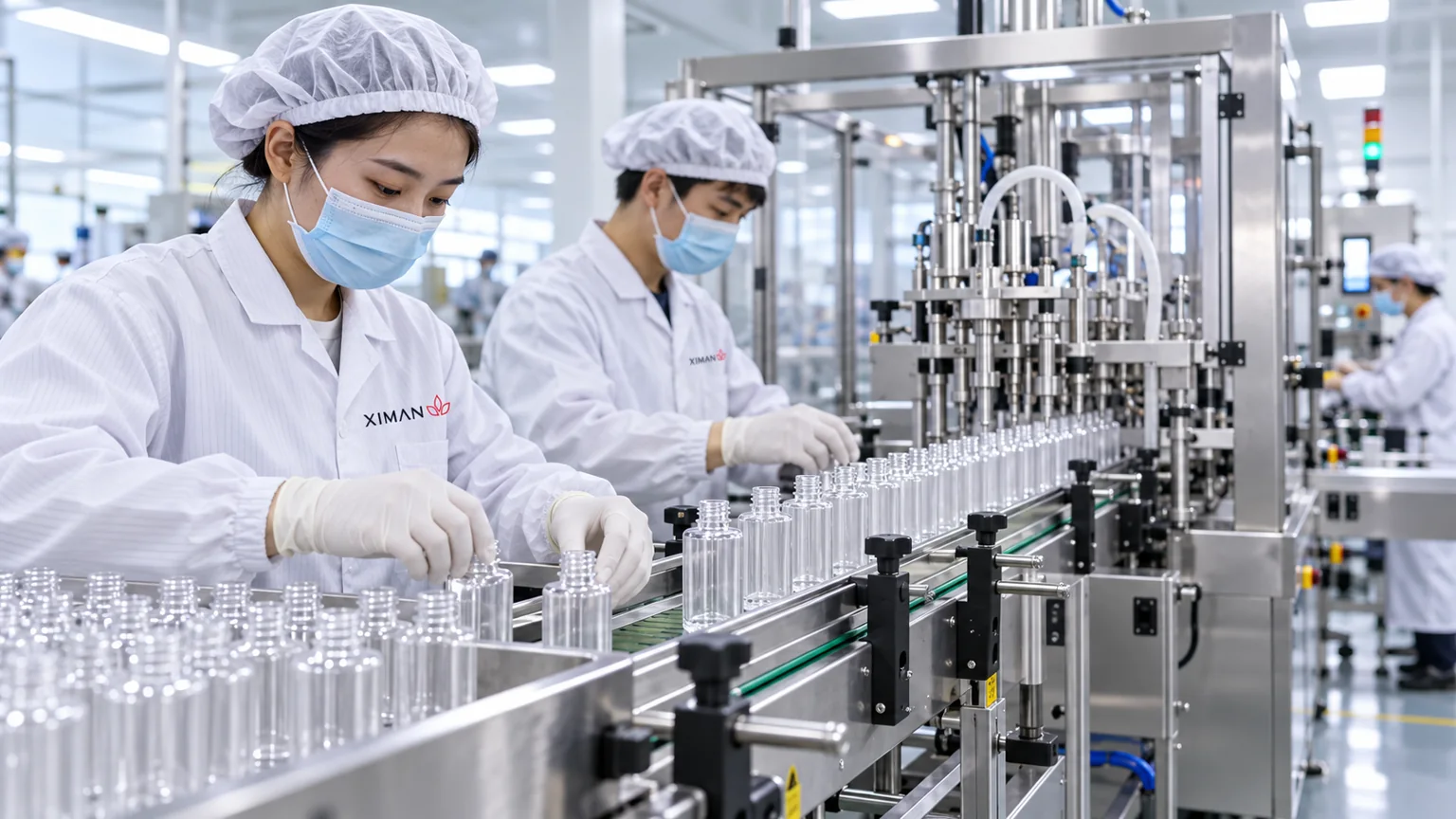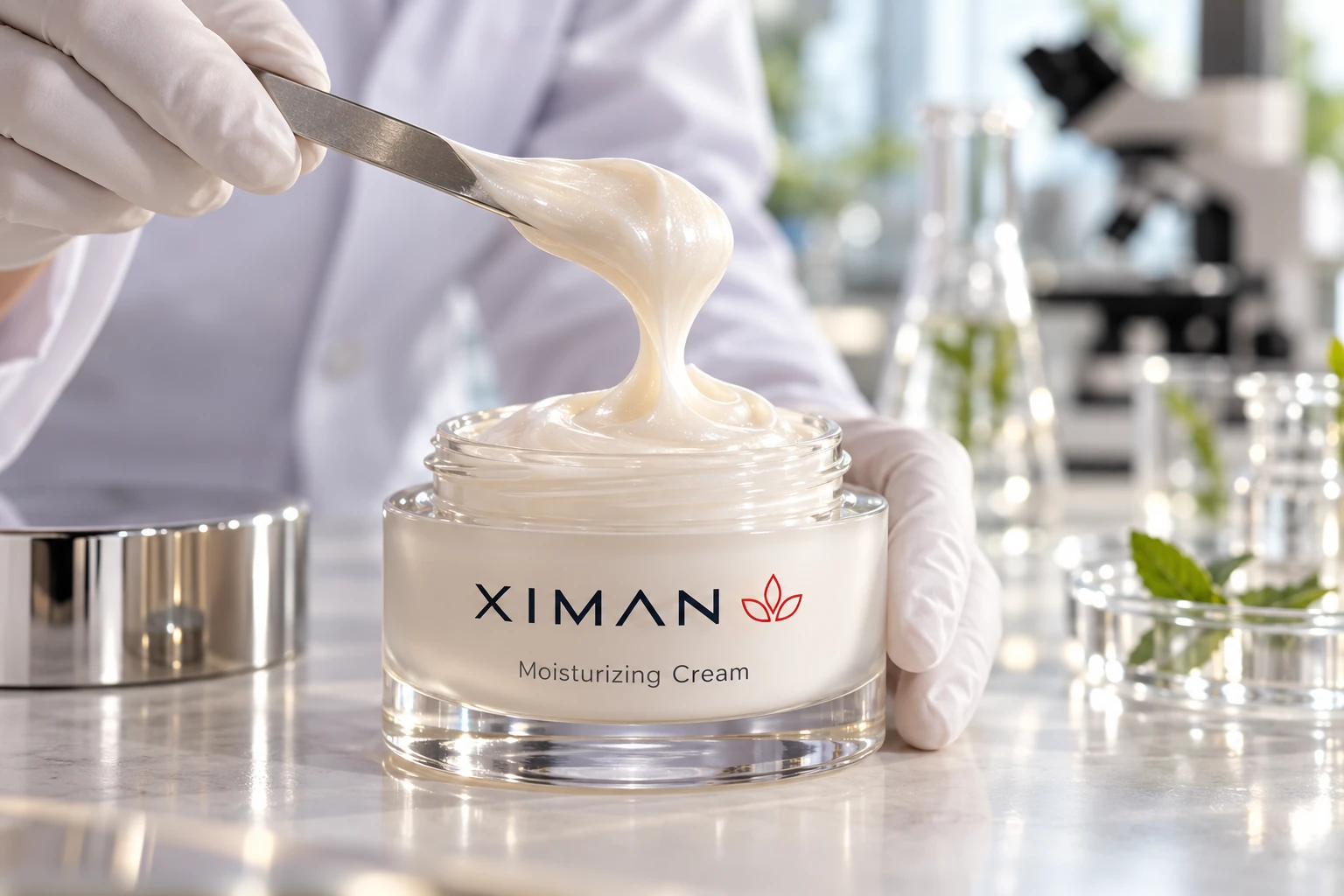
The key to skincare OEM sampling to production is clear release criteria at each stage. Connect sample approval, component approval, scale-up, first production and finished-product inspection through traceable records.
Agreeing a price does not complete the preparation for production. Sampling and approval establish the product reference before a bulk order advances.
Step one: define requirements and begin sampling
Issue a versioned brief with product use, target texture, reference sample, ingredient constraints, pack, destination market and commercial boundaries. Agree what the first prototype is meant to resolve. Keep samples identifiable by formula version and date, rather than approving an untraceable photograph or verbal description.
Step two: refine and approve the sample
Compare revisions under a consistent dose, routine and environment. Separate measurable observations from preferences, rank the issues and record the decision for each version. Keep the accepted reference and written specification together; changing fragrance, ingredients or packaging may require further verification.
Step three: prepare and check packaging
Coordinate component procurement with sample, artwork and compatibility decisions. Incoming checks should address quantity, damage, printing and suitability for the product and equipment. Component delays or defects can affect the production schedule, so track this work early.
Step four: determine scale-up and production controls
A new formula, complex process or first transfer may require pilot work or production-condition verification. Established projects may follow a different approved process. Bulk production should use the agreed quality criteria and retain applicable batch records.
Step five: inspect and release the shipment
Arrange the agreed inspection, whether performed by your team or an appointed assessor, covering quantities, appearance and packaging. Coordinate component delivery and production scheduling before fixing a sales launch. Release the shipment according to the agreed conditions.
Starting production before formula and packaging decisions are settled creates avoidable rework risk. Use a release checklist: approved formula and sample, agreed specification, component and artwork approvals, required evidence, responsibility for inspection and a production record reference. No customer case or promised saving is implied by this checklist.
Production assessment: key points to control
An approved reference sample and a written specification complement each other. Numerical criteria belong in the specification, while a sample can assist assessment of skin feel, fragrance and appearance.
Moving a laboratory formula to production is an engineering task. Equipment shear, temperature, addition sequence and batch size can affect the result. Evaluate pilot or scale-up work where the formula and process require it.
Assess whether each change requires verification. A new ingredient supplier, pump, bottle material, fragrance or important process setting should not automatically be treated as insignificant.
Control points between sample and production
| Stage | Confirm | Common risk |
|---|---|---|
| Requirements freeze | Product brief, target market and key specifications | Frequent changes during the project |
| Sample approval | Version reference and sensory or specification baseline | No shared approved reference |
| Component approval | Material, dimensions, print and compatibility | Mismatch with product or equipment |
| Scale-up or pilot | Process parameters and equipment suitability | A good laboratory sample that does not transfer well |
| First production | First-piece checks, process quality and batch records | Looking only at the finished result |
| Shipment release | Quantity, appearance and documents | Unclear acceptance criteria |
Frequently asked questions
Will bulk production be identical in every respect to the sample? Define critical specifications and acceptable variation rather than relying on an absolute promise of identical results.
When should components be purchased? Coordinate sample approval, artwork, compatibility and lead times to avoid committing to an unsuitable version.
Does every product need a pilot batch? The decision depends on the formula, equipment and established process. Complex or first-transfer projects deserve particular attention to scale-up.
Key conclusion
Use decision milestones, not a universal number of weeks: brief accepted, sample approved, package and evidence reviewed, production authorized, inspection completed and shipment released. Identify who signs off each stage and what remains unresolved. Bring the formula feedback record and quotation checklist into the same project file.
Discuss your project with XIMAN
XIMAN can explain the relevant stages from sample approval and component preparation to production verification and quality inspection for your product type.
Sources & review date
- XIMAN project preparation and sourcing guidance ↗ · Checked 2026-10-11
Sources and check dates are listed above; applicability depends on the destination market and product conditions.
Discuss your market and product
Share your destination market, product category, project stage and estimated quantity to plan the next step.