R&D capability involves more than a laboratory and equipment. Assess whether the team can turn a market need into a technical proposal, identify formulation risks, perform suitable verification, scale a laboratory sample for production and explain the basis for its decisions.
Overseas buyers sometimes compare only price and MOQ. Limited development capability can make meaningful product differentiation harder. These checks help assess whether a skincare manufacturer can support your new product.
Check the technical team and laboratory
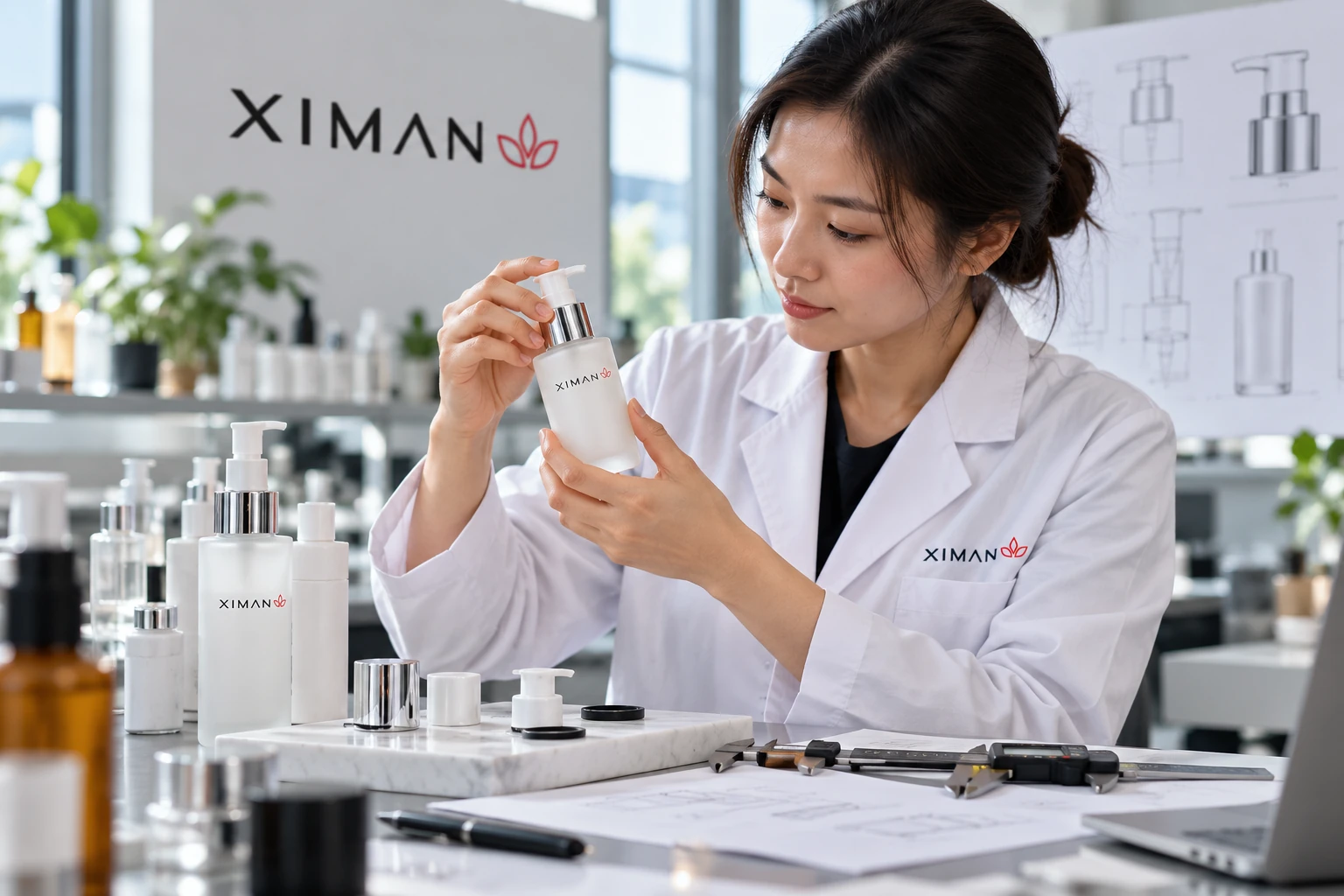
Ask who develops the formulas, how the team works and whether a laboratory can be shown on-site or by video. A filling operation without development facilities may rely on existing formulas or outside development, so clarify how custom changes would be supported. Speak directly with technical staff and ask specific questions.
Review established formula experience
A catalogue of established formulas can help you understand previous development work across moisturizing, cleansing, brightening or anti-aging concepts. The number of formulas is only a starting point; maturity and verification matter. Adapting an established formula may be faster than beginning from scratch, while a completely new brief can need more time and development work.
Assess sampling and testing
Discuss sampling time, revision arrangements and relevant stability, preservative efficacy or claims-support testing. Ask which tests are performed internally and which use an independent laboratory. A relevant report helps you understand the methods and actual work completed. Approving texture alone without suitable verification can leave risks such as separation, discoloration or microbiological deterioration unresolved.
Look for reasoned technical advice
An effective development team should assess the brief rather than simply agree with every request. Ask it to explain ingredient options, technical limits and likely cost implications. Reasoned advice is more useful than a polished brochure. Investigate answers that contain promises but no discussion of risk.
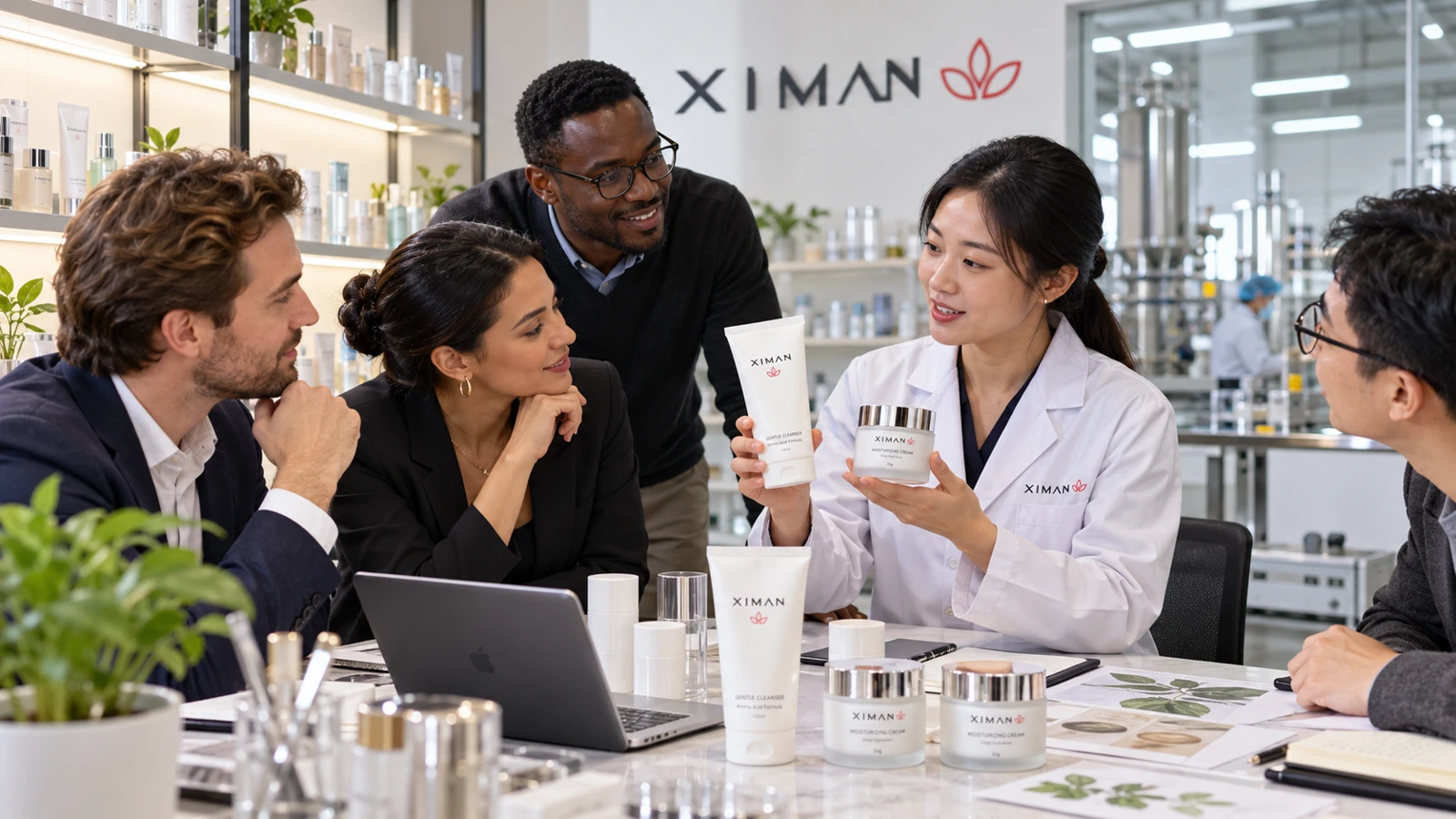
Customers sometimes approach us with a competitor product image and ask whether we can make something similar. We first clarify the target skin type and core product proposition, then ask a formulator to assess the approach before quoting. A clearer brief usually helps the sample move closer to the intended result.
R&D judgment: assess outputs
Equipment, materials and staffing are inputs. Look at outputs: technical briefs, sample version records, stability observations, reports, production standards and documented issue reviews. These show how development operates in practice.
Ask five technical questions: Why choose this emulsification system? Which ingredients could affect stability? How might the packaging interact with the formula? What changes when moving from 100 grams to 100 kilograms? What needs reassessment if the destination market changes? Answers need a clear rationale rather than unnecessary complexity.
Development should connect with quality management. Ask how specifications, inspection requirements, sample retention and batch controls are established after formula approval. A disconnect between development and production can increase consistency risk.
Observable R&D strengths and warning signs
| Observation | A stronger development approach | A reason to investigate further |
|---|---|---|
| Understanding the brief | Asks about audience, market, texture and proposition | Immediately promises to make anything |
| Proposal rationale | Explains the ingredient system and formula structure | Lists fashionable ingredients without reasoning |
| Testing | Proposes relevant stability, compatibility and microbiology checks | Treats a pleasant sample as sufficient for production |
| Risk communication | Explains conflicts, limits and alternatives | Discusses no risks |
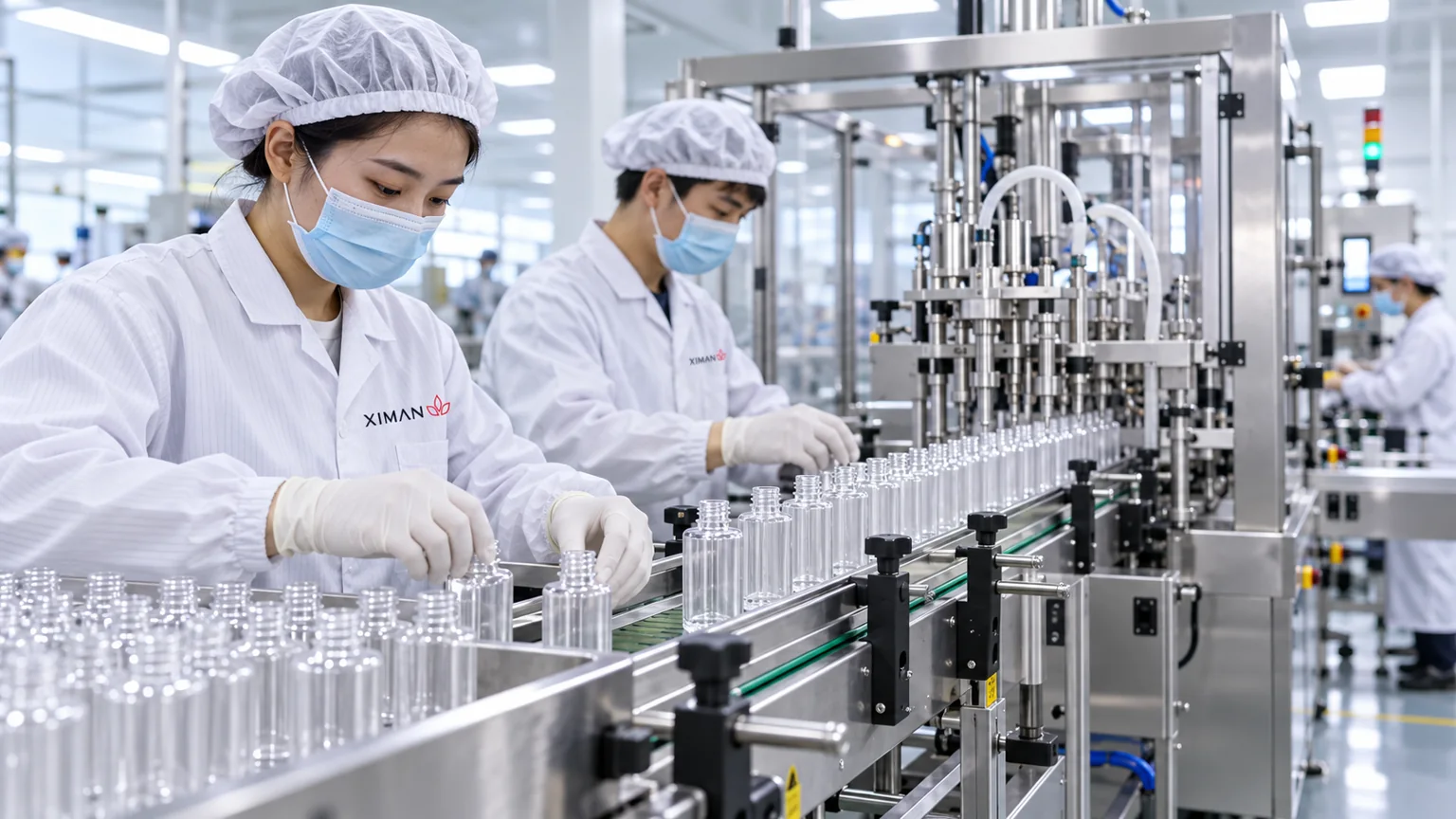
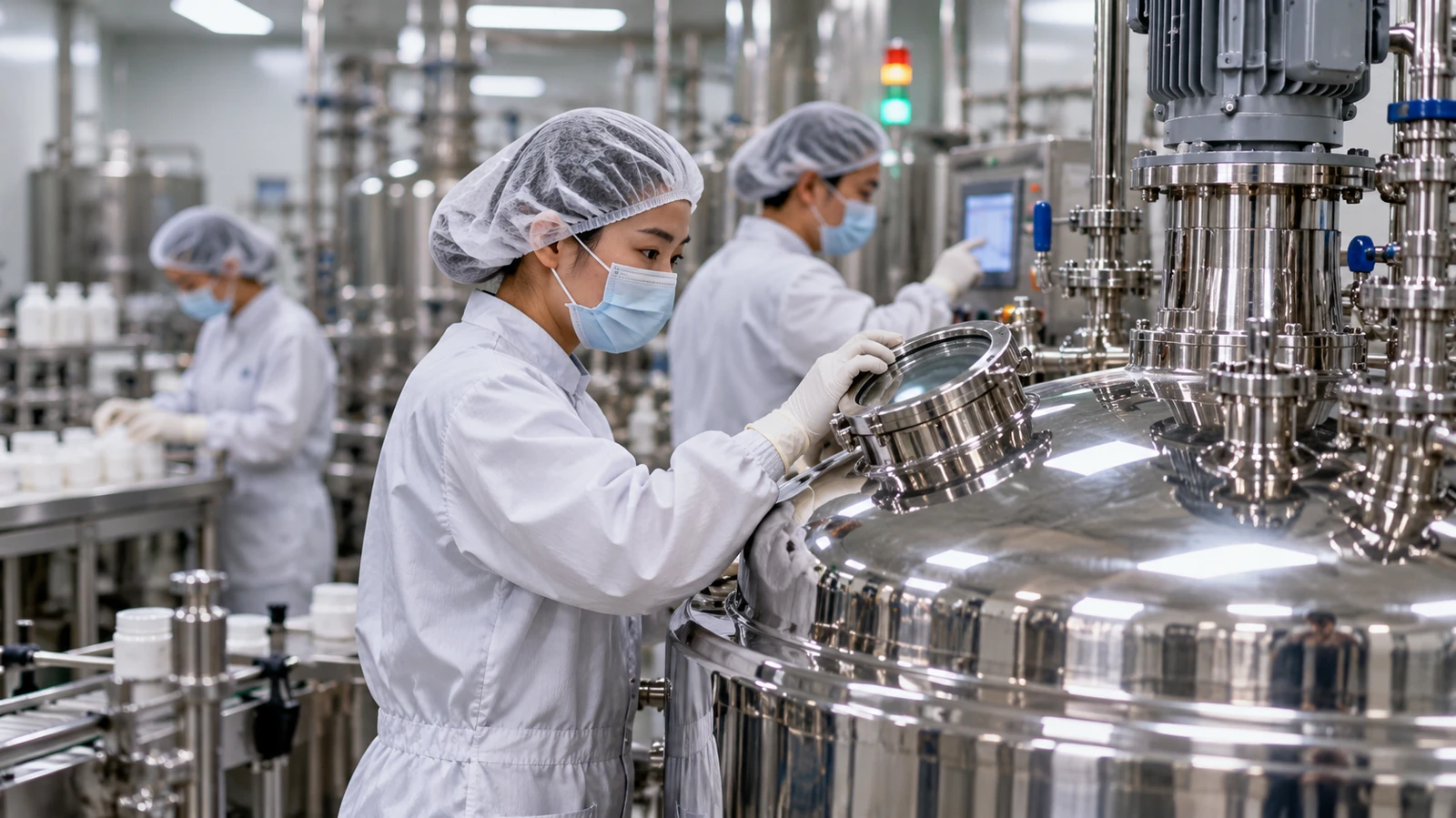
| Production transfer | Considers pilot work, equipment and process parameters | Moves directly from a laboratory sample to a full batch |
| Technical access | R&D participates in key discussions | All technical information passes through sales without clarification |
Buyer FAQs
Does a large formula library prove strong R&D? It shows part of the accumulated experience. Formula maturity, verification and adaptability to a new brief matter more.
Must every efficacy test be performed by the factory? No. Projects may combine internal and independent testing. The method, sample and result must be appropriate to the intended claim.
How can I assess the team quickly? Provide a specific product brief and request a formulation approach, risk assessment, testing suggestions and development route, rather than only a quotation.
Purchasing takeaway
Use a real brief to assess how the supplier responds. A reply explaining formulation, testing and risks gives you a better basis for discussion than price alone. A laboratory video review can add context. Thorough development assessment helps reduce avoidable production rework.
Next step: talk to XIMAN
Share a specific product requirement with XIMAN when assessing skincare development support. We can discuss the formulation approach, ingredient selection, verification and transfer to production.
Sources & review date
- XIMAN project preparation and sourcing guidance ↗ · Checked 2026-10-11
Sources and check dates are listed above; applicability depends on the destination market and product conditions.
Discuss your market and product
Share your destination market, product category, project stage and estimated quantity to plan the next step.