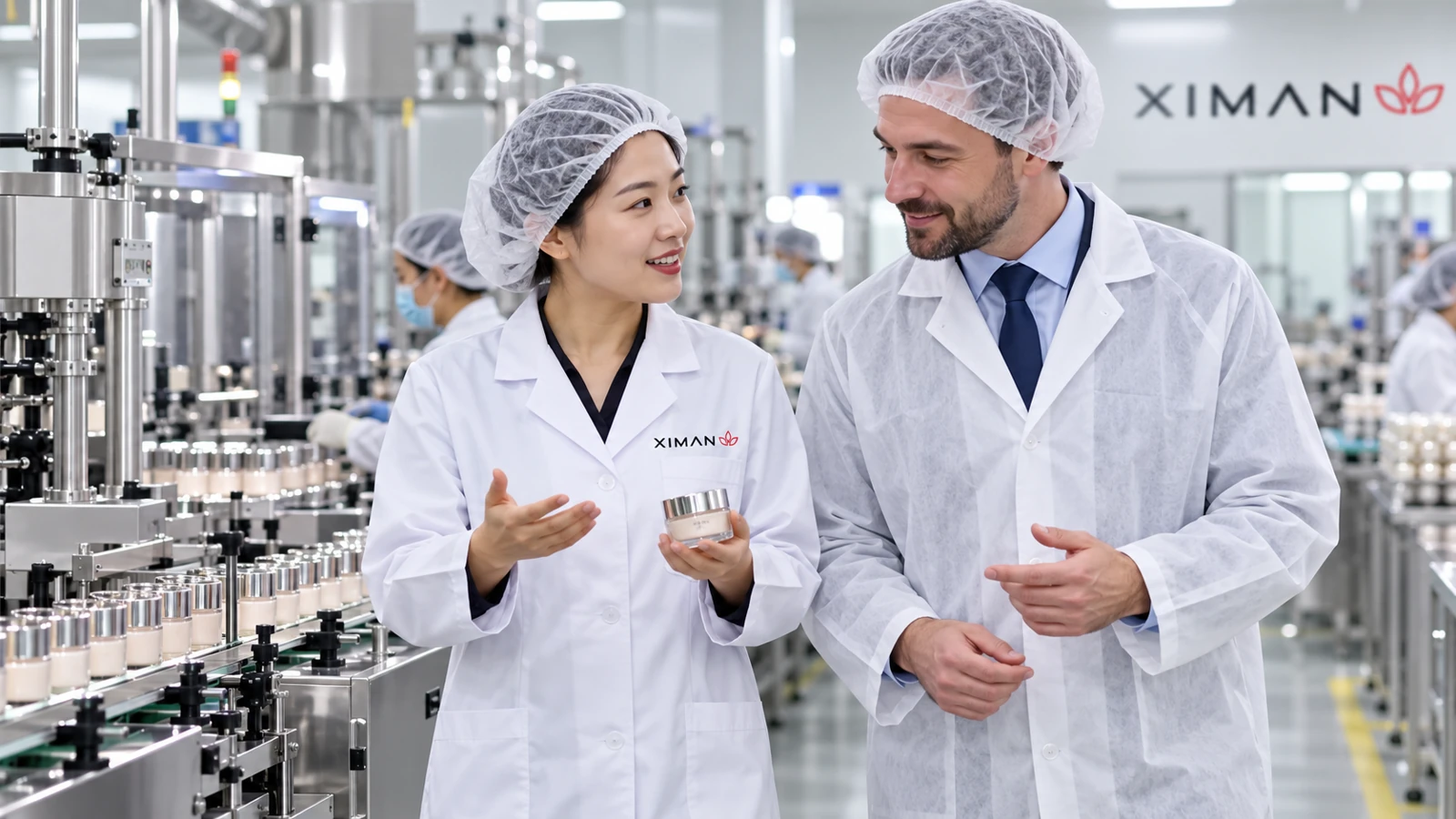
Chinese skincare OEM manufacturing is not the right route for every brand. A stronger fit usually combines a clear product direction, realistic production timing, sample approval against agreed quality requirements and an intention to reorder. Project readiness and working arrangements matter more than brand size.
Some buyers work smoothly with a Chinese OEM factory; others find that the model does not fit their needs. The following situations help you assess your own project.
Brands with repeat sales and replenishment needs
OEM projects generally have minimum order quantities. Established demand and repeat orders can make production planning and cost allocation more practical. A concept that has not yet been market-tested may suit a smaller initial commitment. Commercial production and sample development are different stages. A rough monthly forecast helps the manufacturer plan materials, while highly variable demand can complicate scheduling.
Buyers considering established private label options
A manufacturer’s established formula and packaging options can suit a buyer who wants to concentrate on branding and sales rather than develop from scratch. Buyers seeking a distinctive new formula need to assess development capability as well. OEM and ODM terminology varies between suppliers, so confirm the actual scope rather than relying on the label.
At the inquiry stage, we ask about expected sales and replenishment plans. These discussions are more productive when both parties understand the likely order size.
Buyers with realistic lead-time expectations
Sampling, custom packaging, production and inspection each need time. A highly customized OEM project is unlikely to suit a requirement for delivery within a few days. Planning one or two months ahead where practical can give the supplier more room to source materials and schedule production. Rushing necessary steps can increase quality risk; agree the actual project timeline with the supplier.
Buyers willing to test cooperation with a smaller order
A smaller initial production run can help both parties assess quality and coordination before increasing volume. Demanding a large order at the lowest possible price from the outset can make it harder to find a supplier willing to support development carefully.
Brands that value consistent long-term supply
Agreed formulas and processes provide a basis for consistent reorders when supported by suitable quality controls. A one-off purchase driven entirely by price may be a weaker fit for this type of cooperation. A shared long-term objective can make sampling and smaller starting orders easier to discuss.
Cooperation judgment: assess the capability you need
If you already have a formula and specifications, focus on manufacturing, quality and delivery. If you have only a product concept, focus on R&D, samples and project management. Clarify these needs when discussing OEM and ODM services.
A small brand can work directly with a factory where the product direction, MOQ, funding and timetable fit. Frequent changes and slow decisions can affect project efficiency more than company size.
Recognize when the project is not ready. If the audience, product and budget are still undefined, complex customization can lead to repeated samples and uncontrolled cost. Establish the basic positioning before moving into development.
Does OEM cooperation fit your situation?
| Your situation | Likely fit | Reason |
|---|---|---|
| An existing formula or clear specification needs reliable production | High | OEM execution suits defined specifications |
| A brand concept needs joint formula development | Moderate to high | The requirement is closer to ODM or custom development |
| Only a very small stock order is needed for testing | Moderate | Stock or small-volume private label options may fit better |
| A highly customized launch is required within days | Low | Development, packaging, testing and production need time |
| Repeat supply and consistency are priorities | High | Agreed formulas, standards and batch control become particularly valuable |
Brand owner FAQs
Can I contact a factory without existing sales? Yes, but start with fewer SKUs and a less complex project.
Can OEM suit an Amazon seller? It can, provided the formulation, label, applicable compliance work and replenishment plan meet the destination and channel requirements.
Do factories only want large customers? Suppliers have different operating models. Find one whose MOQ, service and project pace fit your needs.
Project takeaway
Repeat demand, a clear private label brief, realistic lead times and a long-term supply goal commonly support a good fit. Before contacting manufacturers, assess your stage and share expected sales and timing. A clearer match early on can reduce repeated changes of supplier.
Next step: talk to XIMAN
If you are unsure whether OEM suits your brand’s current stage, share expected sales, your product plan and the desired customization depth with XIMAN. The discussion can assess cooperation against the actual project.
Sources & review date
- XIMAN project preparation and sourcing guidance ↗ · Checked 2026-10-11
Sources and check dates are listed above; applicability depends on the destination market and product conditions.
Discuss your market and product
Share your destination market, product category, project stage and estimated quantity to plan the next step.