Choosing a custom skincare manufacturer means choosing a development partner. Beyond the first sample, assess how the formula will be defined, tested and scaled for production, how formula information will be protected and whether subsequent orders can remain consistent.
Many overseas buyers want a distinctive formula rather than an existing stock formula. That can support product differentiation, but it changes what you need from the manufacturer. Here are the main areas to assess.
Define the level of customization
One route adapts an existing formula, with relatively limited changes and a shorter development process. Another starts from your concept and develops a new formula. The first can suit a faster launch; the second can suit a clearly differentiated proposition. Decide which route you need before asking manufacturers to quote.
Assess formulation development capability
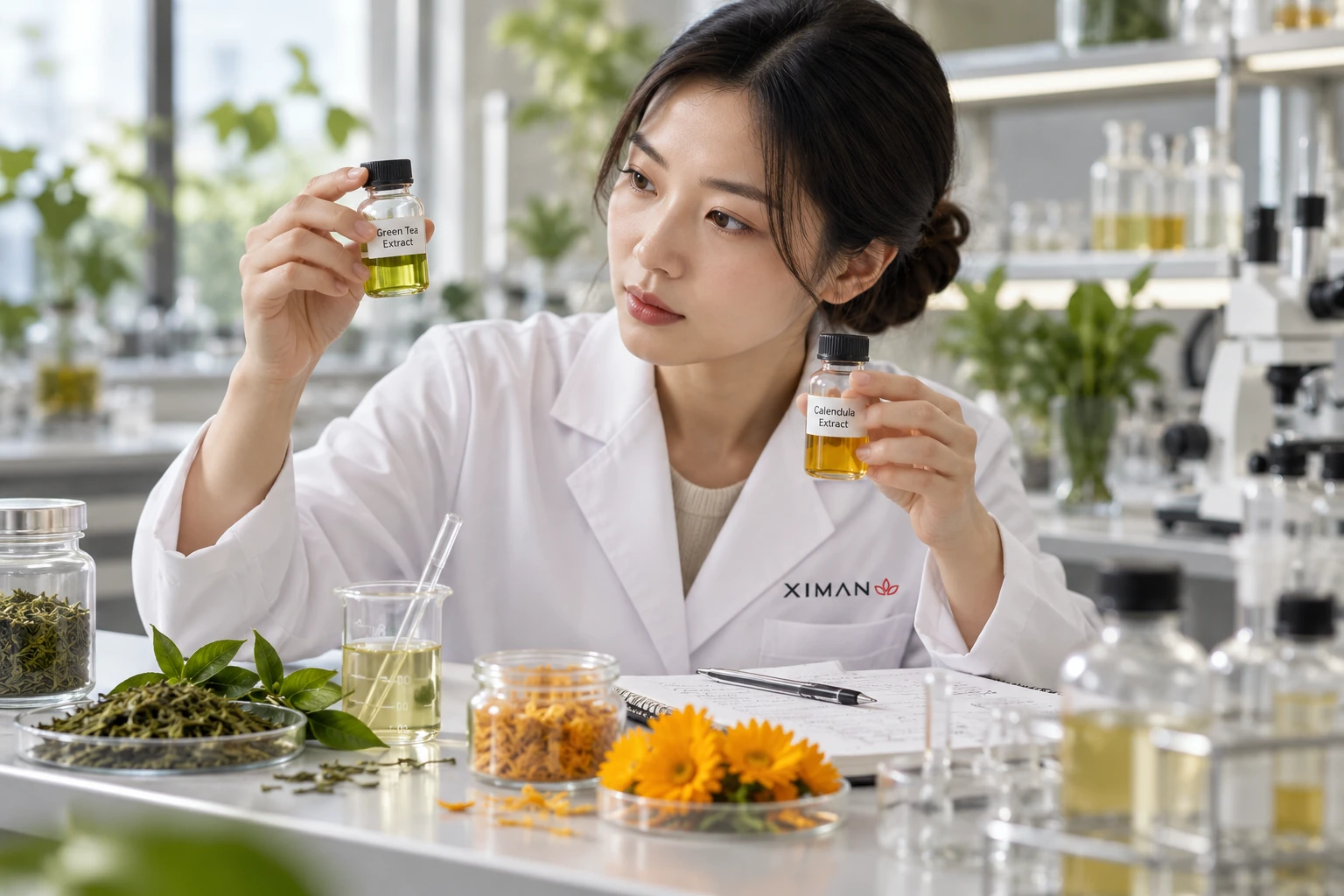
Custom formulation depends on R&D. Ask whether the manufacturer has its own development team and experience in similar categories. Request an explanation of the steps from the initial brief through sampling, stability testing and approval. A formula usually needs several iterations. Existing samples in a similar direction can help you assess texture and fragrance preferences. A clearly explained process makes the cooperation easier to evaluate.
Clarify timing and communication
Custom development often takes several rounds before approval. Ask how long each round is expected to take and whether revisions are limited. A stable project contact helps avoid repeatedly explaining the brief and reduces information loss and unnecessary rework.
Agree formula rights and confidentiality
Agree who holds which rights to the finished formula before development begins, and document the arrangement. Some suppliers may use a formula for several customers; others may agree an exclusive arrangement. A confidentiality agreement can define how both parties protect disclosed information. Clear ownership, use and confidentiality terms reduce uncertainty later.
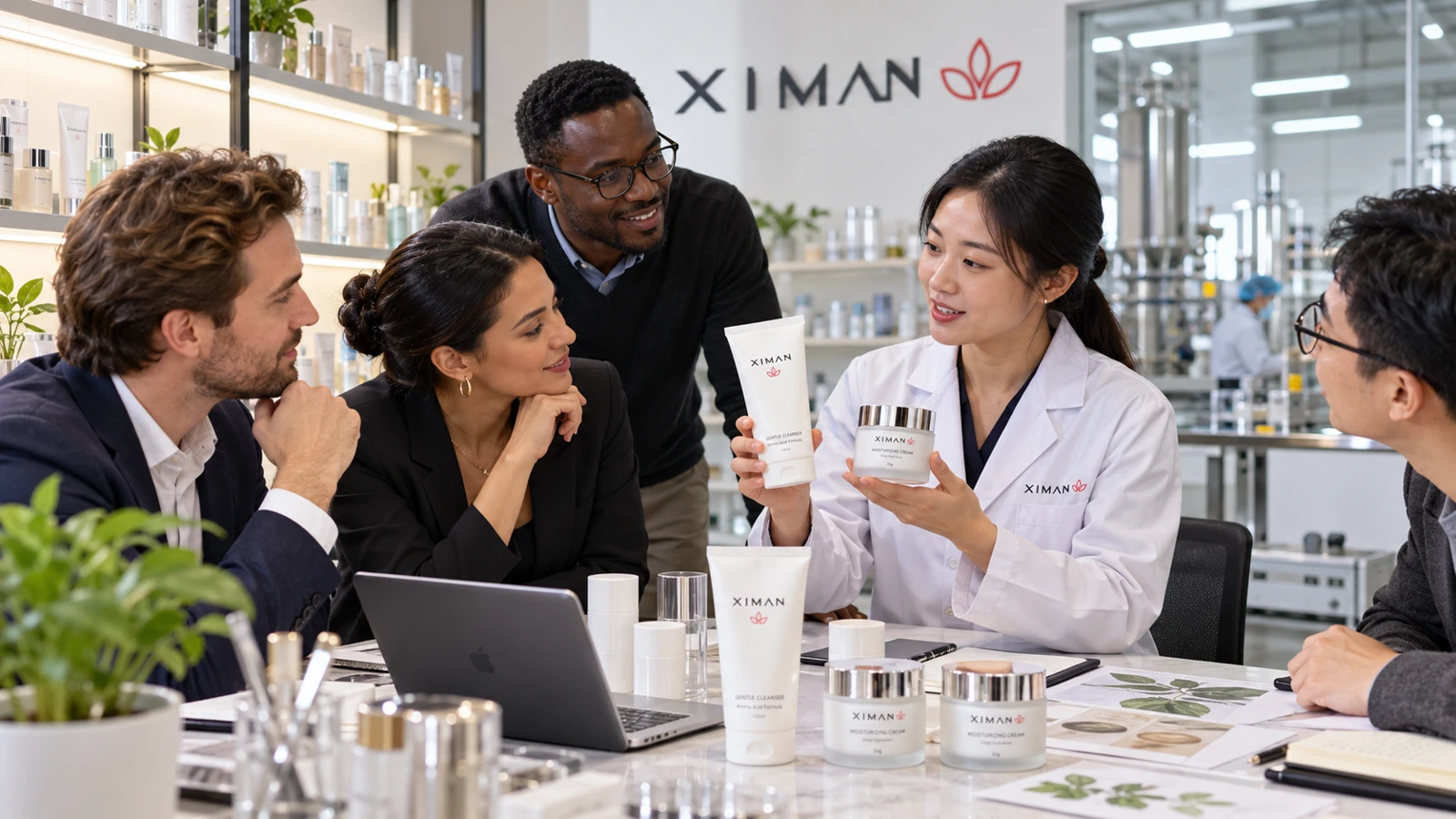
When developing custom formulas, we first record the customer’s desired skin feel, fragrance and intended benefit direction. In our experience, a more specific brief helps the first sample come closer to the target.
Review sampling and testing
Discuss the appropriate stability, microbiological and preservative efficacy testing for the formula. Ask which work is performed in-house and which goes to an independent laboratory. Evaluate sample versions and arrange relevant testing. Temperature and seasonal conditions can affect stability, and longer observation can provide useful evidence. Confirm the sample before committing to commercial production.
R&D judgment: what does custom formulation actually involve?
Define the depth of customization. The term can cover a fragrance or texture adjustment through to a new formula architecture. Identify whether the requested changes concern the ingredient system, skin feel, claims support, fragrance, color, packaging or the full formula.
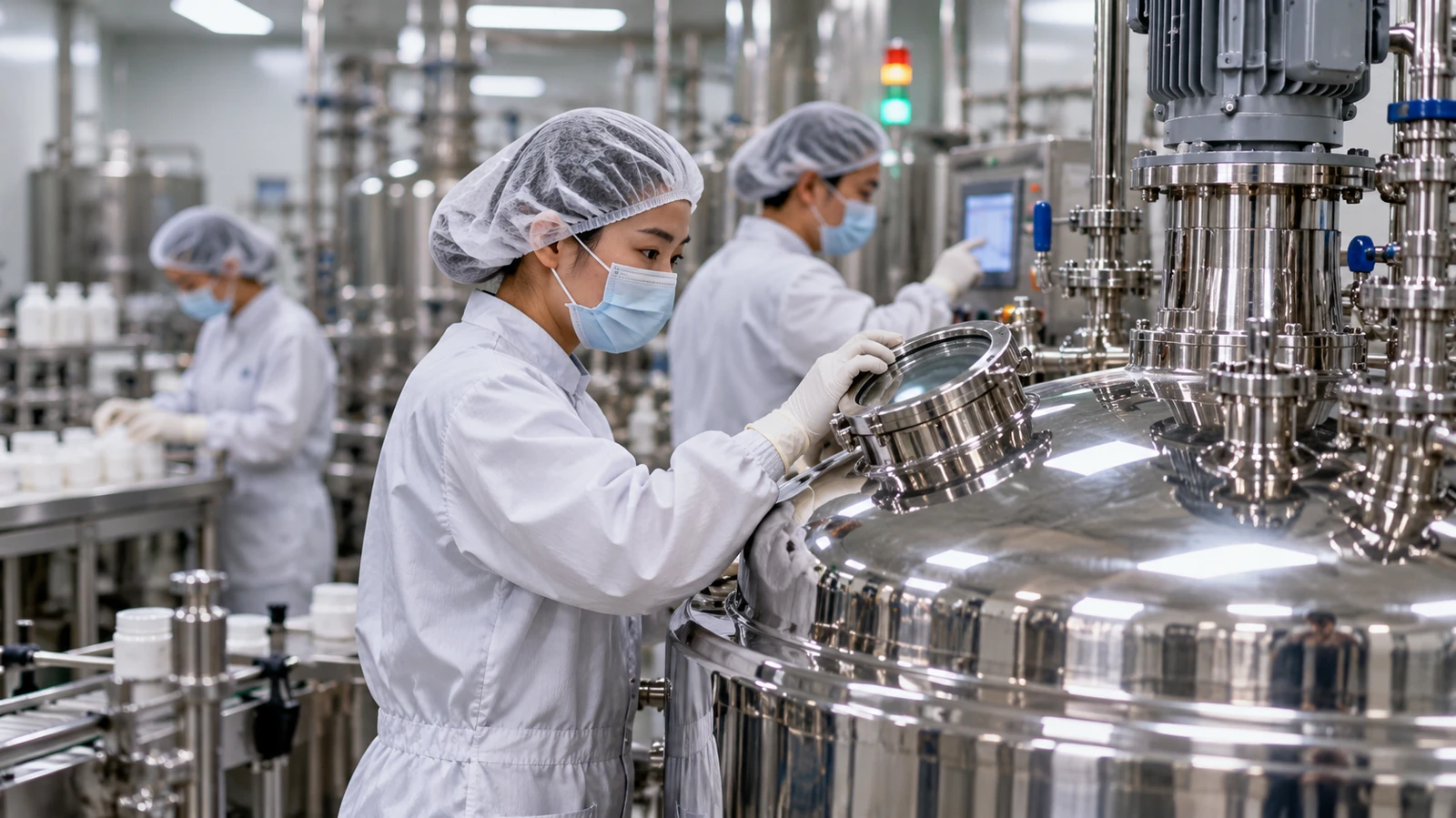
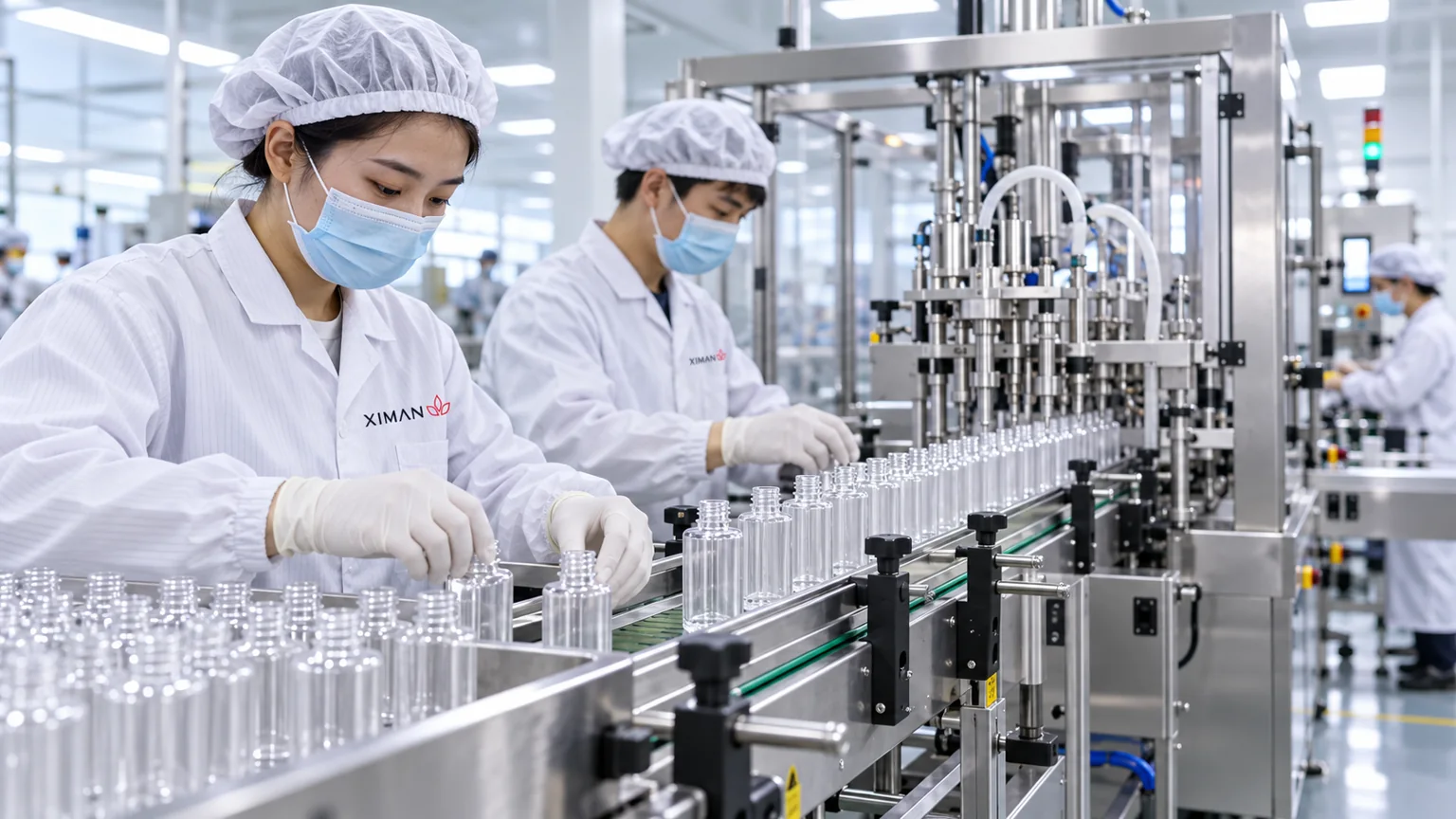
Production consistency is a major challenge. A successful 100-gram laboratory sample does not establish identical performance at a scale of several hundred kilograms. Shear, heating, cooling, addition sequence and equipment differences can affect the result. Scale-up verification belongs in the development plan.
Exclusivity and formula ownership are different. Exclusive use may not transfer full ownership of the formula, and exclusivity may be limited by market, channel or period. Define the scope before agreeing the project.
Custom formulation supplier assessment
| Capability | Question to ask | Useful evidence |
|---|---|---|
| Translating the brief | How will the brand proposition become a technical brief? | Example product requirements or R&D brief |
| Formula development | Will you adapt an existing formula or develop from scratch? | Development approach and sample version records |
| Verification | How will stability, microbiology and packaging compatibility be addressed? | Testing plan and relevant example reports |
| Scale-up | How does the laboratory sample move into commercial production? | Pilot or trial production records and batch standards |
| Information and rights | How are formula information, exclusivity and confidentiality defined? | Relevant agreement terms or confidentiality template |
Overseas buyer FAQs
Is a custom formula always better than an existing formula? No. Custom development suits a clear differentiation need; an established formula can suit a faster launch and lower development uncertainty.
Should confidentiality be agreed before sampling? Where unpublished brand strategy, proprietary formulas or commercial information will be shared, define confidentiality before disclosing the sensitive information.
How can I assess whether the R&D team understands the project? Ask why it proposes a particular formula structure, what the main risks are and how they should be verified. An ingredient list alone does not answer these questions.
Key takeaway
Focus on formulation capability, rights and testing. Prepare a short brief covering the desired skin feel, benefits and audience. Request development proposals from two or three manufacturers and compare the approaches before choosing.
Next step: talk to XIMAN
For a custom skincare formula, send XIMAN your intended audience, core benefit direction, texture, reference products and target market. The discussion can start with formulation feasibility and the development route.
Sources & review date
- XIMAN project preparation and sourcing guidance ↗ · Checked 2026-10-11
Sources and check dates are listed above; applicability depends on the destination market and product conditions.
Discuss your market and product
Share your destination market, product category, project stage and estimated quantity to plan the next step.