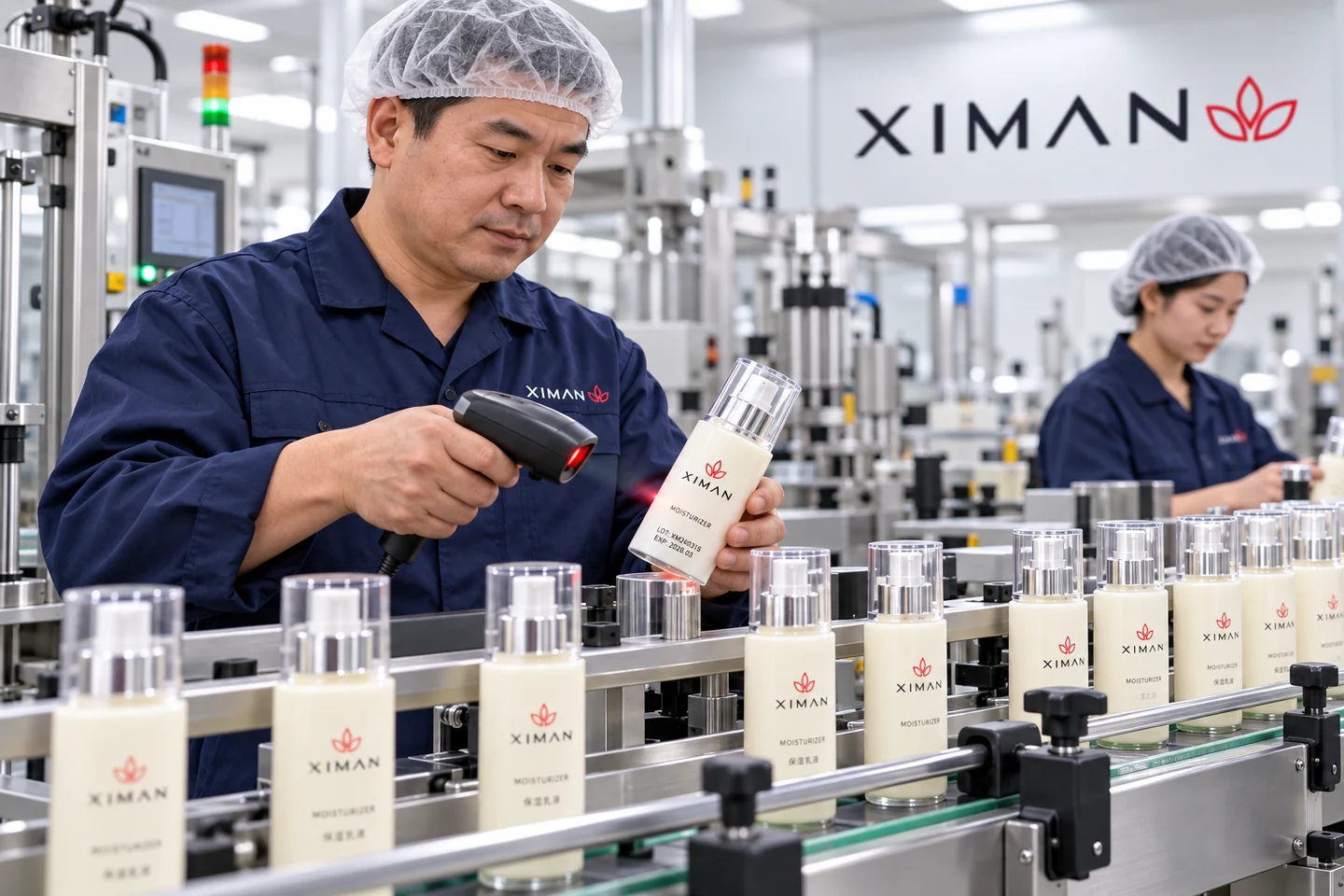
A cold-process concept should be described by its actual operations and quality evidence. Whether it is commercially appropriate depends on the formula, materials, equipment and control plan; the label alone does not establish an energy or cost advantage.
Describe the actual process boundary
List material preparation, mixing, transfers, holding, cleaning and filling when comparing manufacturing routes. Identify any ingredient that arrives as a preprocessed blend and what information the supplier provides. A comparison that ignores upstream work or cleaning may answer a narrower question than the marketing team assumes. State the boundary before considering any claim about resource savings.
Define the controls that demonstrate uniformity
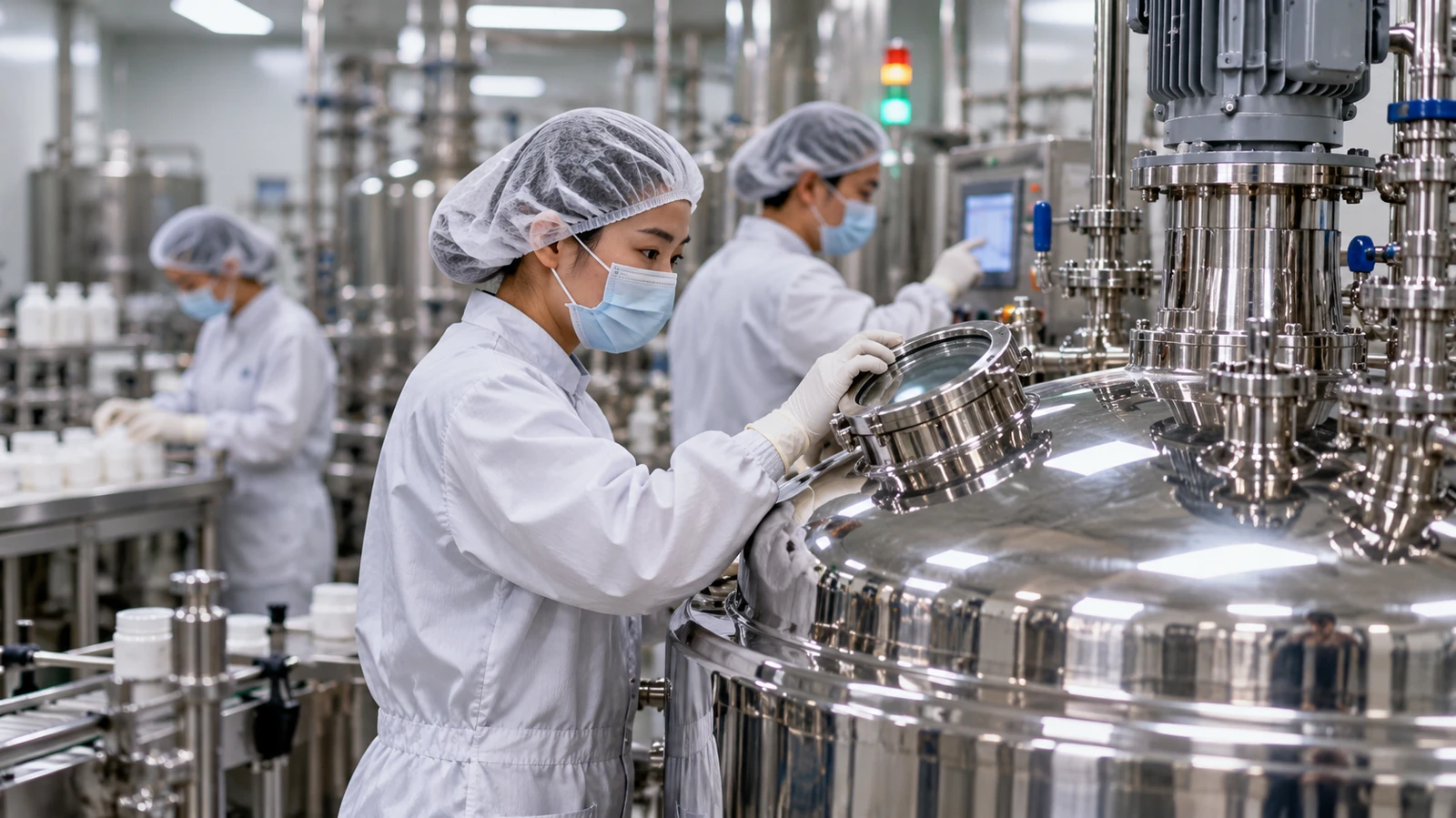
The technical plan should identify material preparation, order of addition, equipment configuration and sampling that can reveal incomplete incorporation. Record the observations used to decide that a batch is ready for the next operation. Review microbiological controls and preservation with the qualified team. Avoid claiming that omission of a heating stage removes the need for a documented quality procedure.
Qualify commercial claims separately
If energy or time savings are proposed, collect comparable measurements from the actual processes and state the baseline. Do not invent a percentage from a laboratory demonstration. Confirm finished-product stability, safety and packaging requirements independently. An OEM discussion should establish which operations and measurements the factory can actually perform, without assuming that the proposed process is already part of its capability.
Compare the complete operating route
A route comparison should include preparation, mixing, holding, transfer and the cleaning operations inside its stated boundary. Record which measurements come from trials and which remain estimates. An apparently shorter laboratory sequence may omit operations required at scale. Separate that uncertainty from any decision about whether the product can be manufactured consistently using the proposed route.
For a savings calculation, compare the same defined output and state the baseline. Do not claim an environmental improvement merely because one stage uses less heat. The whole comparison may include trade-offs in materials, cleaning or other operations. Record what was measured and leave unsupported percentages out of public copy. This does not require a brand to abandon the concept; it requires the claim to follow the evidence.
A purchasing and review record
| Decision point | Record to request | Action before approval |
|---|---|---|
| Boundary | Included operations and baseline | No incomplete savings calculation |
| Uniformity | Process instructions and sampling rationale | Resolve inconsistent incorporation |
| Commercial statement | Comparable measured data | Keep unmeasured savings out of copy |
Frequently asked questions
Does cold processing automatically make a product more sustainable?
No. Any environmental comparison needs a defined boundary and suitable evidence. Processing temperature is only one part of the sourcing, manufacturing, packaging and use system being assessed.
What if the formula works in the laboratory but the factory cannot confirm a key operation?
Keep the process in development. Ask for a scoped trial or revise the route rather than writing the missing capability into a product description or approving a commercial instruction on assumption.
Define the next project decision
Use scale-up planning to identify which cold-process assumptions still need checking at the intended batch size.
Define the intended cosmetic format, destination and outstanding decision in a product stability assessment. Discuss that scope with XIMAN and request confirmation of the information, development work and assessment responsibilities appropriate to the project. A concept diagram or supplier example does not document an actual XIMAN factory trial.
Sources & review date
- ISO 22716 public scope ↗ · Checked 2026-10-28
- FTC Green Guides summary ↗ · Checked 2026-10-28
- EKATO: cosmetic mixing process stages and equipment scope ↗ · Checked 2026-10-28
Sources and check dates are listed above; applicability depends on the destination market and product conditions.
Discuss your market and product
Share your destination market, product category, project stage and estimated quantity to plan the next step.