An ectoin emulsion brief should describe the finished product rather than rely on an ingredient story. The useful purchasing decision is whether a particular material can be incorporated into the proposed formula with documented processing and acceptable product characteristics.
Define the grade and the development question
Obtain the current supplier identity, composition, recommended handling information and relevant safety documentation. State the intended cosmetic format, destination market, target feel and package before comparing samples. A supplier demonstration formula is an example for its specified materials and conditions. It should not be read as a validated manufacturing instruction or a performance result for another manufacturer's cream.
Separate formulation variables
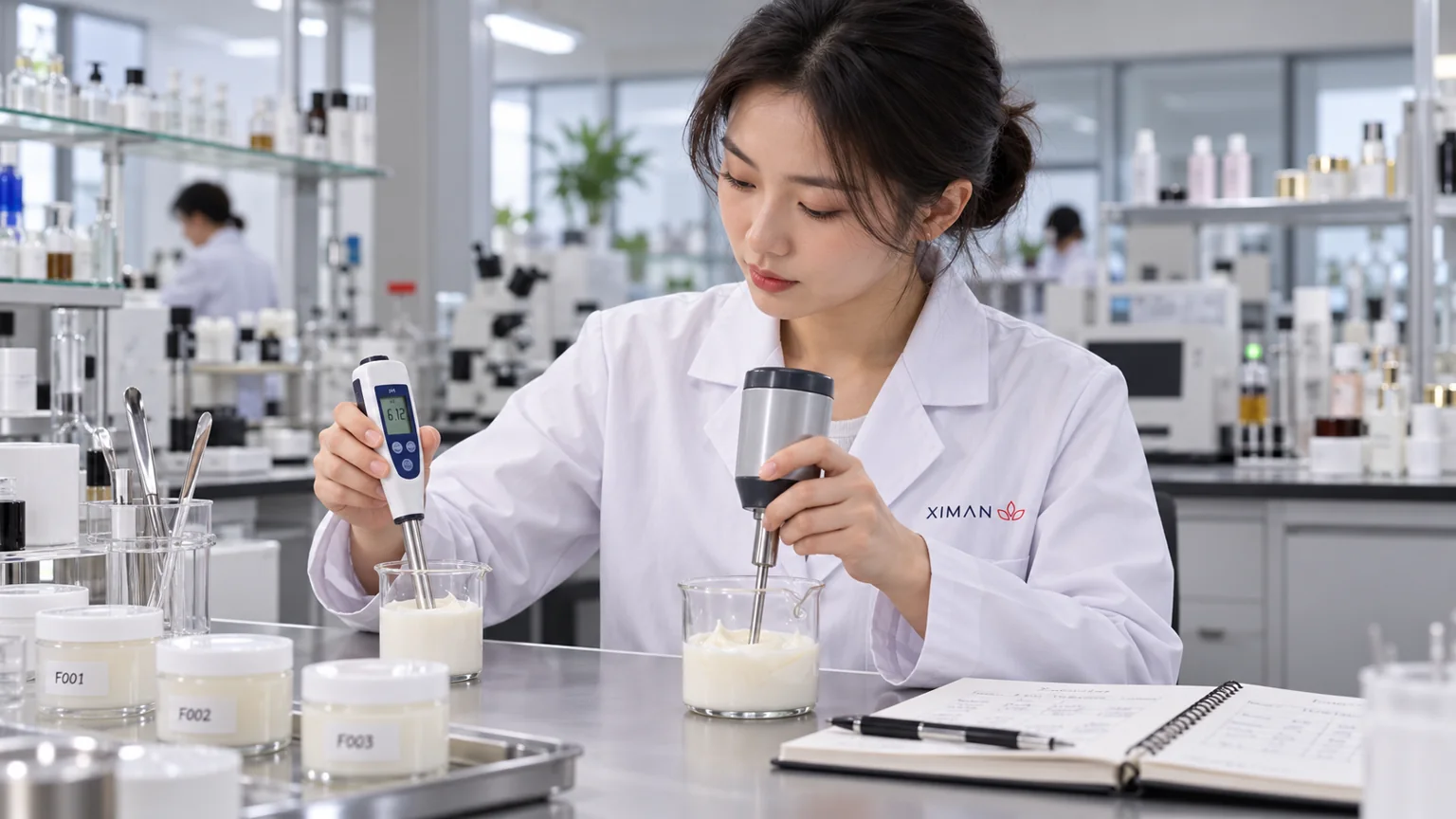
Prepare a comparison plan that identifies the base formula, candidate material and controlled changes. Record the actual addition sequence, solution preparation, mixing and final pH instead of copying a temperature from an unrelated formula. Where electrolytes or other ingredients are changed, give each sample a separate identity. Otherwise an appearance difference cannot reliably be attributed to the ingredient under discussion.
Agree what evidence permits the next step
Compare appearance, uniformity, viscosity under a stated method, pH and package dispensing at agreed intervals. Define who reviews an unexpected result and whether a sample can proceed to the wider stability and safety programme. A short screening exercise answers an early compatibility question; it does not establish shelf life or justify clinical claims. Ask the OEM to confirm the feasible test scope in writing.
Keep supplier examples separate from your evidence
A supplier booklet may show the ingredient in several complete formulations, each with its own process and other components. That variety is a reason to record the whole example, not to select one isolated temperature or claim as universal. The EMD formulation booklet is supplier-authored background; its example results are not test results for a cream commissioned by another brand.
For an early compatibility matrix, define a base control, the candidate grade and the exact intended variable. If pH, electrolyte composition and the emulsifying system all change together, a difference in viscosity cannot be assigned to ectoin alone. A product-development record should show actual observations, repeatability and the next decision. Any ingredient-level performance literature must be reviewed separately before it is used to support a finished-product statement.
A purchasing and review record
| Decision point | Record to request | Action before approval |
|---|---|---|
| Supplier example | Formula date and exact grade | Do not copy its result onto the new product |
| Screen design | Controlled base and identified variables | Repeat an ambiguous comparison |
| Decision record | Measured results and responsible reviewer | Keep screening separate from product approval |
Frequently asked questions
Does an ingredient supplier's formulation booklet prove an OEM cream will perform the same way?
No. It provides a starting reference for a particular example. The actual raw materials, formula, manufacturing process and finished-product assessment must be reviewed for the project being commissioned.
Is a successful bench screen enough to freeze the commercial formula?
It supports the defined screening decision. Confirm the remaining stability, preservation, safety and pack questions before freezing the version, and record who decides that those questions have been answered.
Define the next project decision
Place compatibility screening within emulsion development; selecting an ingredient does not approve the complete cream or lotion.
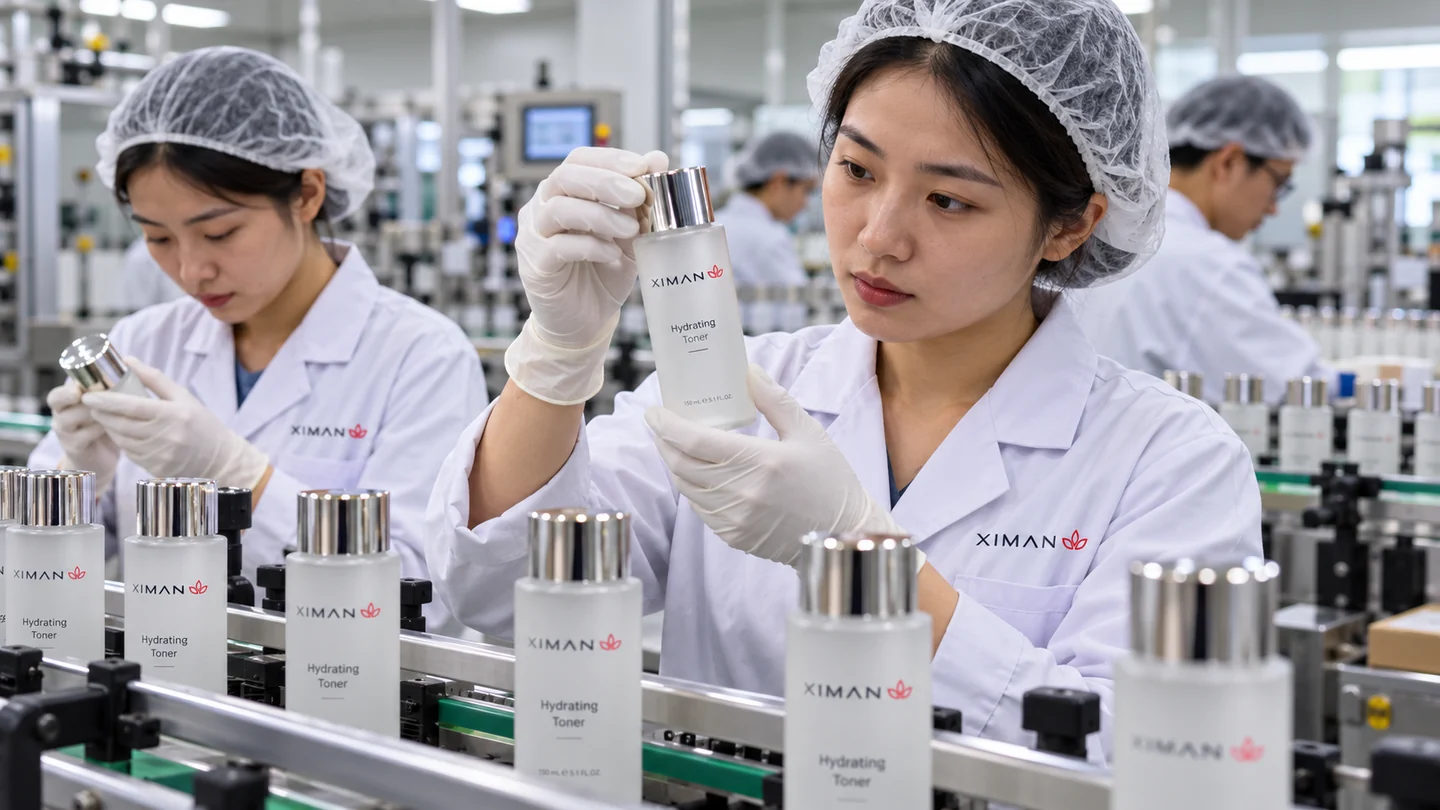
Define the intended cosmetic format, destination and outstanding decision in a formulation brief. Discuss that scope with XIMAN and request confirmation of the information, development work and assessment responsibilities appropriate to the project. A concept diagram or supplier example does not document an actual XIMAN factory trial.
Sources & review date
- EMD / Merck ectoin formulation examples ↗ · Checked 2026-10-28
Sources and check dates are listed above; applicability depends on the destination market and product conditions.
Discuss your market and product
Share your destination market, product category, project stage and estimated quantity to plan the next step.