A smaller product range can be a business choice without being a claim about a market-wide trend. For an OEM project, the first task is to define what each proposed SKU contributes and what evidence would show that it meets the brief.
Give every SKU a distinct job
Describe the intended cosmetic use, user routine, texture and dispensing format for each product. Identify where two briefs overlap before requesting separate samples. A shared ingredient story is not a sufficient reason to create several nearly identical products. Ask the brand team to explain the decision a customer should be able to make between them using clear, supportable product information.
Convert preferences into comparisons
Replace broad words such as premium or lightweight with an agreed comparison: spread, residue, drying impression, dispensing amount or compatibility with a specified routine. Keep these proposed sensory comparisons separate from safety and efficacy assessments. Record the sample conditions and the decision maker. This helps the formulation team distinguish an actual technical requirement from a preference that has not yet been defined.
Connect range size to operational choices
Map each proposed SKU to its formula, packaging components, artwork and anticipated reorder pattern. Ask for a written explanation of what can genuinely be shared and what needs independent verification. Do not assume fewer products automatically mean lower total cost. Compare development work, component commitments and quality requirements before deciding which products should proceed and which should remain optional concepts.
Use a product-role matrix instead of duplicate briefs
Create a matrix with one row per proposed SKU and columns for intended use, application step, sensory reference, package and purchase reason. If two rows contain the same answers, ask what meaningful decision distinguishes them. A revised role or a combined brief may be more useful than requesting almost identical samples under different marketing names. This is a portfolio exercise, not evidence that one range size is best for every brand.
At the quotation stage, separate shared development work from commitments that remain independent. A shared base may reduce one set of development questions while different fragrances, claims or packs introduce others. Ask for a cost breakdown that identifies the assumptions and minimum commitments for each configuration. Compare the complete saleable SKU, including component and verification requirements, rather than assuming the formula's similarity makes the launch requirements identical.
A purchasing and review record
| Decision point | Record to request | Action before approval |
|---|---|---|
| Product role | Distinct use and customer choice | Merge overlapping briefs before sampling |
| Sample decision | Defined comparison criteria | Avoid approval based only on adjectives |
| Operational scope | Formula, packaging and reorder map | Confirm actual sharing and separate costs |
Frequently asked questions
Does a smaller range necessarily lower launch risk?
Not automatically. It reduces some decisions but can concentrate commercial expectations in fewer products. A brand still needs suitable safety, packaging, sourcing and quality evidence for every product it chooses to launch.
How can a brand decide which concept to defer?
Compare the distinct customer need, available evidence, development uncertainties and component commitment for each concept. Record why an optional product is deferred so it is not later revived as if it had already passed the original review.
Define the next project decision
Use cream range planning to distinguish a deliberate product role from another variation of the same brief.
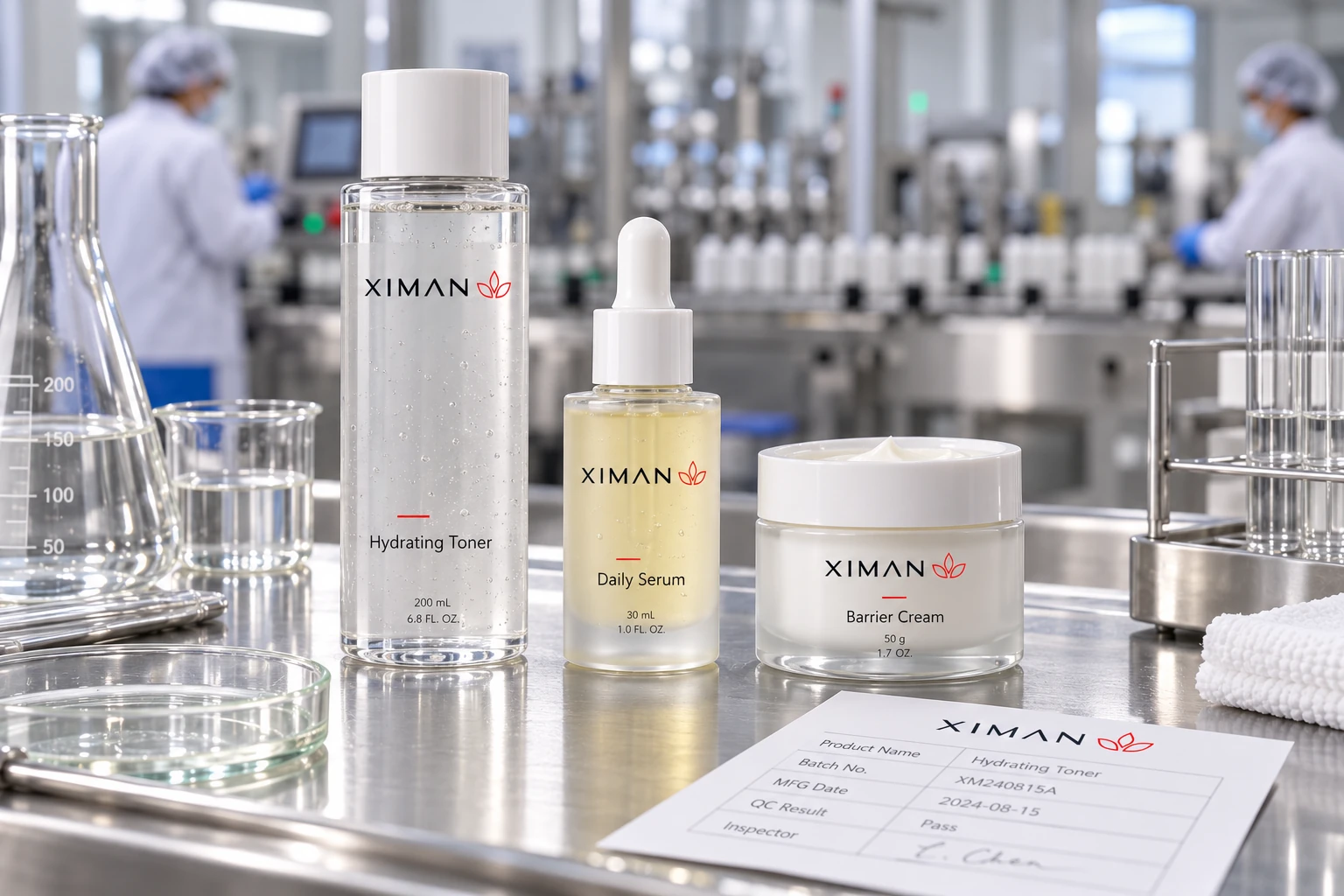
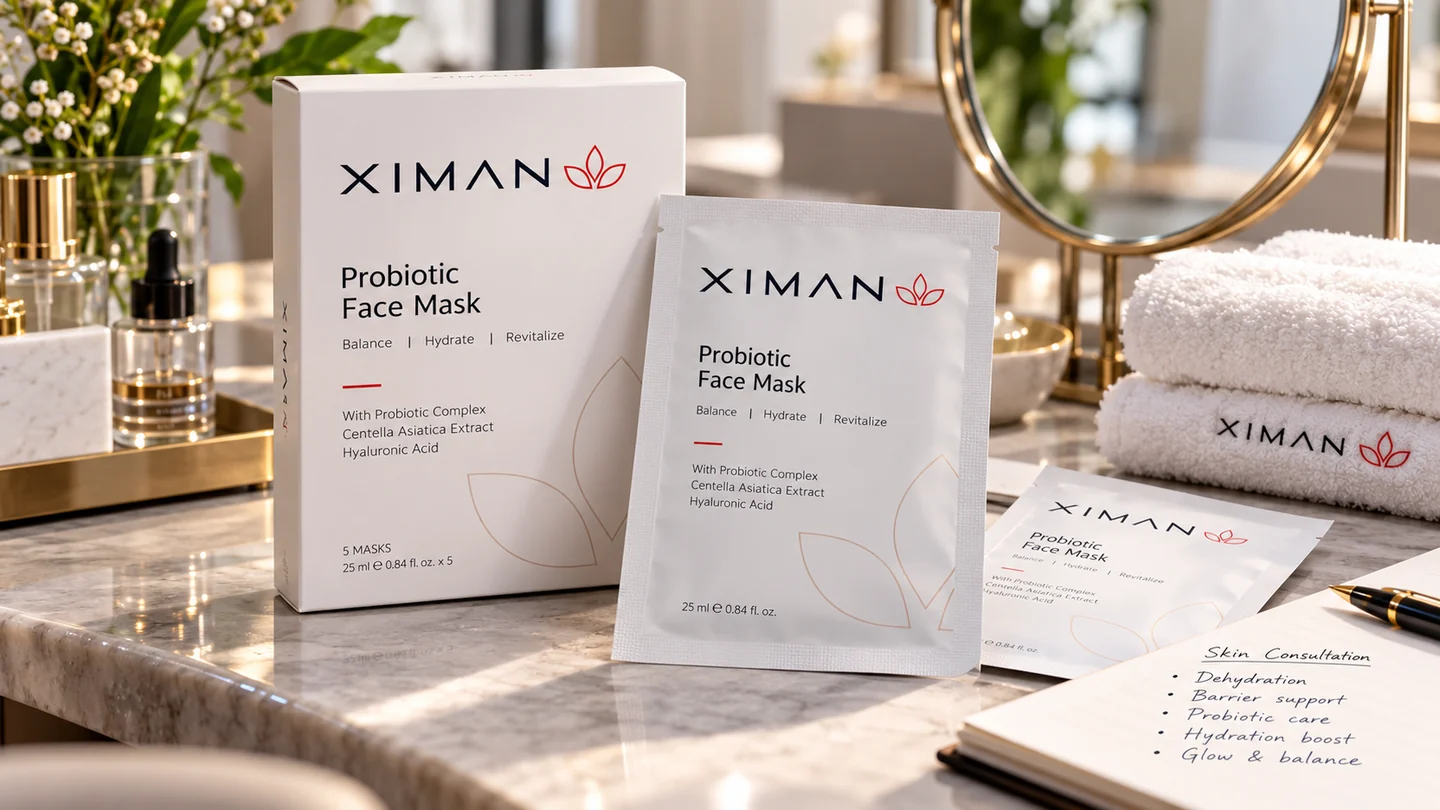
Define the intended cosmetic format, destination and outstanding decision in a formulation brief. Discuss that scope with XIMAN and request confirmation of the information, development work and assessment responsibilities appropriate to the project. A concept diagram or supplier example does not document an actual XIMAN factory trial.
Sources & review date
- FDA: product testing and the scope of cosmetic safety evidence ↗ · Checked 2026-10-28
Sources and check dates are listed above; applicability depends on the destination market and product conditions.
Discuss your market and product
Share your destination market, product category, project stage and estimated quantity to plan the next step.